Inheriting research & development background since 1975, SolarBK is proud to be a pioneer in laying the groundwork for clean energy industry in Vietnam and is now a leading company in this field.
To carry out the mission of applying clean energy into everyday life, we have researched and developed many solutions to make Solar power energy more diverse, convenient and cheaper.
SolarBK at the VCCI Forum: Energy Transition – A Driver of Vietnamese Businesses’ Competitiveness
Publish date 26/11/2026
Share
As sustainability standards reshape global supply chains, energy is increasingly becoming an integral component of business competitiveness. For Vietnam, the challenge lies not only in ensuring energy security but also in transforming energy resources into long-term economic, industrial and technological advantages.
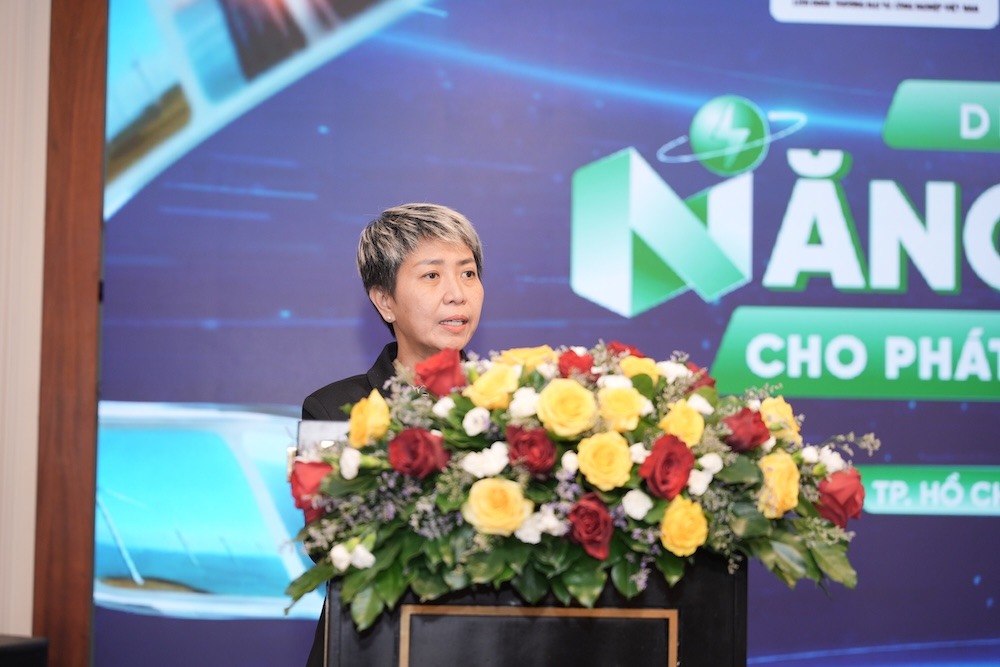
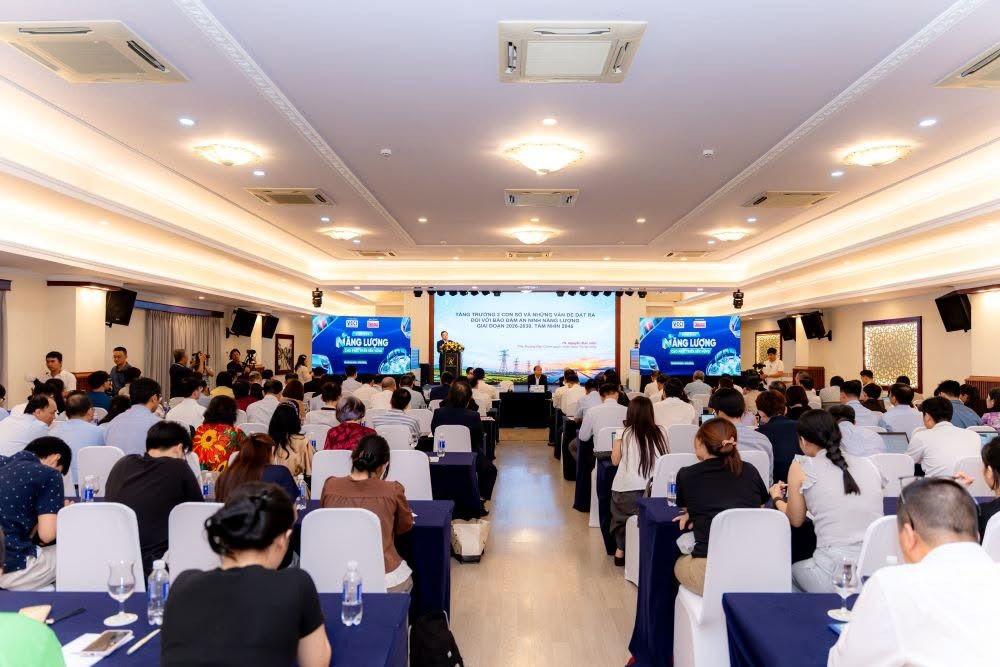
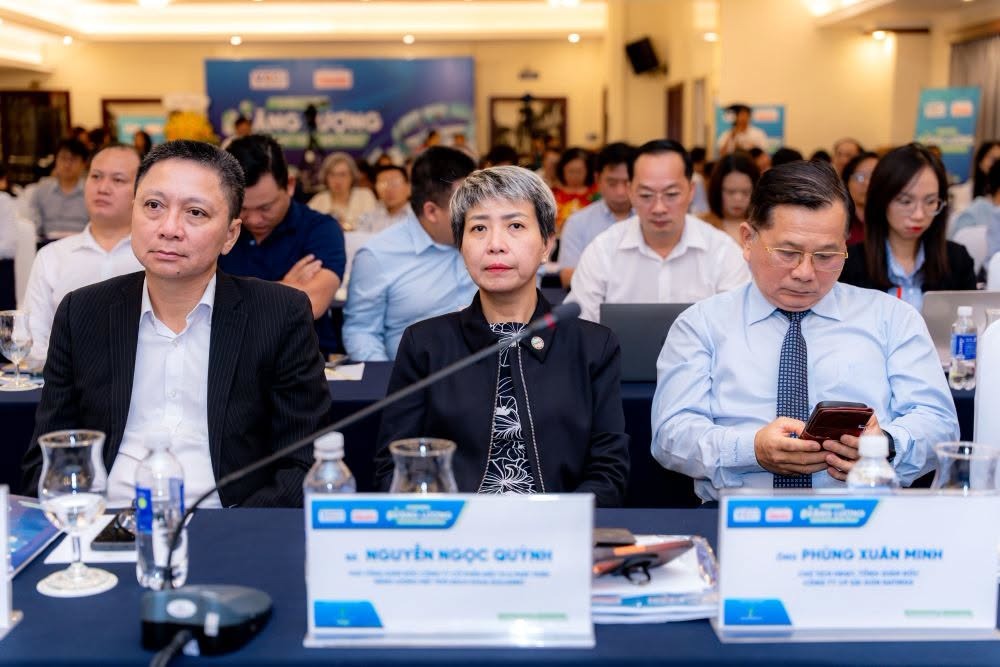
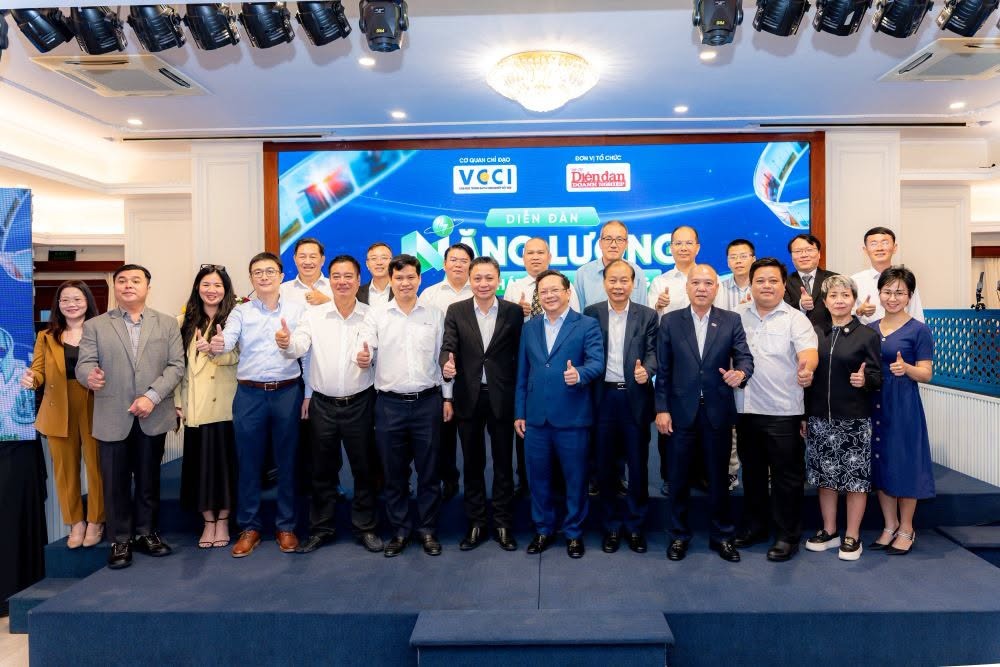
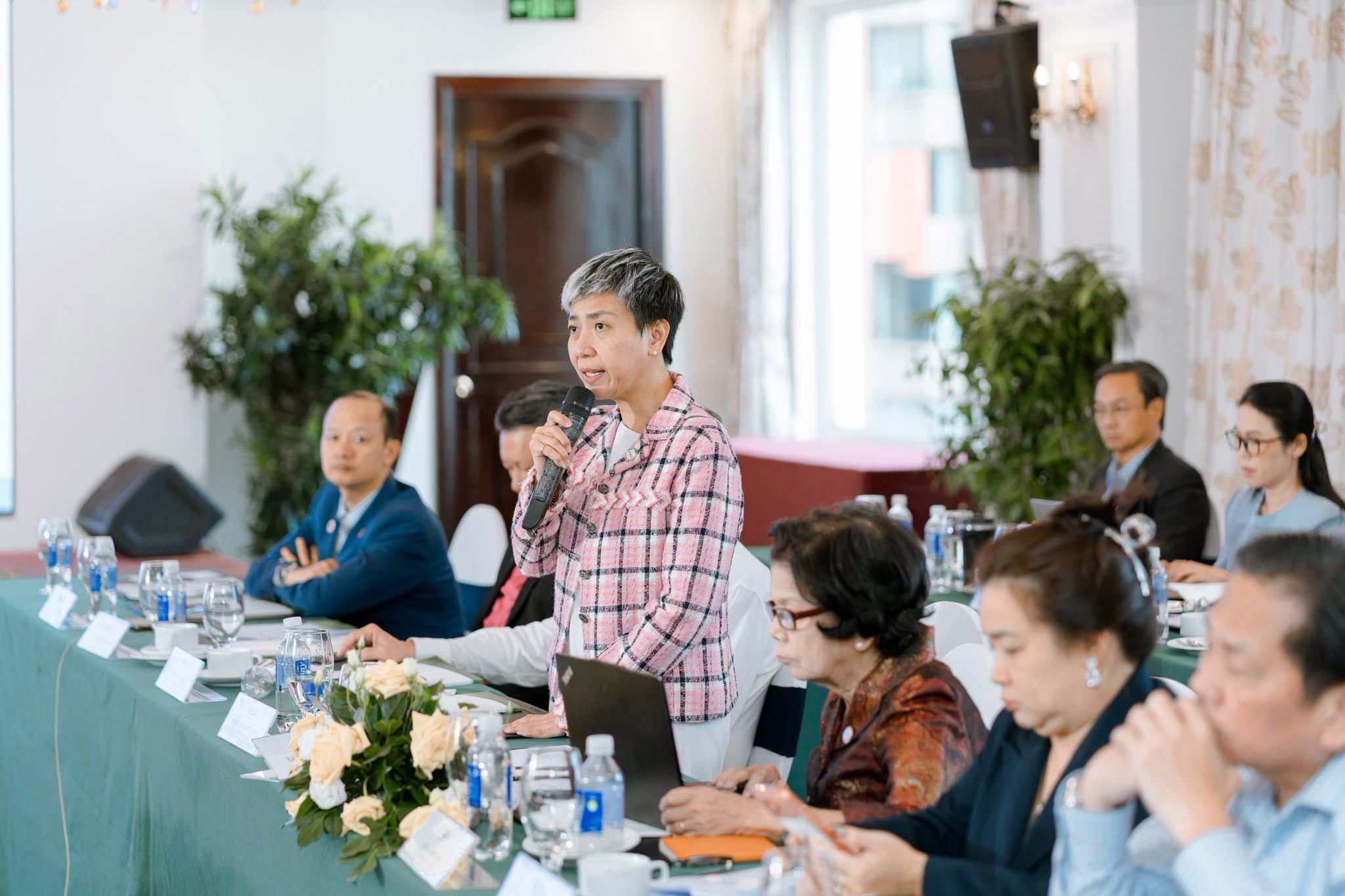
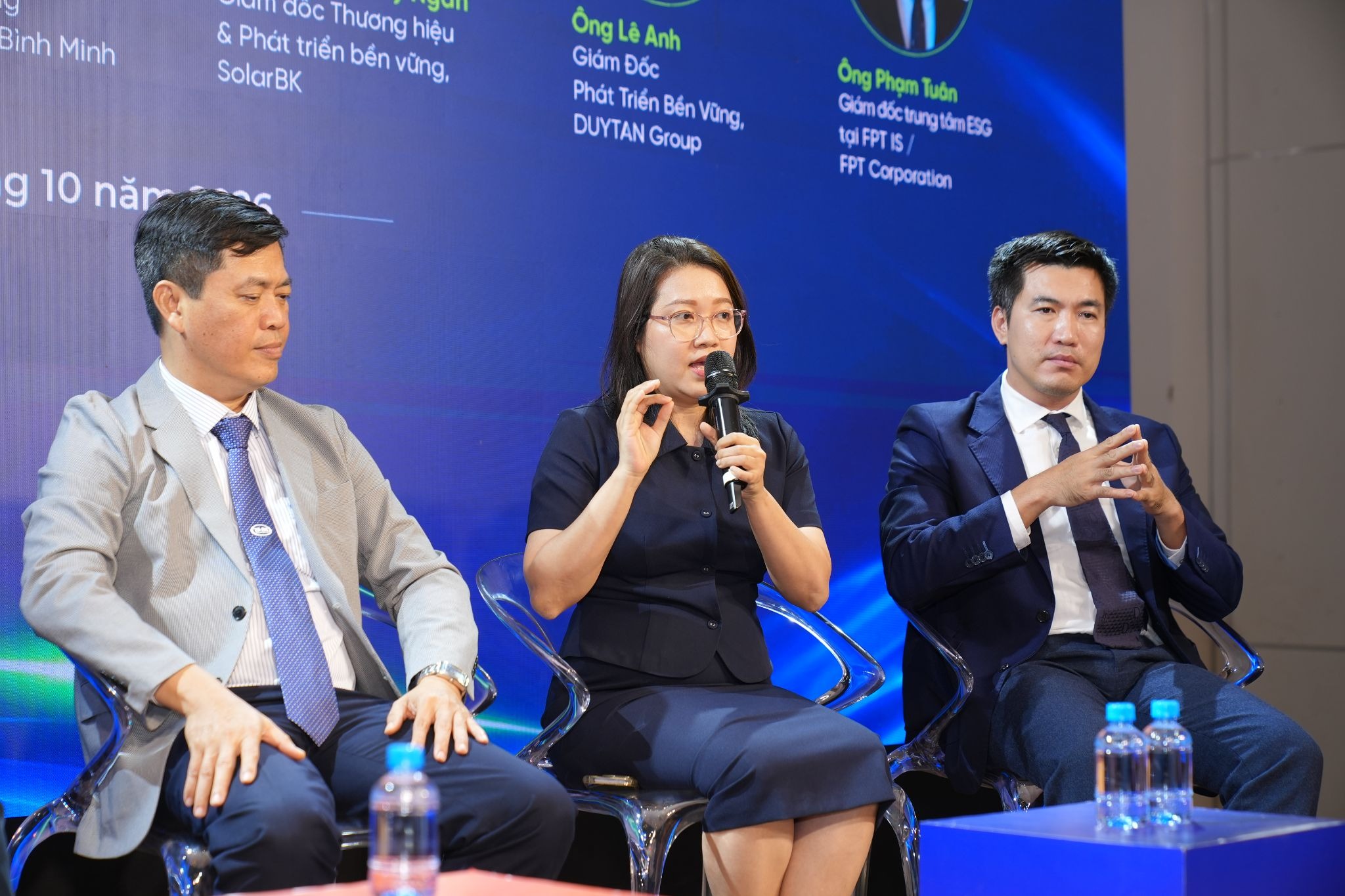
On the afternoon of November 19, 2026, at the “Energy for Sustainable Development” Forum, organized by Business Forum Magazine under the direction of the Vietnam Chamber of Commerce and Industry (VCCI), Ms. Nguyen Ngoc Quynh, Deputy General Director of SolarBK, representing SolarBK and the Renewable Energy Committee of HGBA, shared insights and recommendations drawn from two decades of experience in developing the renewable energy market.
Ms. Nguyen Ngoc Quynh, SolarBK Deputy General Director, shared 20 years of renewable energy market insights on behalf of SolarBK and HGBA.
In her presentation, “From Energy Security to Business Competitiveness,” the SolarBK representative raised a strategic question: How can national energy strategies be effectively translated into drivers of growth at the enterprise level?
Unlocking Investment Through Policy Reform
Amid increasingly stringent requirements for emissions reduction and clean energy adoption, access to green electricity is becoming an important factor influencing businesses’ ability to retain orders, expand into new markets and attract investment.
Distributed solar power, particularly at manufacturing facilities and industrial parks, offers businesses an opportunity to participate directly in the energy transition while taking greater control of their emissions reduction commitments.
However, the gap between policy direction and practical project implementation remains a challenge. Administrative procedures involving multiple authorities, inconsistent implementation and difficulties in forecasting costs under the Direct Power Purchase Agreement (DPPA) mechanism may affect the feasibility of long-term investment decisions.
At the forum, SolarBK recommended standardizing project approval procedures, designating clear points of contact and establishing consistent processing timelines; improving transparency in DPPA cost calculation methodologies; and clearly defining responsibilities for implementing support policies at the local level.
At the forum, SolarBK called for standardized project procedures, focal points and timelines, transparent DPPA cost calculations, and clearer responsibilities for implementing local support policies
For energy projects with lifespans spanning several decades, policy stability and predictability are no less important than financial incentives. These factors provide a foundation for businesses and financial institutions to assess risks, strengthen investor confidence and effectively mobilize capital from across the economy.
Institutional reform, therefore, is not merely about addressing obstacles faced by individual projects. It also lays the groundwork for a transparent, efficient energy market capable of attracting long-term investment.
Strengthening Energy Resilience at the Point of Consumption
National energy security can be strengthened by enhancing individual businesses’ ability to take greater control of their electricity supply.
The integration of distributed solar power with battery energy storage systems (BESS) is enabling a more flexible approach to energy management. Businesses can generate and store electricity, manage electrical loads and optimize the timing of energy consumption according to their specific operational requirements.
On a broader scale, distributed energy resources combined with storage, when properly integrated and operated, can help alleviate pressure on the national power system and improve its ability to adapt to fluctuations in energy demand.
However, rapid market expansion must go hand in hand with the quality of growth. Inconsistent equipment quality, unverified technical specifications and end-of-life environmental challenges are issues that need to be addressed at an early stage.
SolarBK called for standardized connectivity and data management, while supporting Vietnamese businesses in researching, testing and commercializing energy technologies
Drawing on its manufacturing and project implementation experience, SolarBK proposed establishing mandatory technical and quality standards, strengthening post-market surveillance for photovoltaic (PV) modules and BESS, and improving collection and recycling mechanisms that clearly define the responsibilities of manufacturers and importers.
These measures are essential to safeguarding investment performance, strengthening market confidence and ensuring that today's economic benefits do not become tomorrow's environmental costs.
Mastering Technology and Creating Greater Value for Vietnam in the Emerging Energy Value Chain
One of the long-term issues highlighted by SolarBK at the forum was Vietnam’s position in the emerging energy value chain.
As digitalization becomes increasingly integral to the energy sector, value creation extends beyond equipment and installed capacity to encompass system integration, data management, forecasting and operational coordination capabilities.
Fragmented connectivity standards, limited equipment interoperability and reliance on external technology platforms underscore the need for coordinated development across energy infrastructure, domestic industrial manufacturing capabilities and technology infrastructure.
SolarBK recommended promoting standardized connectivity and data governance while creating favorable conditions for Vietnamese enterprises to research, test and commercialize energy technology solutions.
SolarBK supports businesses in developing tailored energy transition roadmaps, optimizing investment efficiency and strengthening long-term competitiveness
This is also the strategic direction SolarBK has consistently pursued over the past two decades. From energy projects serving offshore and island communities and industrial-scale solar power projects to IREX’s annual photovoltaic module manufacturing capacity of 350 MWp and the ERIS energy management platform developed by Vietnamese engineers, SolarBK has established end-to-end capabilities spanning research, manufacturing, project implementation and energy system management.
The integration of these capabilities provides a foundation for SolarBK to develop solutions tailored to businesses’ operational needs while contributing to policy dialogue and refinement through its hands-on experience across multiple segments of the energy value chain.
For SolarBK, the success of the energy transition should be measured not only by the megawatts of clean energy capacity added, but also by the depth of industrial capabilities, the level of technological sophistication and the economic value created domestically.
Vietnam’s sustainable competitive advantage lies not only in its access to clean energy, but also in its ability to master technology and create value through its own capabilities.
Turning Energy Strategy into Business Advantage
Every business has distinct production requirements, energy needs and sustainability objectives. Through an integrated ecosystem of solutions spanning solar power, energy storage and intelligent energy management, SolarBK partners with businesses to develop tailored energy transition roadmaps, optimize investment performance and strengthen long-term competitiveness.
Connect with SolarBK’s experts to develop an energy solution tailored to your business.