Publish date 18/10/2026


As decarbonization requirements become increasingly embedded in global supply chains, energy is no longer simply an operating expense for manufacturers. It is a strategic consideration affecting capital efficiency, customer expectations, and long-term business competitiveness. The challenge is not merely to invest in clean energy, but to select solutions that deliver measurable value for each facility.
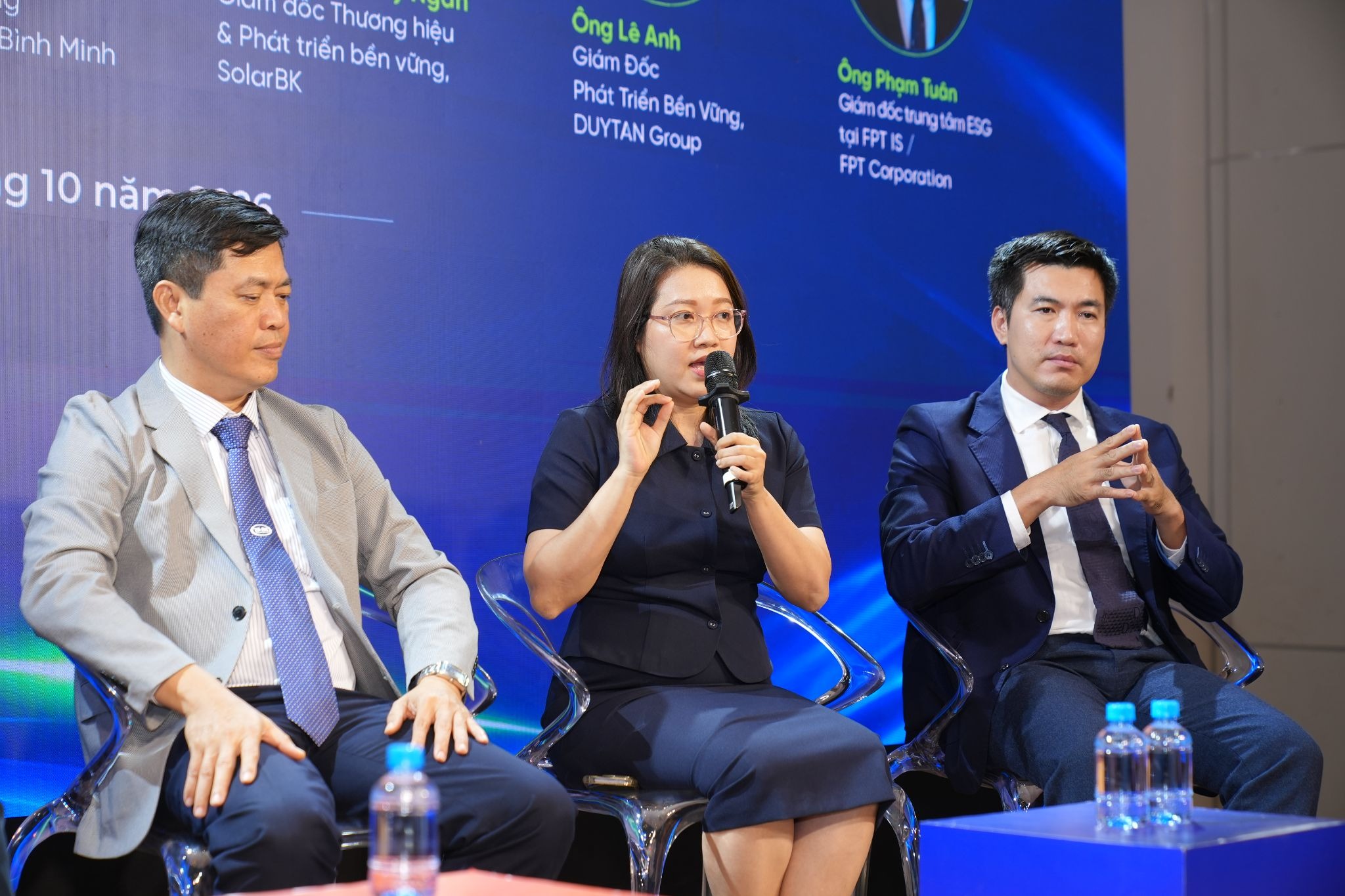
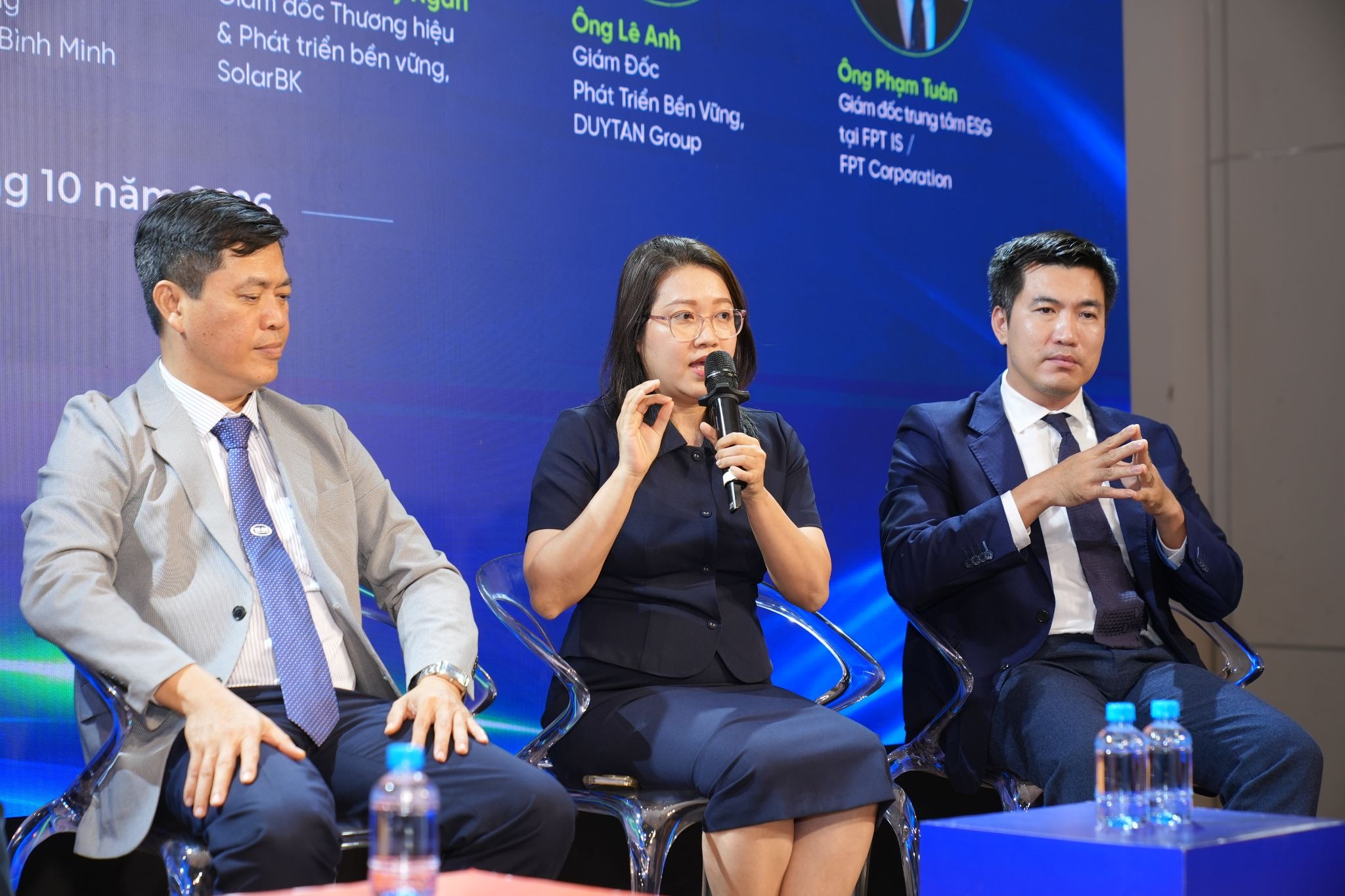
Speaking on VOH's Green City program, Ms. Nguyen Thuy Ngan, Director of Brand & Sustainability at SolarBK, emphasized that energy independence does not necessarily mean generating 100% of a company's electricity or operating entirely off-grid. Instead, it means progressively reducing exposure to energy-related costs, carbon emissions, operational continuity risks, and evolving customer sustainability requirements.
Energy Independence: Beyond Electricity Generation to Risk Management
For manufacturers, energy management is becoming increasingly connected to business competitiveness. Electricity price fluctuations, carbon footprint requirements, and sustainability standards set by international customers are reshaping operational priorities.
Delaying the energy transition may expose businesses to financial and market risks. However, adopting clean energy does not necessarily mean installing the largest possible solar system.
Every manufacturing facility has a distinct load profile, financial capacity, and operational priorities. A factory operating primarily during daylight hours has different requirements from one running multiple shifts around the clock.
Investment decisions should therefore be based on actual electricity consumption, demand patterns, and the facility's ability to utilize the energy generated.
Energy independence should not be confused with guaranteed power supply during grid outages. Backup power capabilities require separate technical assessments and appropriately designed systems.
The real value of energy independence lies in gaining greater control over the factors affecting production, rather than simply increasing on-site generation capacity.
ESCO and BESS: Investing According to Real Operational Needs
One of the most significant barriers to the clean energy transition is upfront capital expenditure. Manufacturers must balance energy investments against production expansion, equipment upgrades, and working capital requirements.
The Energy Service Company (ESCO) model offers an alternative approach. Depending on the contractual structure, businesses may access clean energy without directly funding the full initial investment. Investment responsibilities, operations, payment mechanisms, and risk allocation must be clearly established between the parties.
Technology selection is equally important. For Battery Energy Storage Systems (BESS), the key considerations are the facility's load profile and operational objectives, rather than technology trends alone.
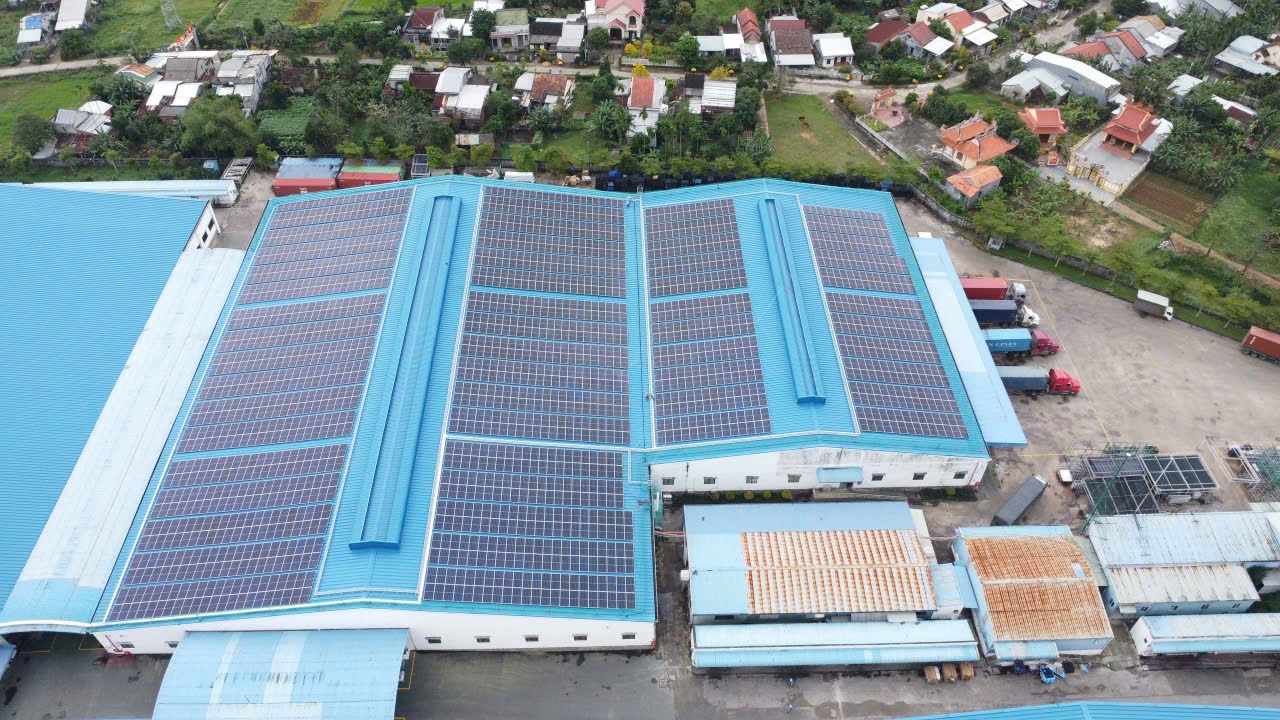
If solar electricity can be efficiently consumed as it is generated, additional storage may not be necessary. Conversely, when generation and consumption patterns do not align, BESS may offer value, subject to technical and financial assessment.
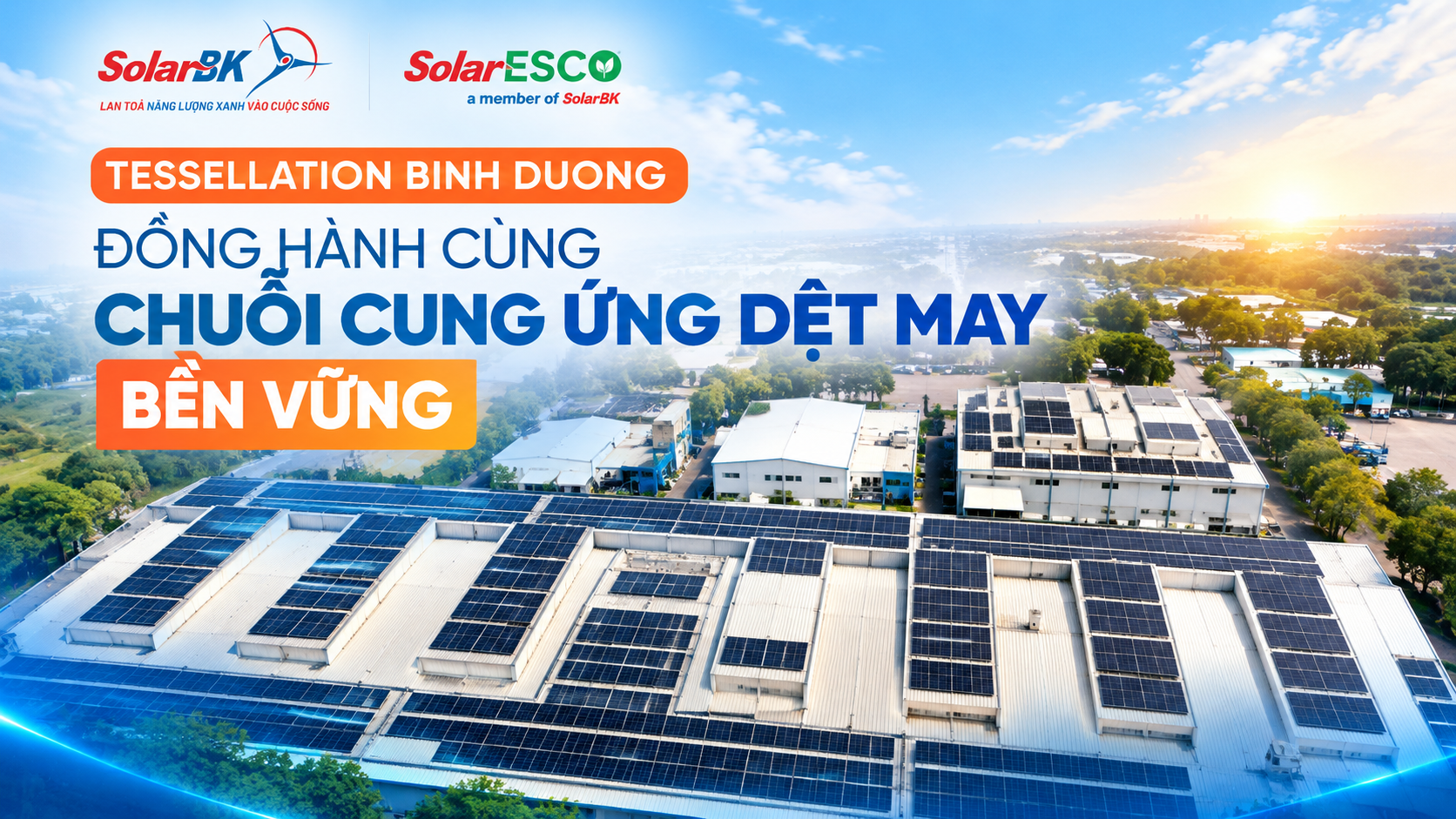
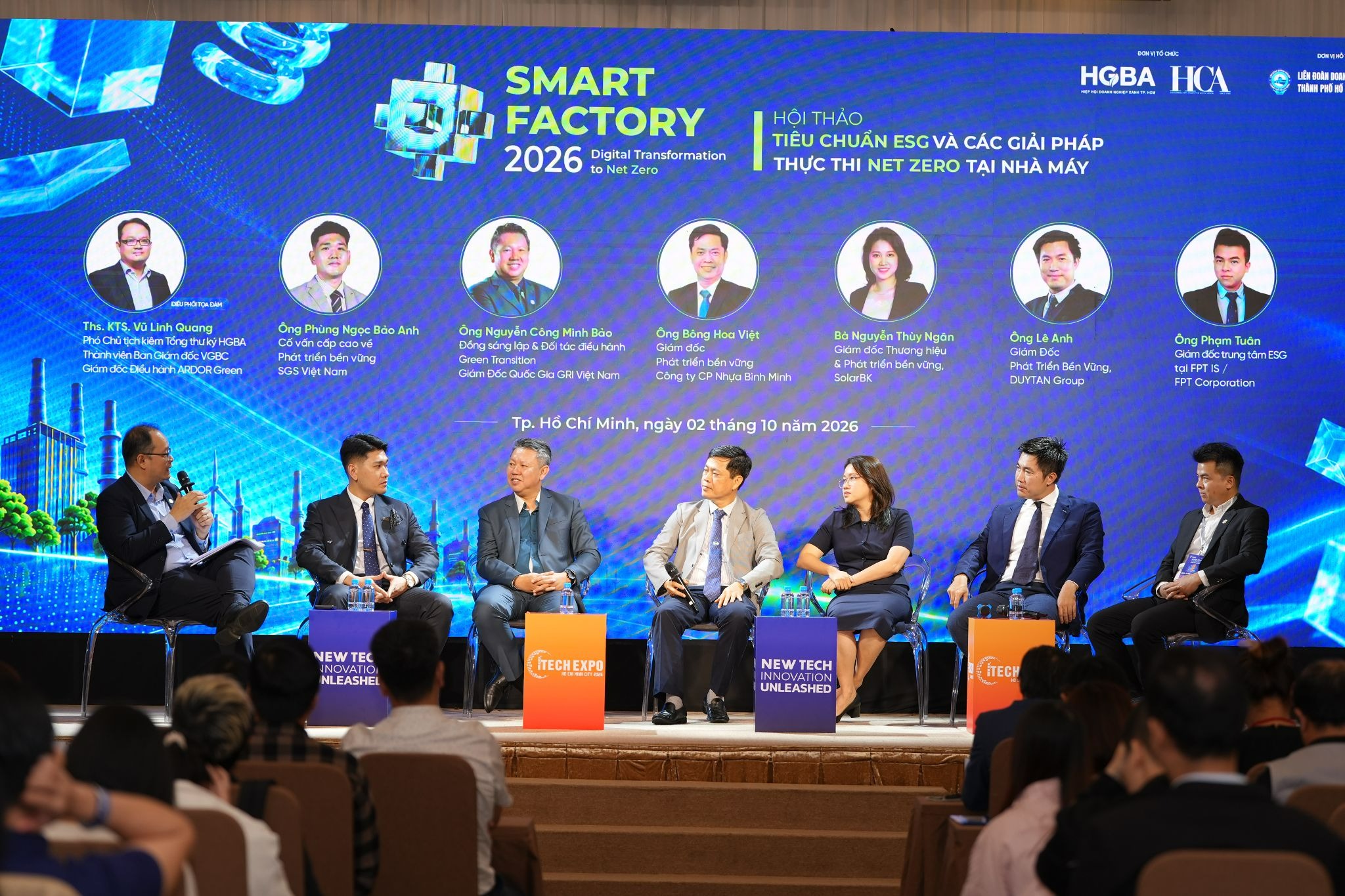
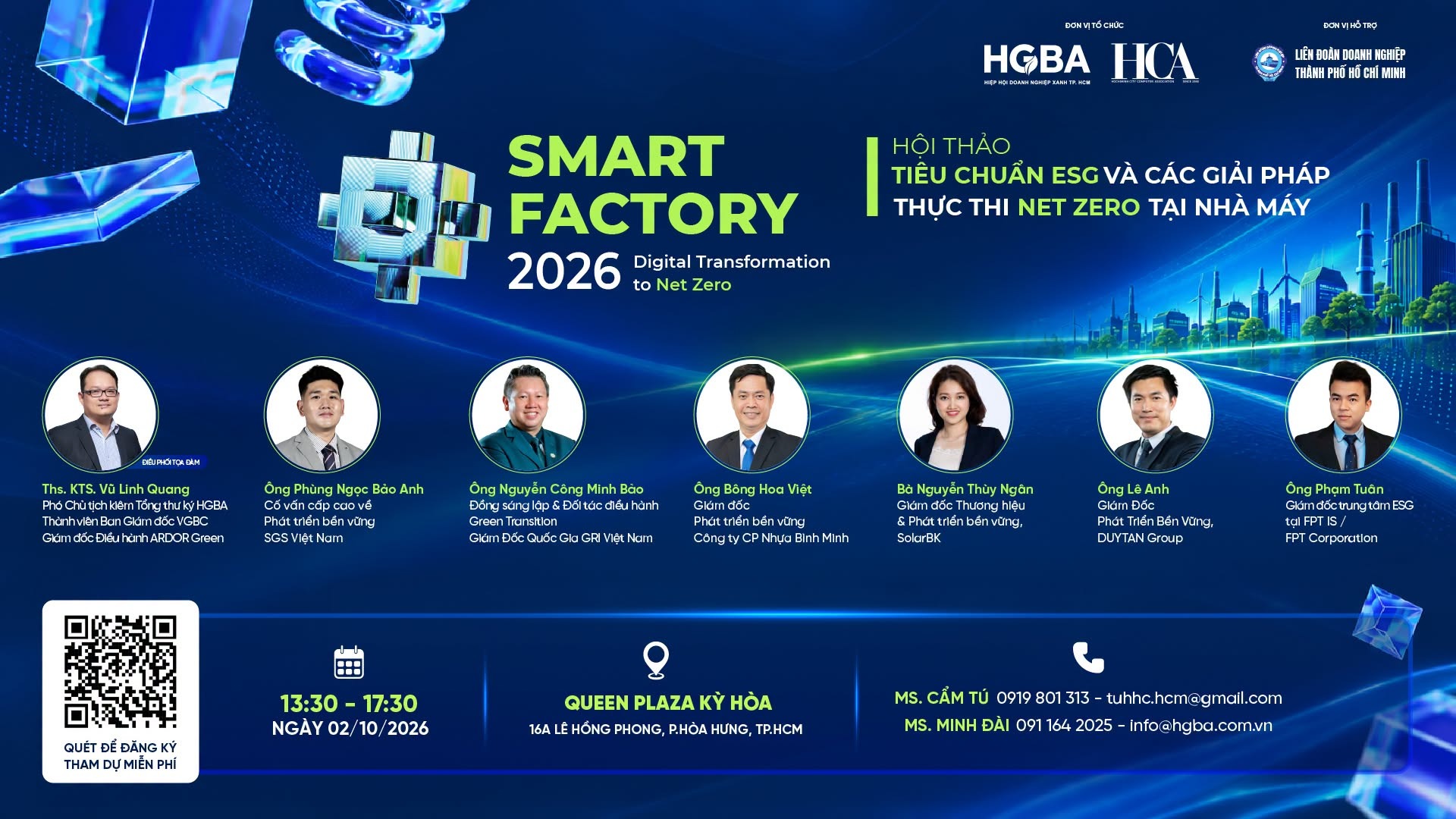
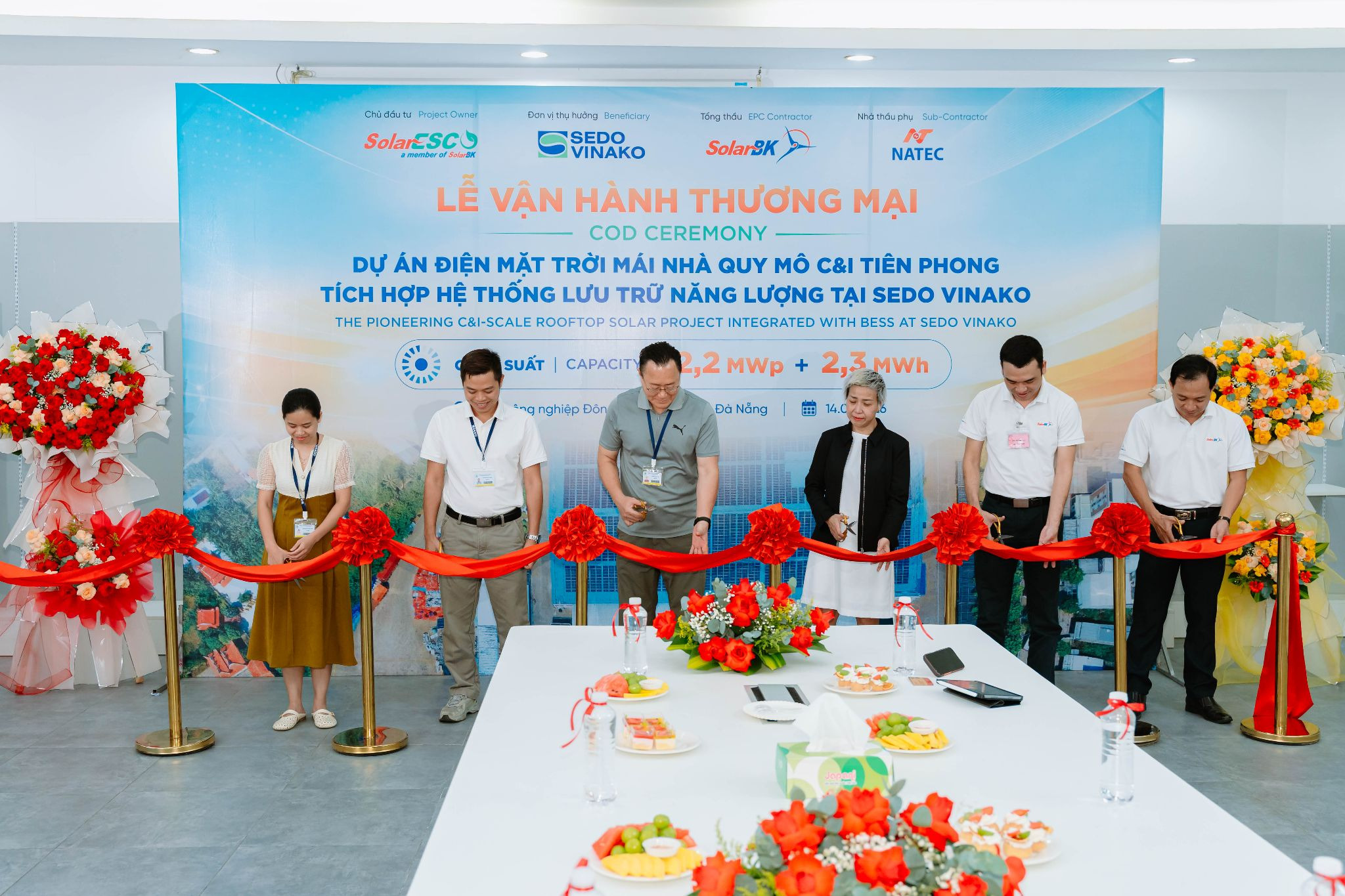
At SEDO Vinako, SolarBK has implemented solar power under an ESCO model, alongside the development of battery energy storage. Based on the two-phase configuration presented at Smart Factory 2026, the project comprises approximately 3.8 MWp of solar capacity and 2.3 MWh of energy storage.
The project illustrates an approach that begins with actual energy demand, selects an appropriate investment model, and progressively develops an integrated solution.
Importantly, project value extends beyond installation and commissioning. Long-term performance depends on reliable operations, sustained system efficiency, and the ability to deliver results consistent with the original investment objectives.
SolarBK: Developing Integrated Energy Solutions Around Business Needs
Founded in 2006 and building on a research foundation associated with Ho Chi Minh City University of Technology, SolarBK is a Vietnamese renewable energy company with projects spanning the Truong Sa archipelago, remote island and mountainous communities, and large-scale industrial facilities.
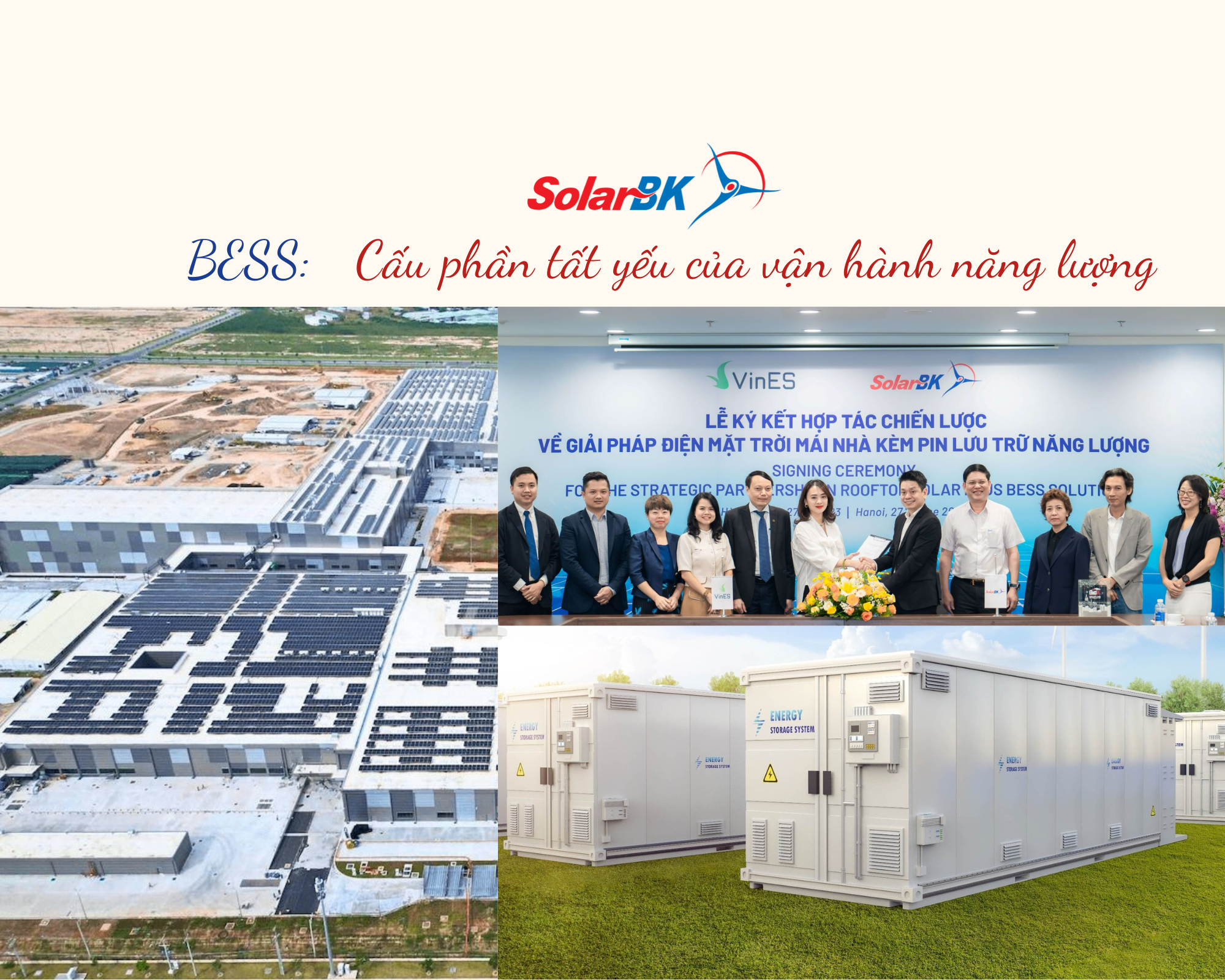
Over the years, SolarBK has developed an integrated energy value chain encompassing photovoltaic module manufacturing at its IREX factory in Phu My, Ho Chi Minh City; solar investment through ESCO models; BESS integration; and energy system management and operations.
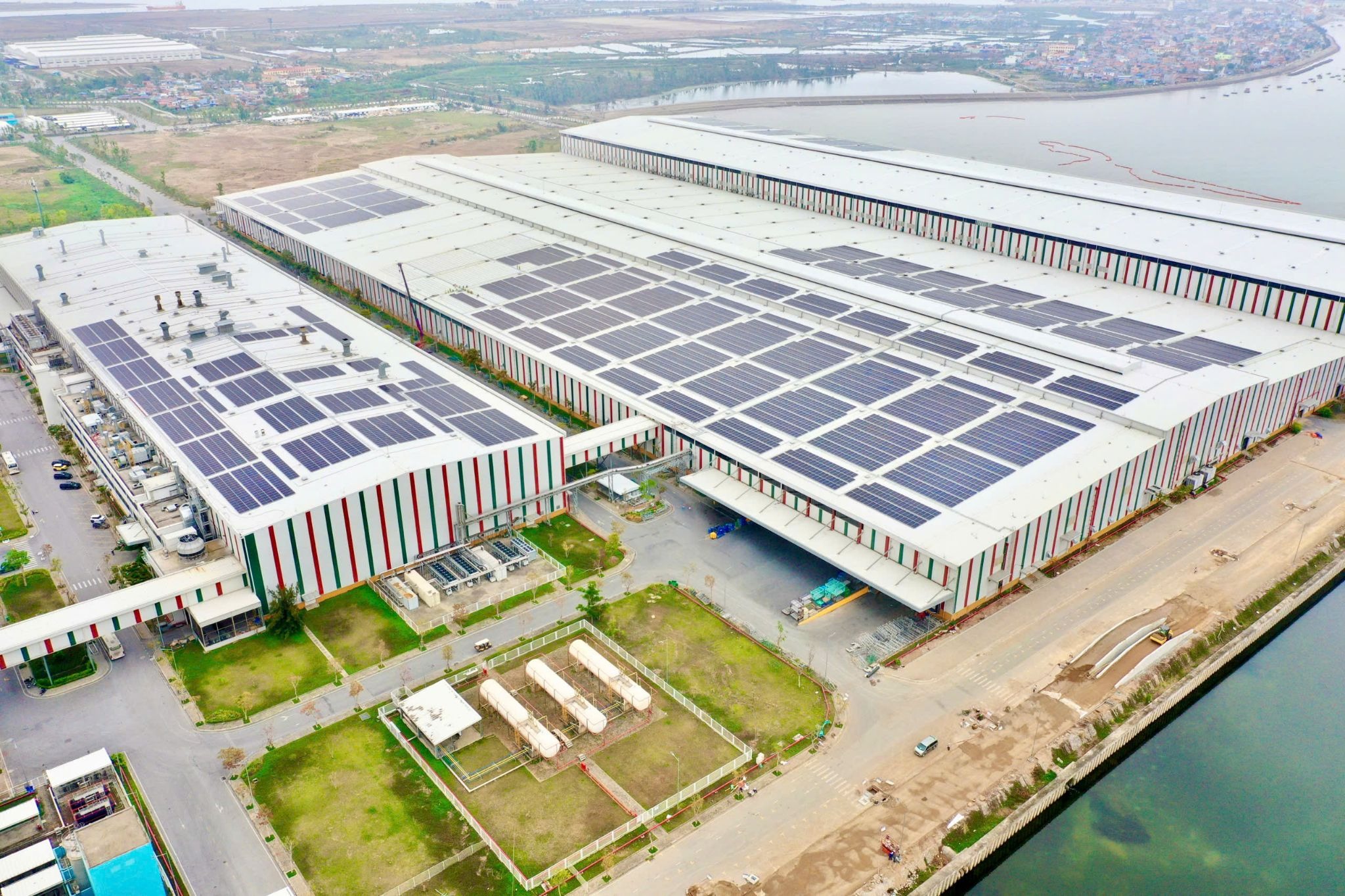
By combining technology expertise, investment capabilities, and operational experience, SolarBK approaches each customer's energy challenges from multiple perspectives: electricity demand patterns, financial resources, energy utilization efficiency, and decarbonization objectives.
Rather than offering a standardized configuration for every factory, SolarBK focuses on solutions tailored to actual operating conditions, with an emphasis on long-term value throughout the project lifecycle.
Energy independence does not necessarily begin with a major investment. It begins with the right decision: understanding actual needs, selecting the appropriate model, and progressively measuring results.
Through this approach, SolarBK aims to serve as a long-term energy solutions partner, helping manufacturers advance their sustainability goals while maintaining financial efficiency and operational performance.
Looking for the right energy solution for your business?
From commercial and industrial rooftop solar to ESCO investment models and BESS integration, SolarBK helps businesses assess their energy needs, identify suitable solutions, and improve long-term energy performance.
Contact SolarBK to explore energy solutions tailored to your operational requirements and sustainability goals.
Listen to the full program here. (SolarBK’s representative begins speaking at the 23-minute mark.)