Inheriting research & development background since 1975, SolarBK is proud to be a pioneer in laying the groundwork for clean energy industry in Vietnam and is now a leading company in this field.
To carry out the mission of applying clean energy into everyday life, we have researched and developed many solutions to make Solar power energy more diverse, convenient and cheaper.
Solar Panel Lifecycle Management: A New Strategic Challenge for the Energy Industry
Publish date 25/03/2026
Share
Over the past decade, solar power has evolved from an alternative energy source into a key pillar of the global energy transition. In Southeast Asia, Vietnam has emerged as one of the fastest-growing solar markets, making an important contribution to national decarbonization goals.
However, as solar installations, from residential systems to large-scale industrial projects, gradually reach maturity, the industry is facing a long-term challenge: managing solar panels at the end of their operational lifecycle.
End-of-life pressure and the emergence of secondary resources
A typical photovoltaic panel has an operational lifespan of 20 to 30 years. According to international academic studies and reports by the International Renewable Energy Agency (IRENA), global photovoltaic waste could reach between 1.7 and 8 million tons by 2030, increasing to approximately 60–78 million tons by 2050.
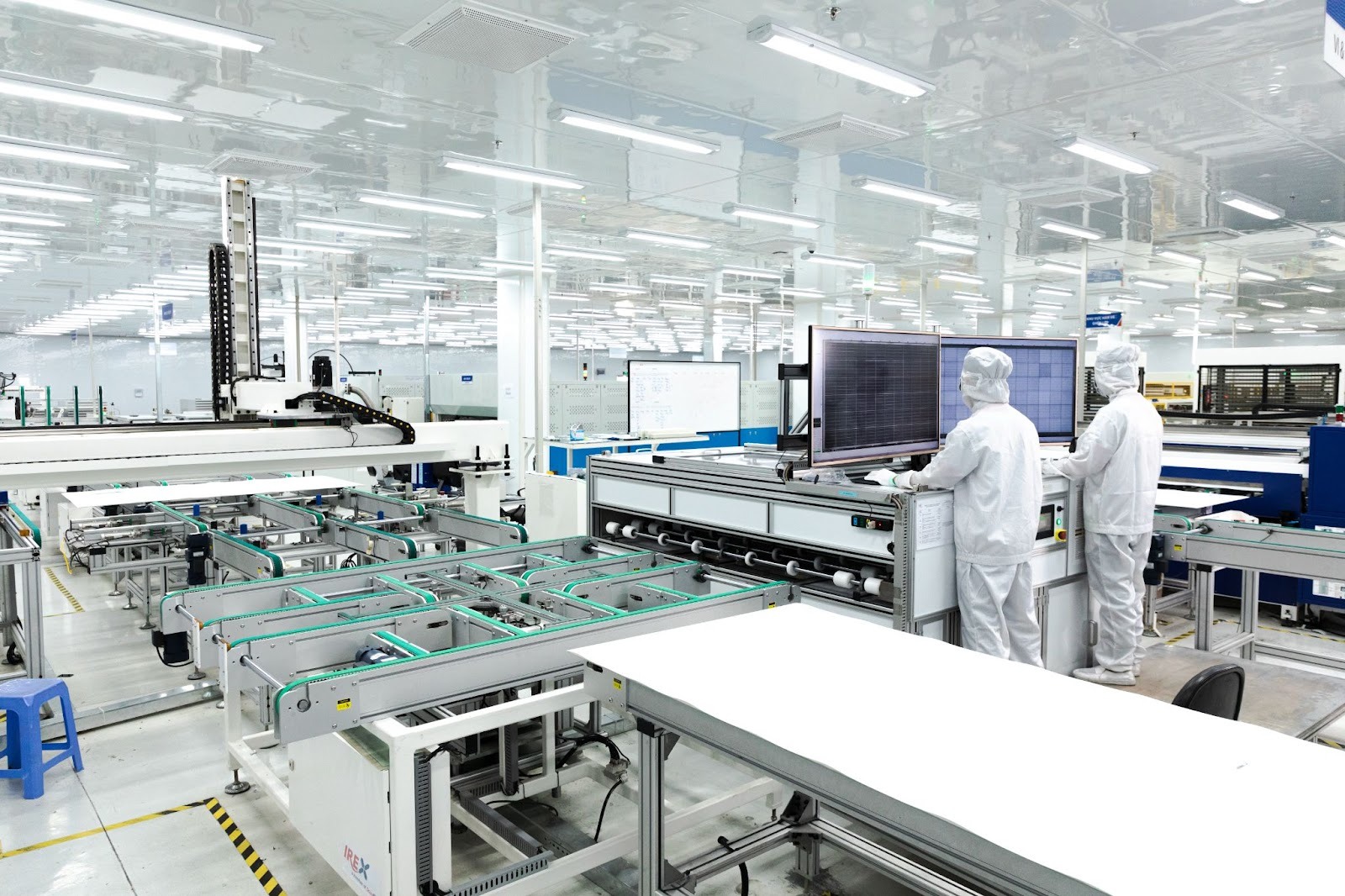
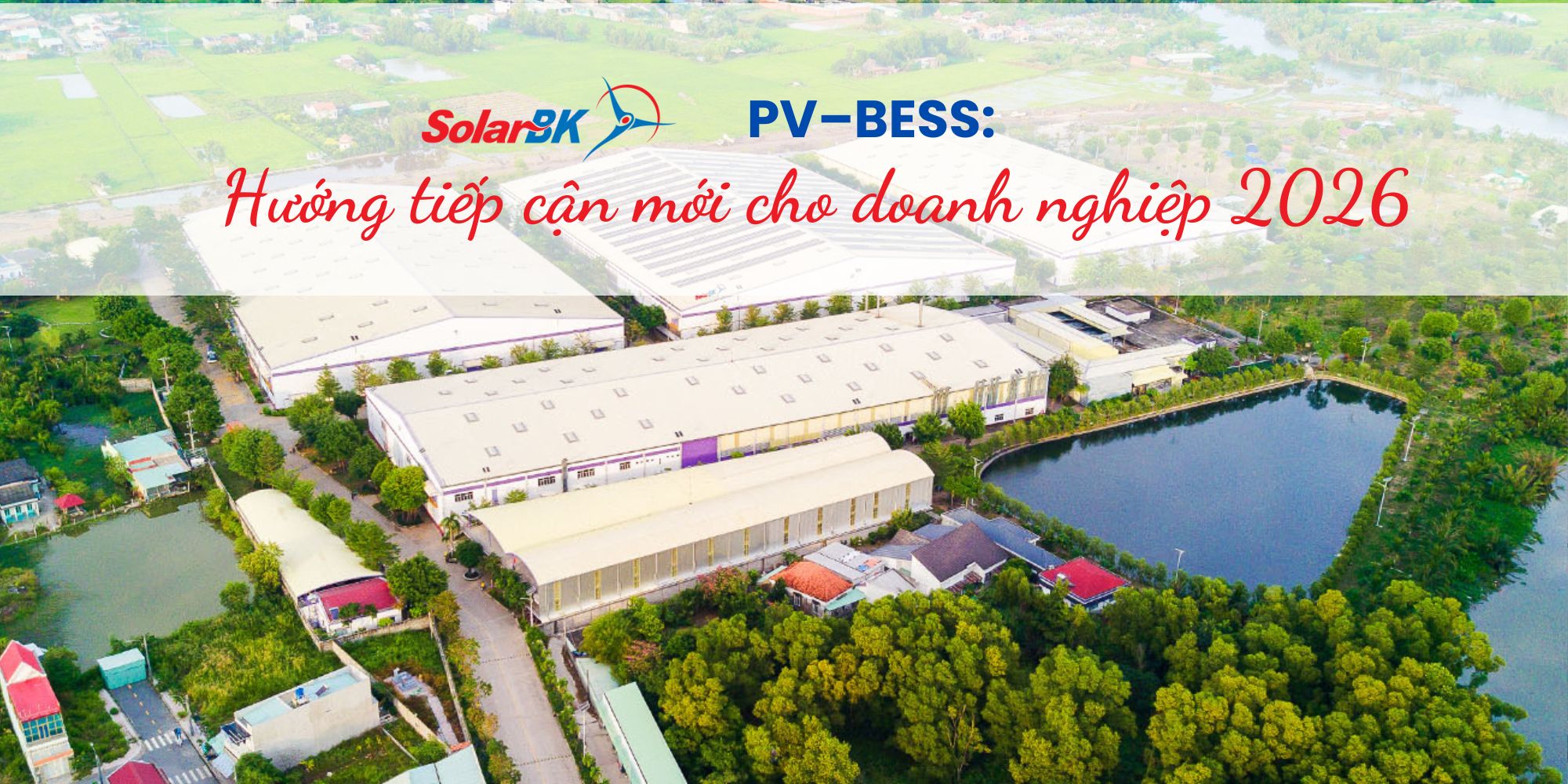
At the IREX photovoltaic panel manufacturing line (Phú Mỹ, Ho Chi Minh City)
From both environmental and economic perspectives, this represents not only a waste management challenge but also a potential source of valuable secondary materials. End-of-life solar panels contain recoverable components such as glass, aluminum, and silicon that can be reused if appropriate recycling solutions are implemented.
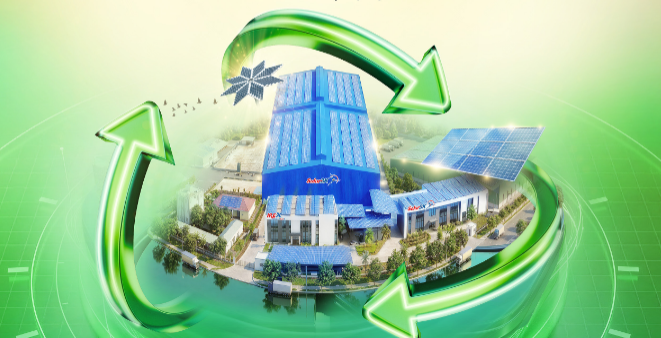
Developing collection and recycling systems early will help reduce pressure on natural resources while gradually supporting the formation of a circular value chain for the solar industry.
Japan and the development of a solar recycling ecosystem
In Asia, Japan is among the leading countries addressing the issue of solar panel recycling. Following the rapid expansion of solar deployment in the early 2010s, the country is expected to handle hundreds of thousands of tons of end-of-life solar panels annually by the mid-2030s.
In response, Japan has implemented systematic solutions ranging from policy frameworks to advanced recycling technologies. Environmental technology companies have developed processes to recover materials such as glass, aluminum, and silicon for reintegration into manufacturing.
This approach demonstrates a significant shift: recycling is no longer considered a downstream activity but an integrated component of energy system design within a circular economy framework.
SolarBK is actively exploring solutions for end-of-life material recovery and promoting collaboration with international technology partners to help establish the foundation for solar panel recycling capabilities in Vietnam
Vietnam: ecosystem gaps and early-stage preparation
In Vietnam, solar power experienced rapid growth between 2018 and 2020. However, the ecosystem for managing and recycling end-of-life solar panels remains at an early stage, with gaps in technology, infrastructure, and regulatory frameworks.
As a result, lifecycle management is gradually being incorporated into long-term strategic planning by energy sector stakeholders.
As one of Vietnam’s photovoltaic module manufacturers, IREX, a member of SolarBK Group, has developed internationally certified manufacturing capabilities meeting IEC and UL standards, with products present in markets such as the United States and Europe.
Alongside its manufacturing activities, the company is actively exploring solutions for end-of-life material recovery and promoting collaboration with international technology partners to help establish the foundation for solar panel recycling capabilities in Vietnam. In this context, international technology partnerships are expected to play a key role in shaping the next phase of the country’s renewable energy development.