Inheriting research & development background since 1975, SolarBK is proud to be a pioneer in laying the groundwork for clean energy industry in Vietnam and is now a leading company in this field.
To carry out the mission of applying clean energy into everyday life, we have researched and developed many solutions to make Solar power energy more diverse, convenient and cheaper.
Keeping production on track while advancing the energy transition: The Mikado Hue story
Publish date 07/11/2026
Share
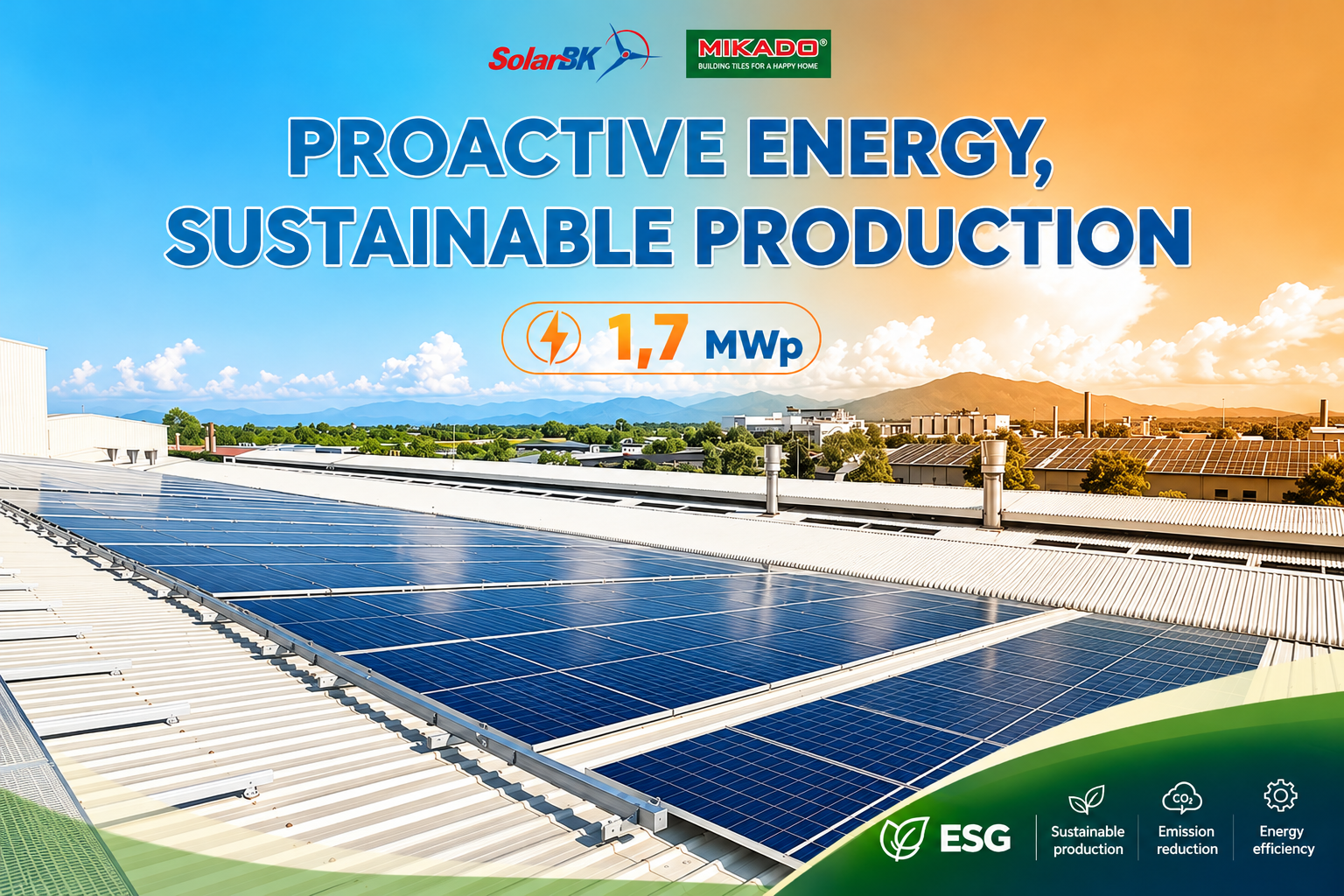
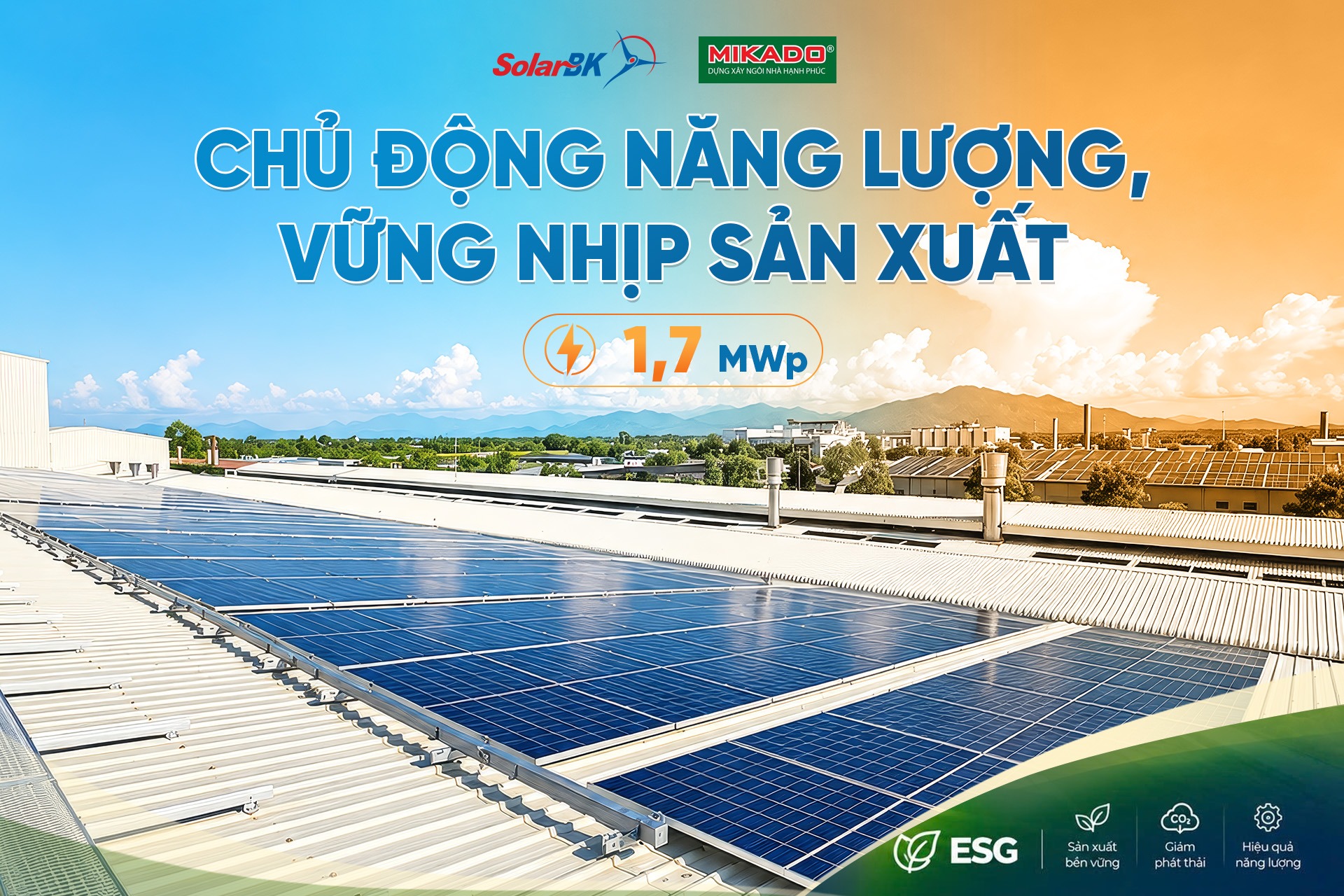
The green transition in industry is not simply about adopting new technologies. It requires balancing energy efficiency, operating costs, and production continuity. At Mikado Hue Factory, a 1.7 MWp rooftop solar system developed under the ESCO model by SolarBK demonstrates how clean energy solutions can be integrated into industrial operations with specific technical and operational requirements.
Vietnam’s Tile Industry Faces Growing Energy Transition Pressures
With more than 20 years of development in Vietnam’s building materials industry, Mikado has steadily expanded its manufacturing network and market presence. Its Mikado Hue Factory, operated by MIKADO - MT Joint Stock Company in Phu Bai Industrial Park, Hue City, has a designed production capacity of approximately 4 million square meters of ceramic tiles annually.
At Mikado Hue Factory, a 1.7 MWp rooftop solar system developed under the ESCO model by SolarBK
Ceramic tile manufacturing is energy-intensive, particularly during drying, firing, and production line operations. Amid fluctuating input costs and increasing expectations for energy efficiency and emissions reduction, building materials manufacturers face the dual challenge of strengthening competitiveness while pursuing greener production.
However, the energy transition involves more than selecting new technologies. For factories operating continuous production lines, energy solutions must align with existing infrastructure, electricity demand profiles, and financial priorities.
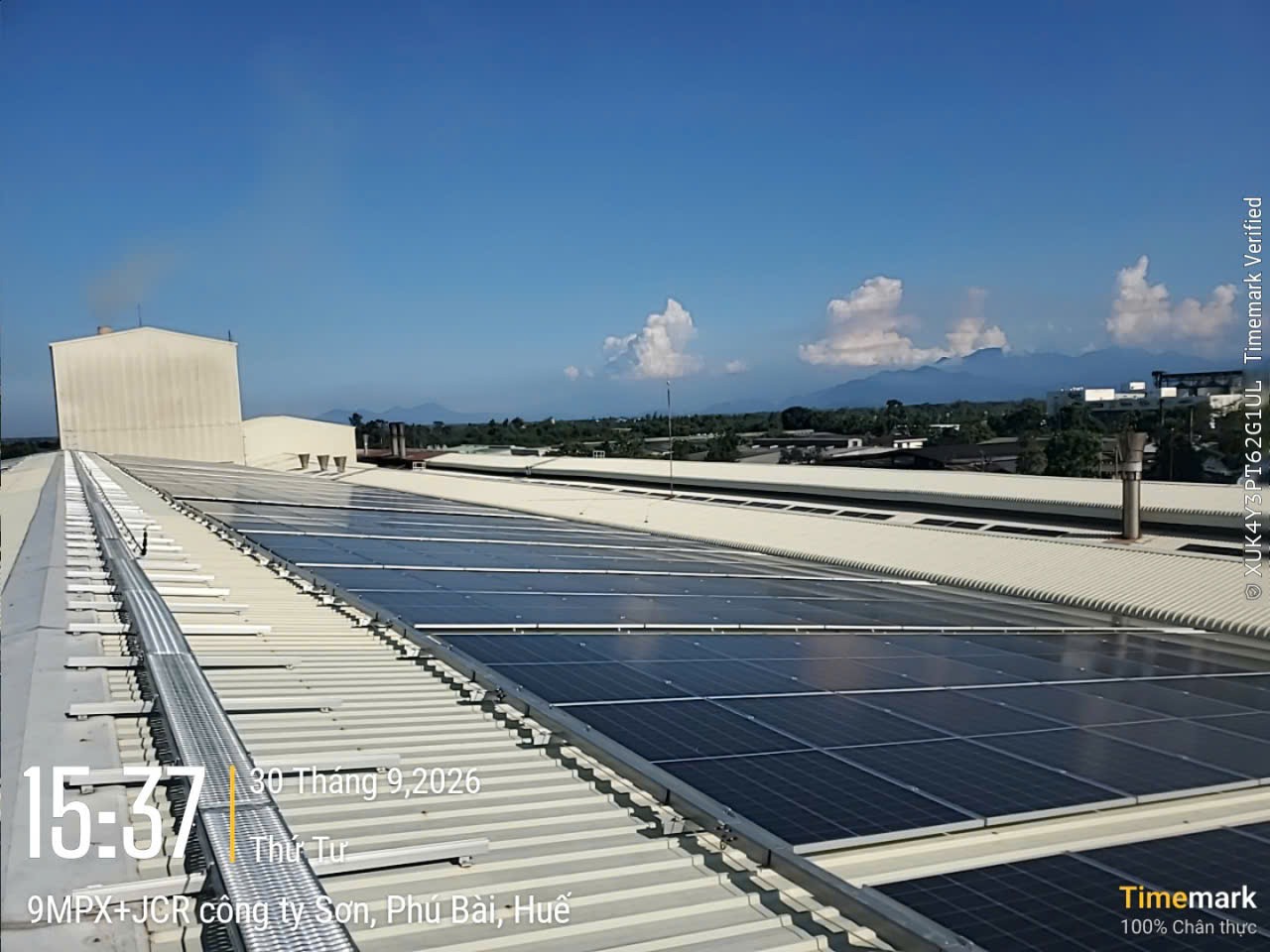
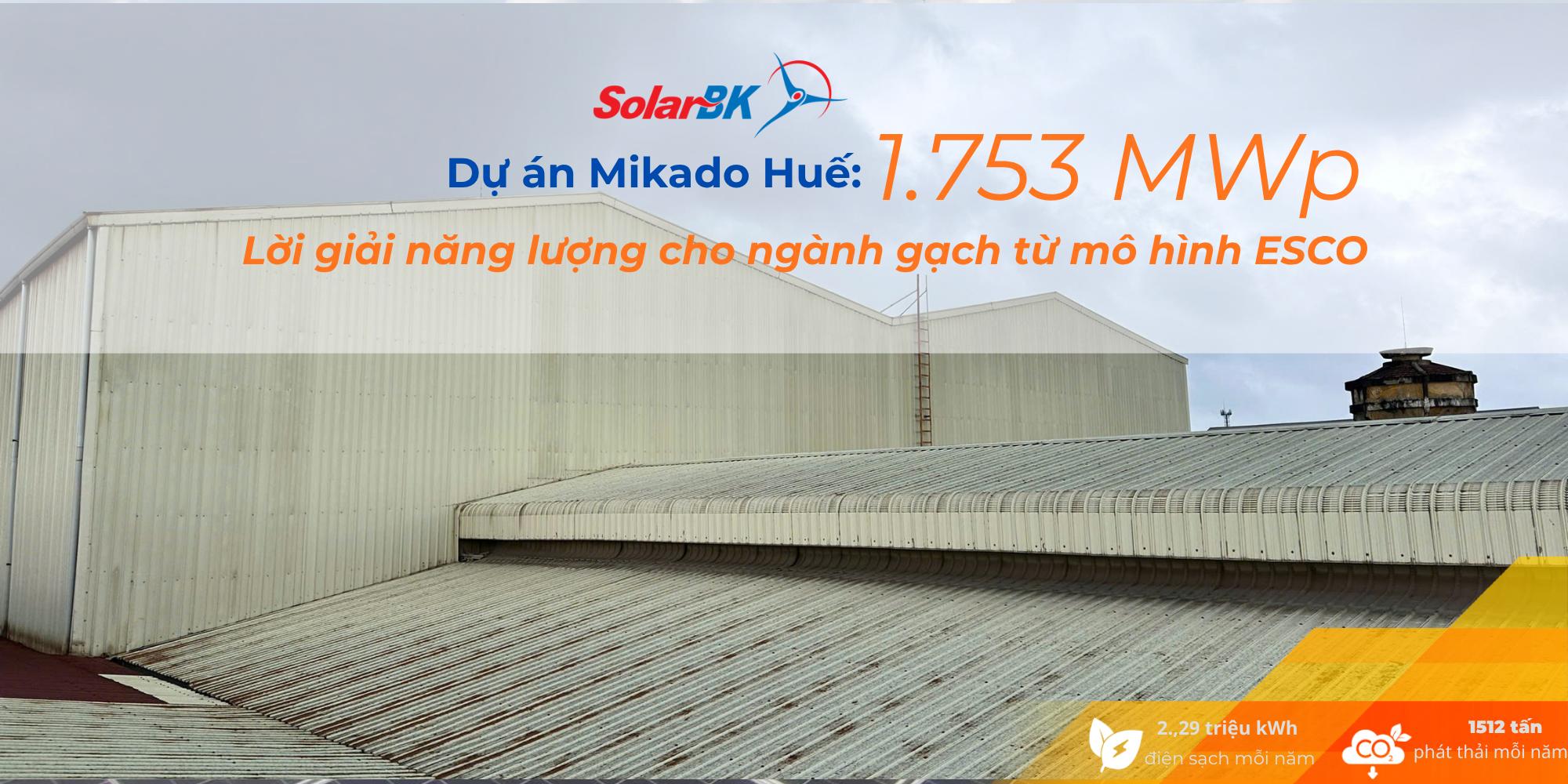
At Mikado Hue, the rooftop solar system, with a DC capacity of 1,716.1 kWp and an AC capacity of 1,375 kW, commenced commercial operation on August 30, 2026. The system provides an additional source of on-site clean electricity, supporting efforts to optimize energy costs and reduce emissions from manufacturing operations.
Maintaining Production Continuity Throughout the Energy Transition
What distinguishes the Mikado Hue project is not merely its installed capacity, but the requirement to implement a rooftop solar system while the factory continued its manufacturing operations.
The characteristics of ceramic tile production, including industrial dust, roof areas exposed to heat and steam from manufacturing processes, and frequent movement of raw materials, created specific requirements for site assessments, engineering solutions, and construction planning.
At Mikado Hue, the rooftop solar system, with a DC capacity of 1,716.1 kWp and an AC capacity of 1,375 kW, commenced commercial operation
In addition, Central Vietnam’s challenging weather conditions and the factory’s limited availability for power shutdowns required careful coordination when connecting the solar installation to the existing electrical infrastructure.
To address these requirements, SolarBK organized construction activities around the factory’s operating conditions, coordinating installation and grid connection work to meet technical and safety requirements while minimizing disruption to production.
This reflects a fundamental consideration in industrial energy projects: solutions must not only meet engineering specifications but also integrate effectively with existing infrastructure and day-to-day manufacturing operations.
From Technical Expertise to Long-Term Partnership Value
The Mikado Hue project was developed under the Energy Service Company (ESCO) model, with SolarESCO financing the system and SolarBK serving as the Engineering, Procurement, and Construction (EPC) contractor.
This arrangement enables Mikado Hue to access clean electricity without upfront capital investment in the solar system, allowing the company to allocate financial resources to its core manufacturing operations.
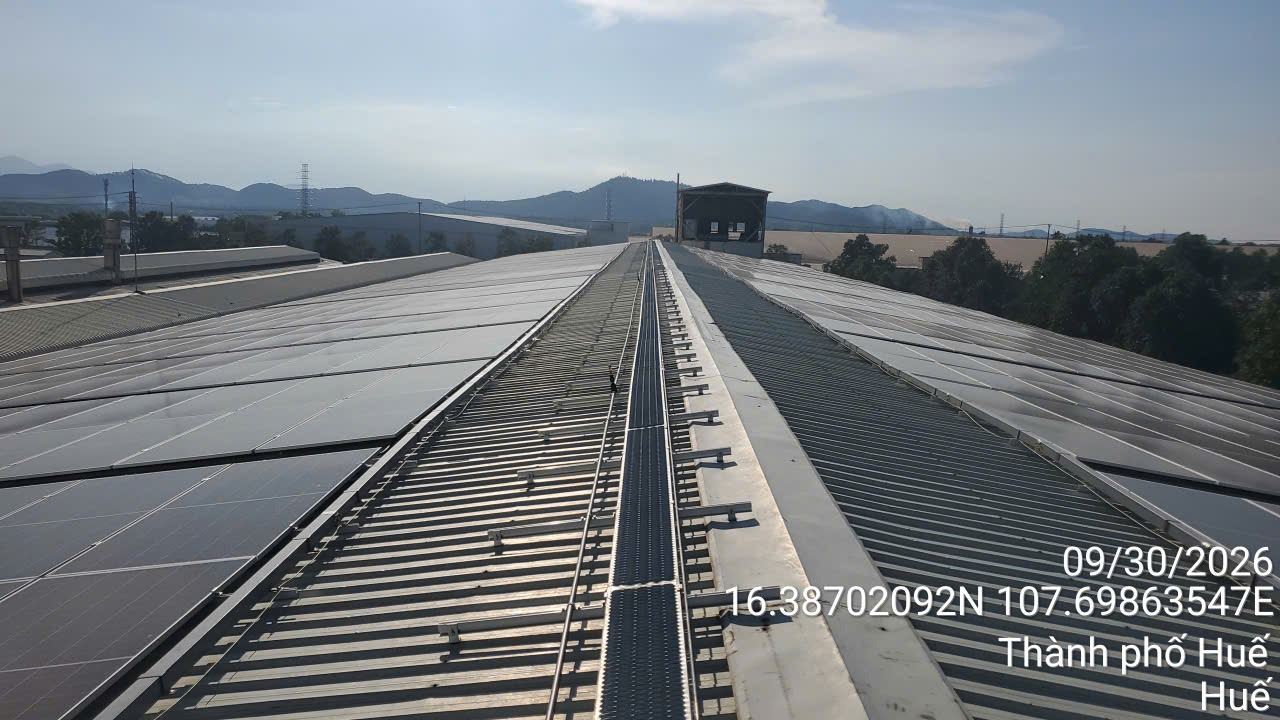
The rooftop solar system marks the beginning of a new phase in which clean energy can deliver ongoing value to manufacturing operations
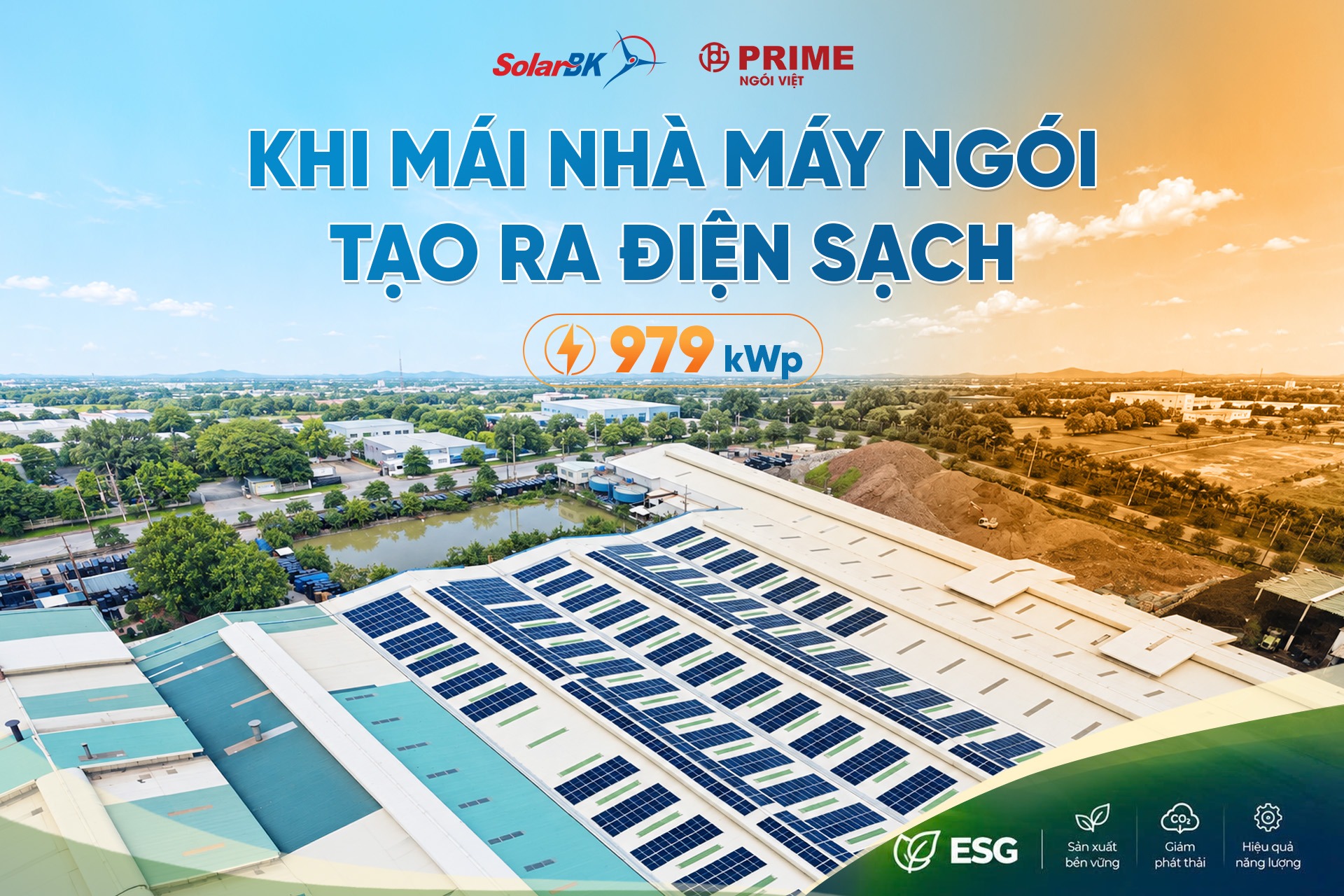
Prior to Mikado Hue, SolarBK had implemented rooftop solar projects for building materials manufacturers, including PRIME Group. In Central Vietnam, experience gained from projects such as Phu An Yarn Factory has further strengthened SolarBK’s capabilities in delivering energy solutions within active industrial facilities and under local operating conditions.
With 20 years of experience in renewable energy, SolarBK has developed an integrated energy ecosystem encompassing research, equipment manufacturing, engineering, construction, energy management, and system operations.
By combining technical expertise with flexible investment models, SolarBK approaches each project based on the customer’s actual operational needs and long-term business objectives.
At Mikado Hue, the rooftop solar system represents more than the completion of an infrastructure project. It marks the beginning of a new phase in which clean energy can deliver ongoing value to manufacturing operations.
For SolarBK, the energy transition goes beyond installing solar power systems. It is about making energy technology an integral part of more efficient operations and sustainable business development.
Every factory has its own operational characteristics and energy challenges. If your business is exploring ways to optimize electricity costs and advance its green transition, connect with SolarBK to assess your energy potential and develop a solution tailored to your operational needs.