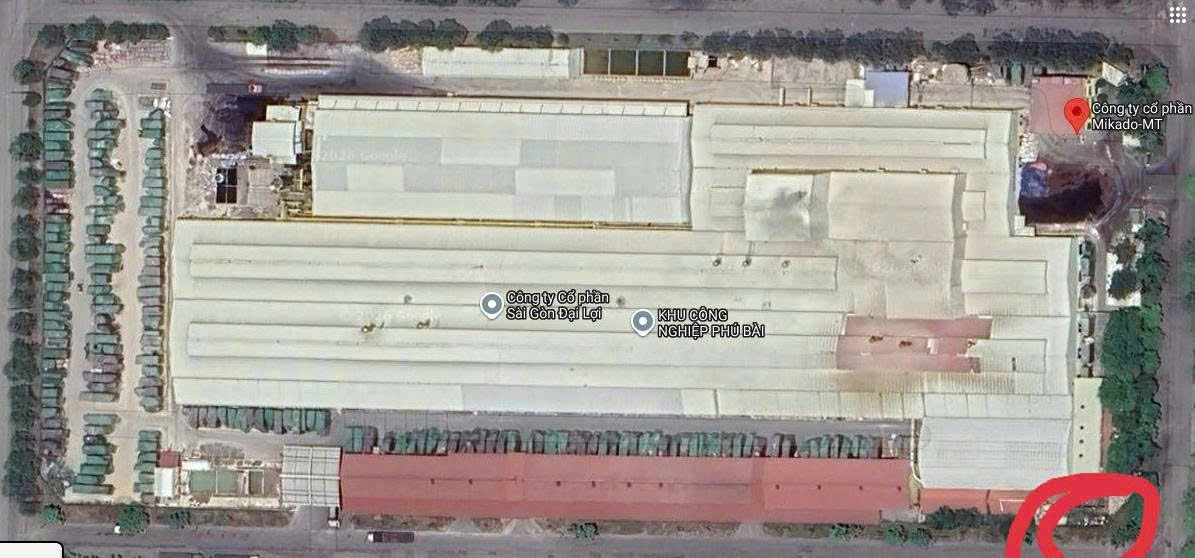
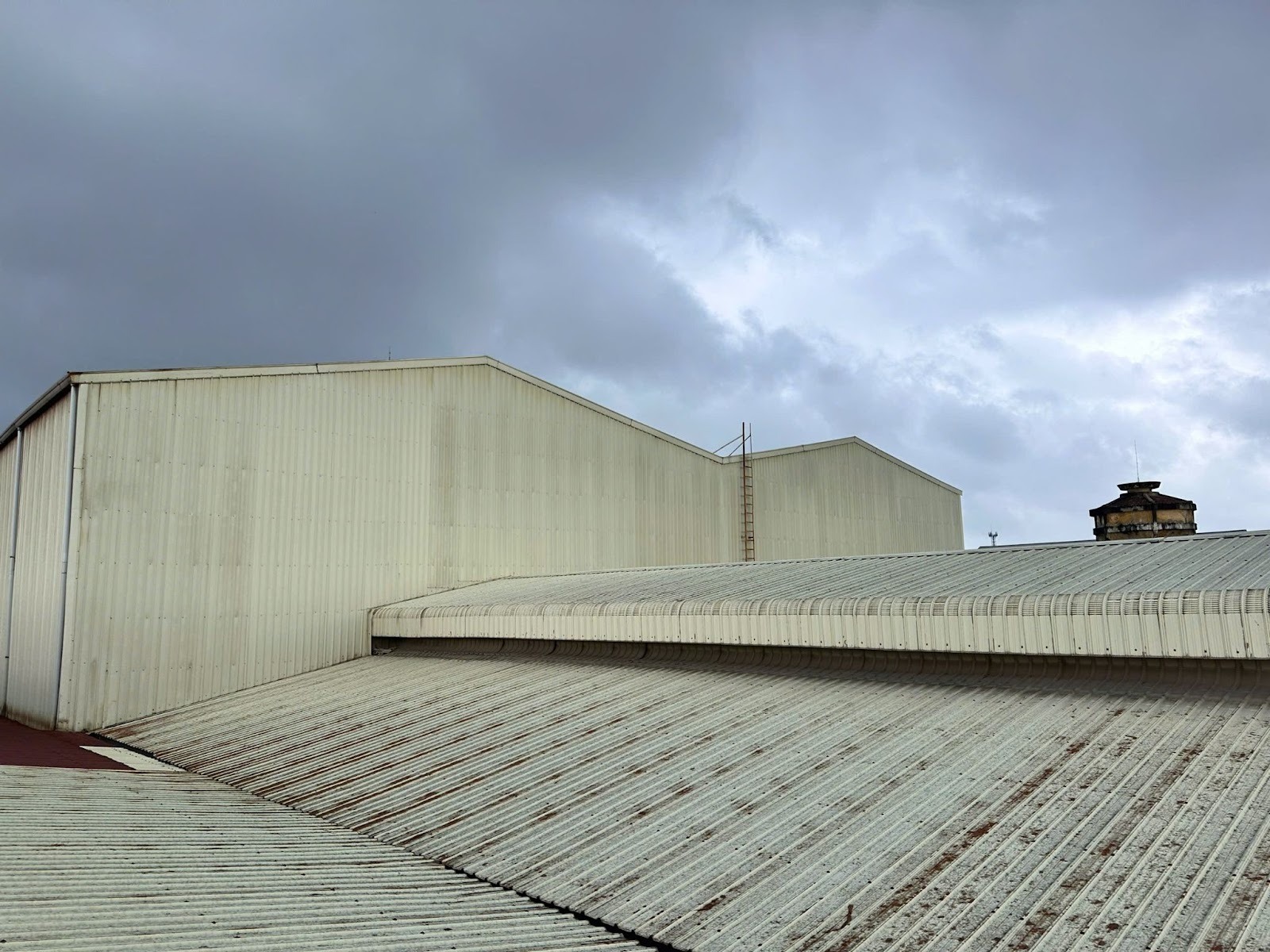
In the era of industrial “greening,” the construction materials sector, especially ceramic tile manufacturing, is facing a dual challenge: rising energy costs and increasingly stringent requirements from international markets. With production lines operating continuously at high temperatures, electricity is no longer just an operating expense but a critical factor in maintaining competitiveness. At the Mikado Hue factory (Phu Bai Industrial Park), this challenge has found a solution through a 1,752.74 kWp rooftop solar power project developed by SolarBK under the ESCO model.
When Businesses Choose “Partnership” Instead of “Self-Investment” Starting in 2023, Mikado Hue initially considered self-investment to maintain asset ownership. However, after evaluating capital efficiency, opportunity costs, and especially operational risks in the dust-intensive production environment typical of the tile industry, the company decided to adopt SolarBK’s ESCO (Energy Service Company) model.
Under this model, SolarBK takes full responsibility for investment, design, installation, and operation & maintenance. Mikado Hue benefits from clean electricity at a preferential rate without any upfront capital expenditure. This decision reflects a flexible management mindset: focusing internal resources on core manufacturing while entrusting energy solutions to specialized experts.
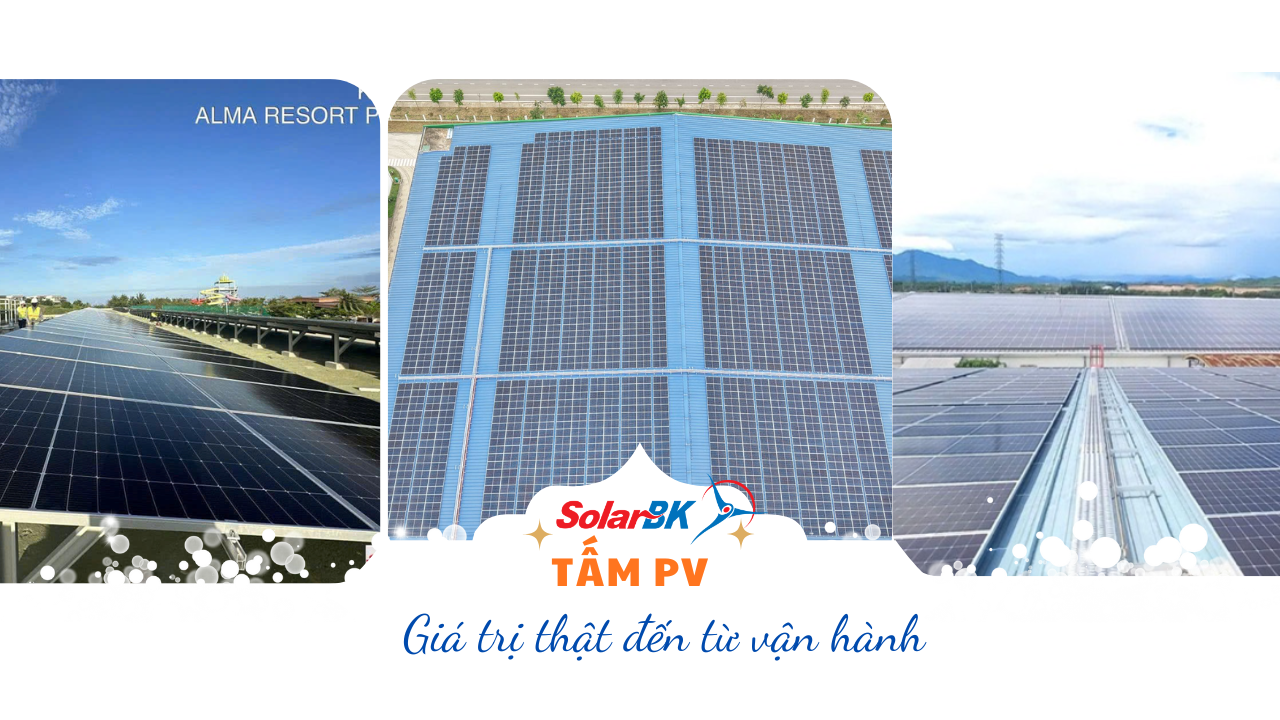
Technical Solutions for Harsh Industrial Environments The system at Mikado Hue uses more than 2,800 IREX solar panels rated at 620 Wp, featuring bifacial (dual-glass) technology. This solution optimizes radiation absorption even under diffuse light conditions, which are characteristic of Central Vietnam’s climate.
According to simulations using PVsyst software, the system is expected to generate approximately 2.29 million kWh of clean electricity annually. This power source not only reduces peak-hour pressure on the national grid but also helps lower factory roof temperatures, improving working conditions for employees in tile plants where high temperatures are constantly maintained.
Data Transparency as a Foundation for ESG Strategy A key highlight of the project is the integration of the ERIS energy management platform, which enables Mikado Hue to monitor system output and performance in real time. Digitalized data provides an important legal basis for emissions reporting, with an estimated reduction of 1,512 tons of CO₂ per year.
This serves as a “passport” for Mikado Hue to strengthen its position when exporting to demanding markets such as Southeast Asia, the Middle East, and the Americas, where ESG (Environmental – Social – Governance) standards are increasingly becoming mandatory technical requirements.
A Strategic Step in a New Development Phase The collaboration between Mikado Hue and SolarBK demonstrates that energy transition is no longer a distant goal. Through the ESCO model, businesses can immediately implement green transformation without placing pressure on operational cash flow.
The project not only optimizes operating costs but also reinforces SolarBK’s reputation in delivering “Make in Vietnam” clean energy solutions that support local enterprises in reaching international markets.
The rooftop solar project at Mikado Hue marks the beginning of a broader partnership between SolarBK and the company in optimizing energy costs and enhancing sustainable manufacturing standards.
With extensive experience implementing ESCO projects for manufacturing plants across Central Vietnam, SolarBK is ready to support businesses in developing energy transition roadmaps tailored to their operational characteristics and long-term financial plans.
Companies interested in rooftop solar solutions under the ESCO model are encouraged to contact SolarBK for consultation from the initial assessment stage.