Inheriting research & development background since 1975, SolarBK is proud to be a pioneer in laying the groundwork for clean energy industry in Vietnam and is now a leading company in this field.
To carry out the mission of applying clean energy into everyday life, we have researched and developed many solutions to make Solar power energy more diverse, convenient and cheaper.
Heat Season Peaks and the Growing Pressure of Enterprise Energy Management
Publish date 16/05/2026
Share
A rise of just a few degrees Celsius can increase national power demand by thousands of megawatts. During recent peak heat periods, many regions have recorded sharp increases in electricity consumption, placing significant pressure on the power system and creating an urgent need for businesses to optimize energy operations.
What is particularly notable is that extreme heat is no longer only putting pressure on the national power grid. It is becoming a real-world test of how businesses manage operations and adapt to increasingly volatile energy conditions.
As extreme weather intensifies, electricity demand for cooling, air conditioning, and essential operational systems continues to surge across industries such as manufacturing, logistics, retail, hospitality, and services. Energy is therefore no longer simply a cost issue; it is now directly affecting operational efficiency, business continuity, and performance during peak periods.
This is also why the Government issued Directive No. 10 on strengthening energy efficiency practices and promoting rooftop solar development. The policy signal reflects a broader shift toward long-term energy optimization, not only for the national grid but also for large-scale energy consumers across the economy.
When Energy Becomes an Operational Challenge
For many years, businesses primarily viewed solar power as a solution for reducing electricity costs. However, increasingly intense heat seasons are rapidly changing that perspective.
For many enterprises, especially those with large daytime electricity loads, the ability to optimize and proactively manage energy is becoming a critical operational factor. Even slight increases in cooling, ventilation, and technical system operating costs can significantly impact overall business performance during peak heat periods.
In this context, rooftop solar is gradually being recognized as part of a company’s energy infrastructure. Rather than focusing solely on lowering electricity bills, businesses are increasingly interested in the ability to:
reduce dependence on the grid during daytime operations,
optimize operational energy loads,
improve long-term energy cost control,
and meet increasingly stringent ESG and green supply chain requirements.
Particularly for manufacturing and export-oriented businesses, energy is no longer viewed merely as an operating expense. It is increasingly becoming part of a company’s competitiveness and global supply chain evaluation standards.
Solar Power Is Becoming Part of Enterprise Energy Strategy
This trend is becoming increasingly evident among businesses with high and continuous electricity demand.
In the hospitality sector, where customer experience is closely tied to air conditioning, swimming pools, hot water systems, and service utilities, energy is becoming an integral part of operational asset value.
At Alma Resort (Khanh Hoa), the clean energy system helps the resort save approximately VND 12 billion in electricity costs annually. Meanwhile, Saigon Hotel and Majestic Hotel Ho Chi Minh City have implemented solar water heating systems with capacities of 10,000 liters/day and 25,000 liters/day respectively, helping optimize operating costs while supporting green transition strategies.
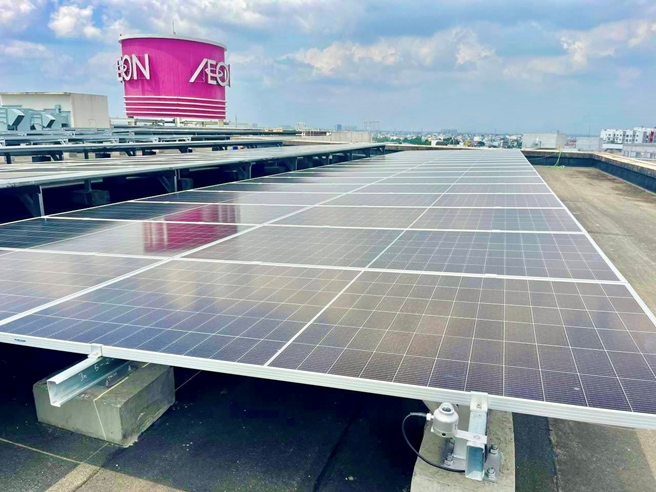
At AEON Mall Tan Phu, SolarBK implemented a rooftop solar system aligned with Japanese operational standards
Beyond hospitality, shopping malls are also under significant pressure during hot seasons, as central cooling systems, lighting, and operational utilities run continuously throughout peak periods.
At AEON Mall Tan Phu, SolarBK implemented a rooftop solar system aligned with Japanese operational standards, supporting energy optimization for large-load commercial operations and long-term sustainable development.
In the export manufacturing sector, particularly industries with large daytime loads and growing ESG pressure, solar energy is increasingly becoming part of long-term energy management strategies for FDI enterprises.
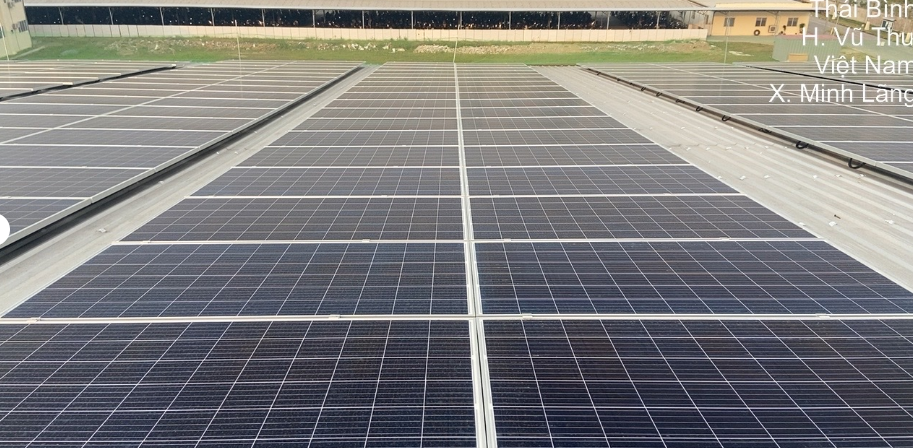
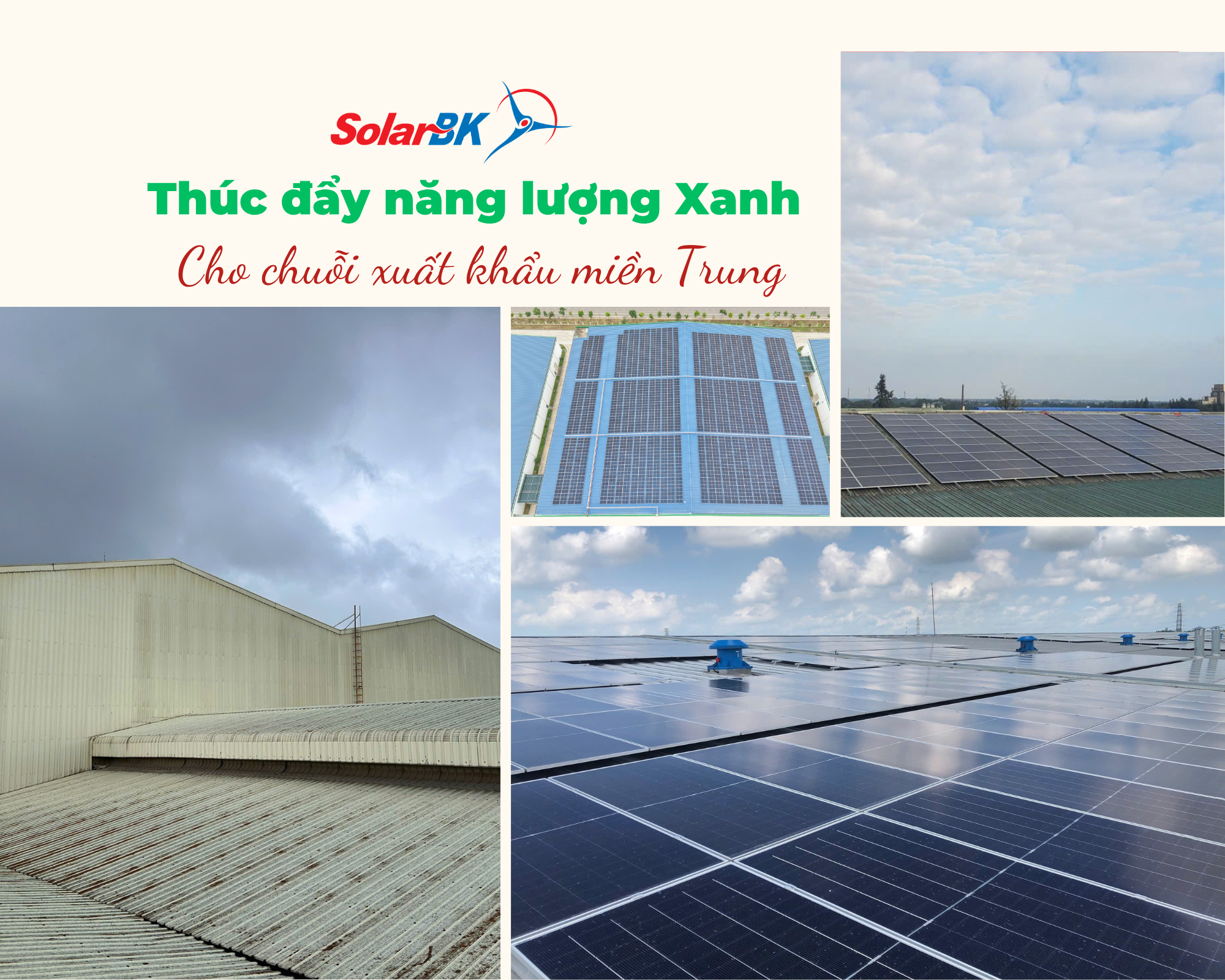
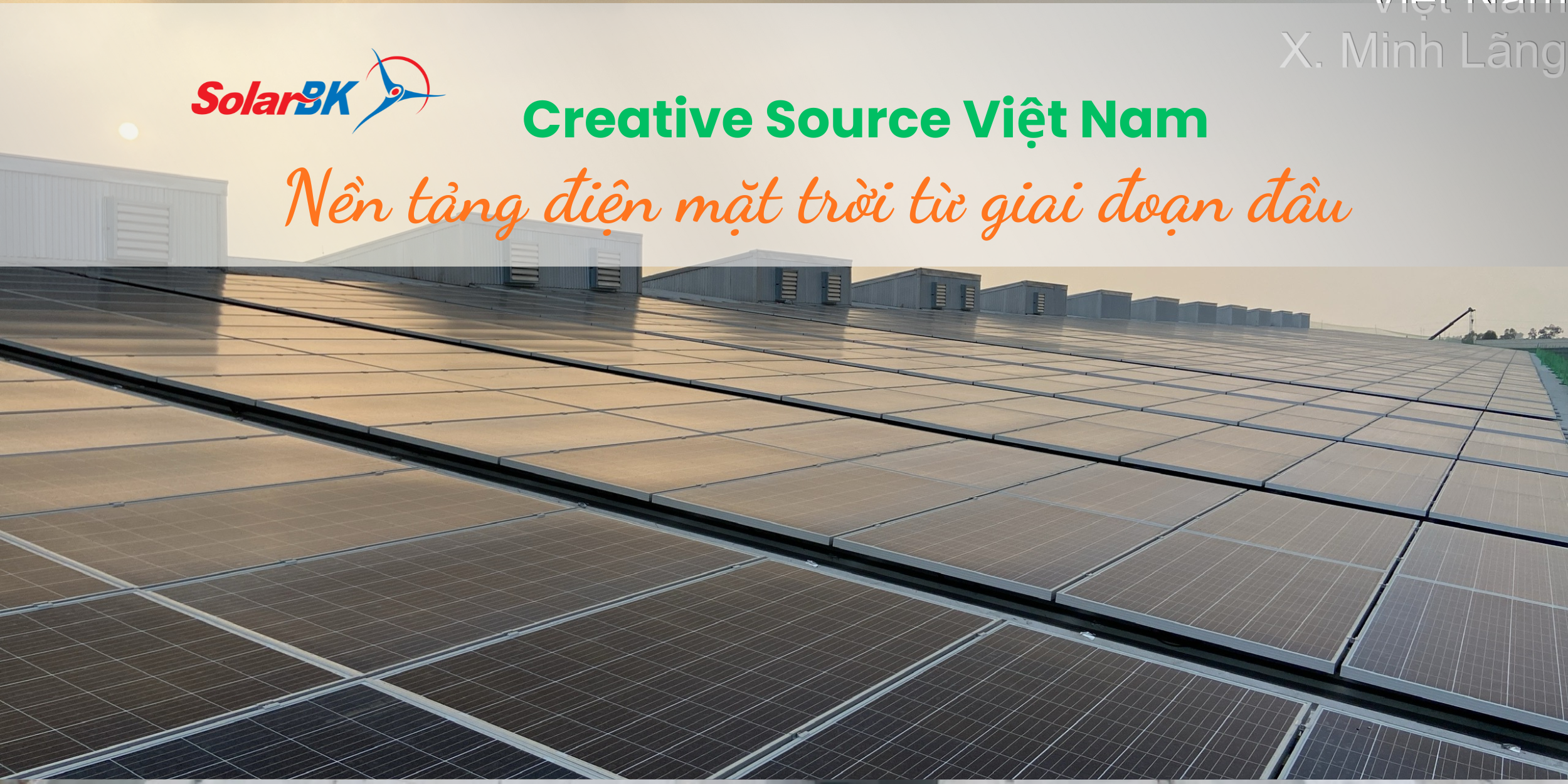
At Creative Company (Thai Binh), a 100% foreign-invested enterprise specializing in leather footwear exports, SolarBK deployed a 3.628 MWp rooftop solar system in 2022. The system generates approximately 342,588 kWh per month while reducing around 4,481 tons of CO₂ emissions annually. The project helps optimize daytime energy costs and supports increasingly stringent sustainability requirements in export supply chains.
Meanwhile, Jim Brother’s, a textile manufacturer operating factories in Binh Duong and Phu Tho, invested in a 3.5 MWp rooftop solar system. The system generates more than 4,500 MWh of clean electricity annually while helping reduce approximately 3,200 tons of CO₂ emissions each year. The adoption of solar energy not only helps optimize daytime manufacturing loads but also supports ESG objectives and emissions reduction commitments within global supply chains.
What is increasingly evident is that businesses today are no longer simply seeking solar systems that reduce electricity costs. They are looking for energy optimization solutions tailored to their specific operational models.
At Creative Company (Thai Binh), a 100% foreign-invested enterprise specializing in leather footwear exports
Energy Management Is Becoming a New Competitive Advantage
Amid extreme heat, rising power demand, and increasing sustainability expectations, energy management is gradually becoming part of the competitive capability of modern enterprises.
Rooftop solar is no longer merely a technical installation or a branding initiative. For many businesses, it is increasingly becoming part of their energy infrastructure — helping optimize daytime loads, improve operational cost control, and strengthen long-term adaptability to energy market fluctuations.
This trend is expected to accelerate further as ESG standards, Net Zero commitments, and emissions transparency requirements increasingly influence corporate development strategies.
The market is entering a new phase where businesses will compete not only through products or costs, but also through their ability to manage energy efficiently and adapt more effectively to global energy market volatility.
Looking to optimize energy costs and daytime loads during peak heat season?Connect with SolarBK for a tailored consultation.