April 2026 highlights a clear shift in Vietnam’s energy landscape.
Energy is no longer just a cost of doing business, but a critical factor shaping operational stability and competitiveness. As power supply pressure intensifies during peak seasons, businesses are no longer asking whether they have enough electricity. The real question now is how to secure energy, control costs, and ensure uninterrupted production. In this context, rooftop solar and energy storage are evolving from cost-saving solutions into core operational capabilities.
Policy Shift: From Supply Expansion to Demand Management Recent policy directions signal a transition from expanding power generation to managing demand. The focus is no longer on building more capacity, but on reducing peak load, optimizing consumption, and improving system flexibility.
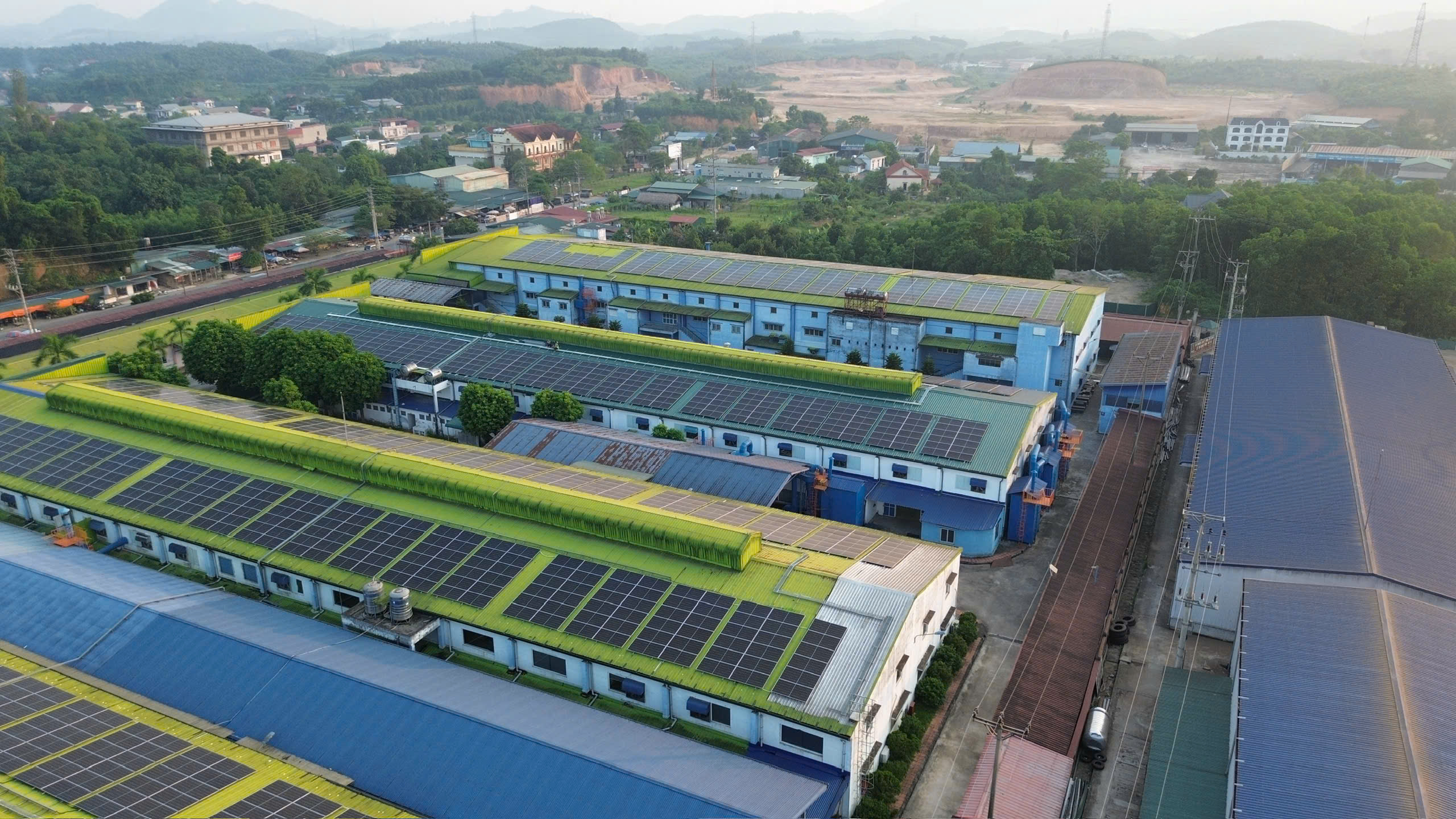
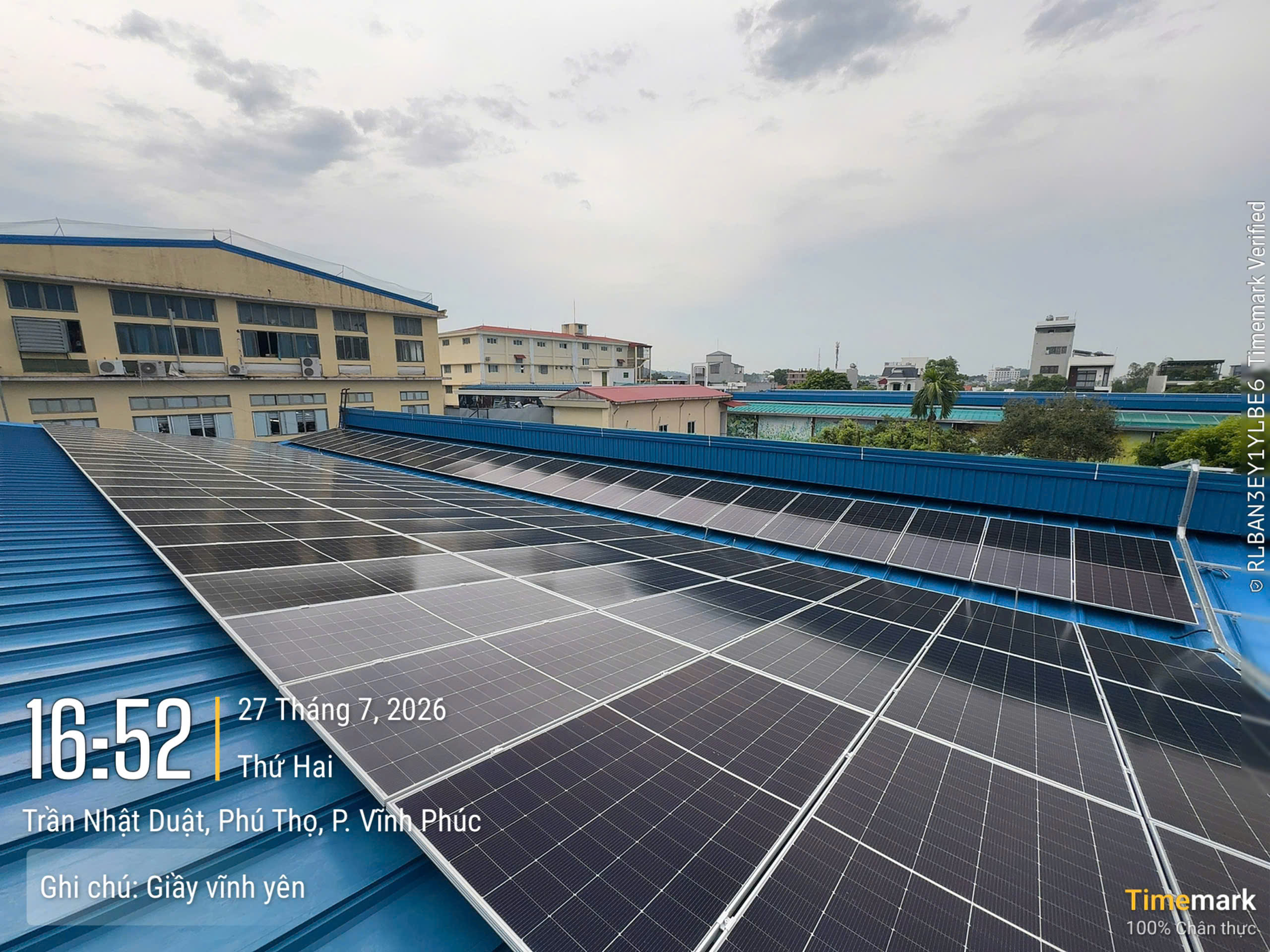
Rooftop solar is now positioned as a key tool in system balancing, especially when integrated with storage and demand response solutions. This means businesses can no longer remain passive energy consumers, they must actively manage and optimize their energy usage.
Market Shift: From Installation to Energy Management Businesses are moving beyond standalone solar installations toward integrated energy systems. The real value no longer lies in adding capacity, but in optimizing load profiles and leveraging storage to stabilize operations during peak demand periods.
Solar combined with energy storage helps reduce peak-hour costs, enhance energy independence, and ensure continuous production. At a deeper level, energy is becoming an operational discipline, one that directly impacts cost efficiency and ESG compliance across global supply chains.
Industry Shift: A New Standard Is Emerging Leading industrial players are already ahead of this transition. They are not simply adopting solar, they are managing energy as an integrated system embedded within production infrastructure.
In this new context, the question is no longer whether to invest, but when to act to avoid falling behind.
Green Industrial Parks: From Consumption to Integration Industrial zones are evolving into integrated energy ecosystems, where each factory is no longer a passive consumer, but part of a system capable of generating, storing, and managing energy.
With ESG requirements tightening globally, clean energy is no longer a competitive edge, but a prerequisite for participation in supply chains. Businesses that fail to adapt risk higher costs and potential exclusion from international markets.
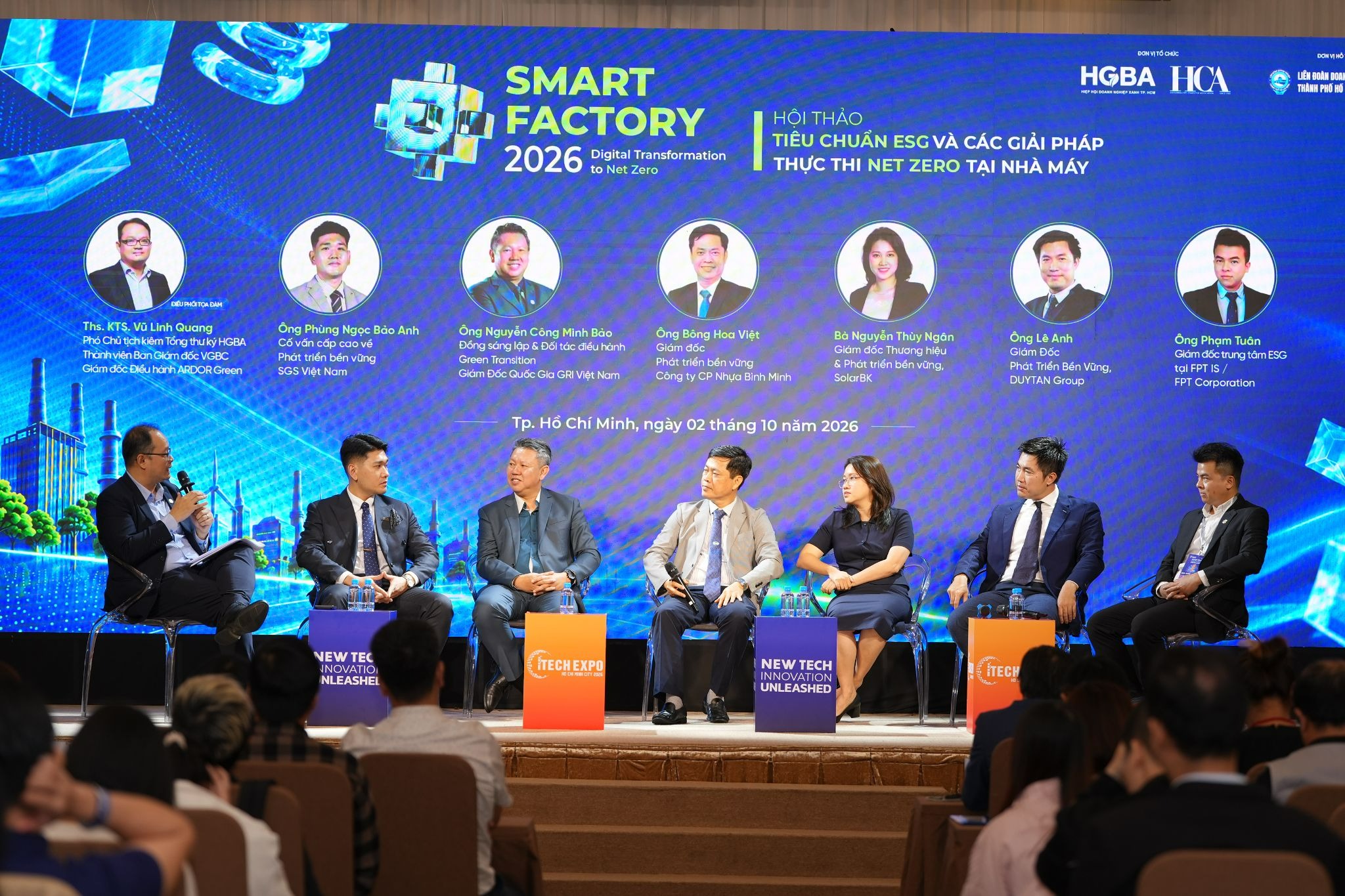
SolarBK: Strengthening Operational Capability As the market shifts from installation to operation, SolarBK is redefining its role, focusing on energy management and system optimization rather than just deployment.
By strengthening team capabilities and execution expertise, SolarBK is positioning itself to support businesses in meeting increasingly demanding standards for clean energy, traceability, and operational reliability.
April 2026 Outlook April marks a turning point: solar and storage are no longer emerging trends, but becoming the new standard.
The question is no longer whether to invest, but whether businesses are equipped to manage energy as a competitive advantage.
In this new phase, leaders will not be those who install the fastest, but those who operate energy systems most effectively.