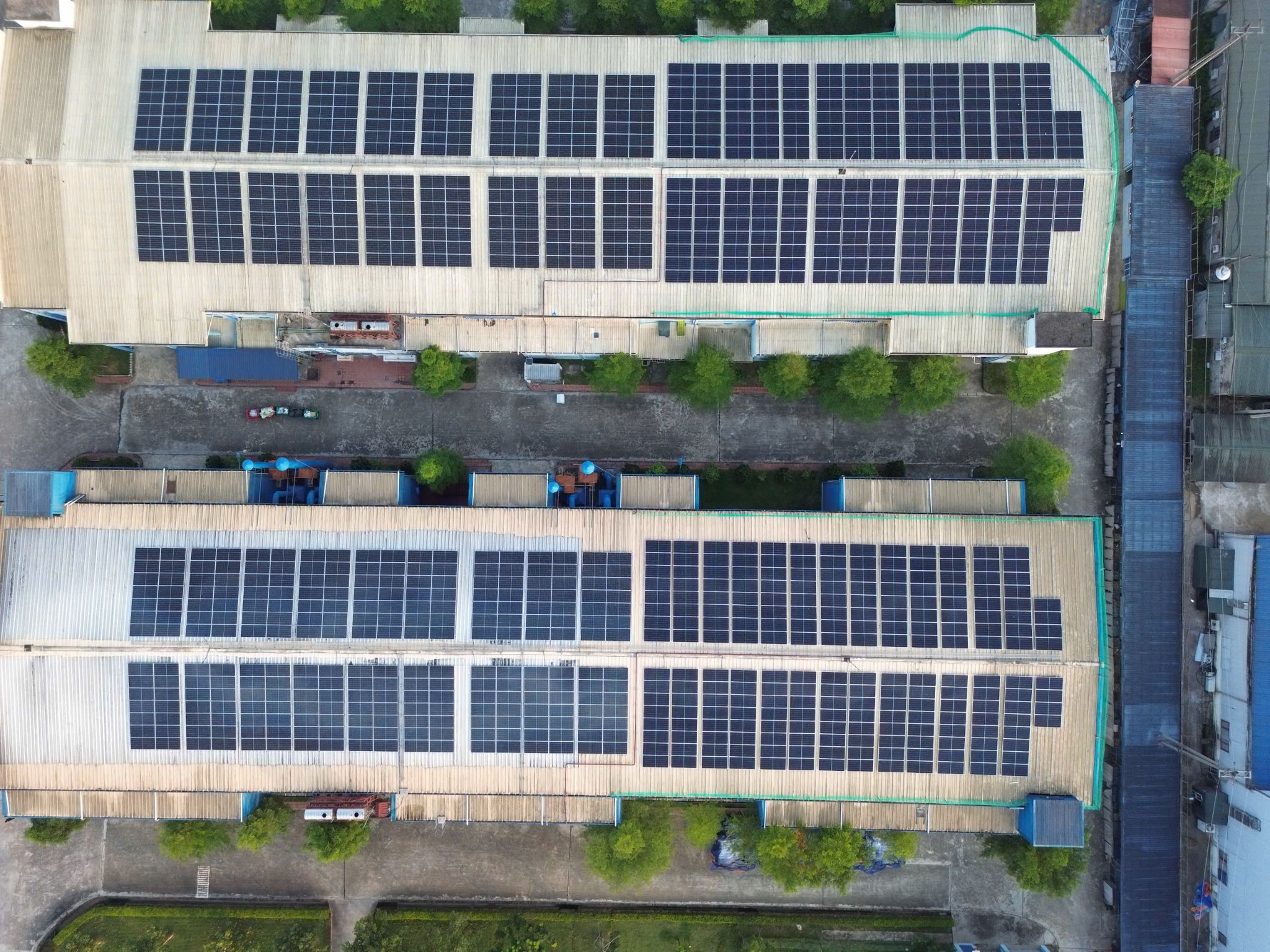
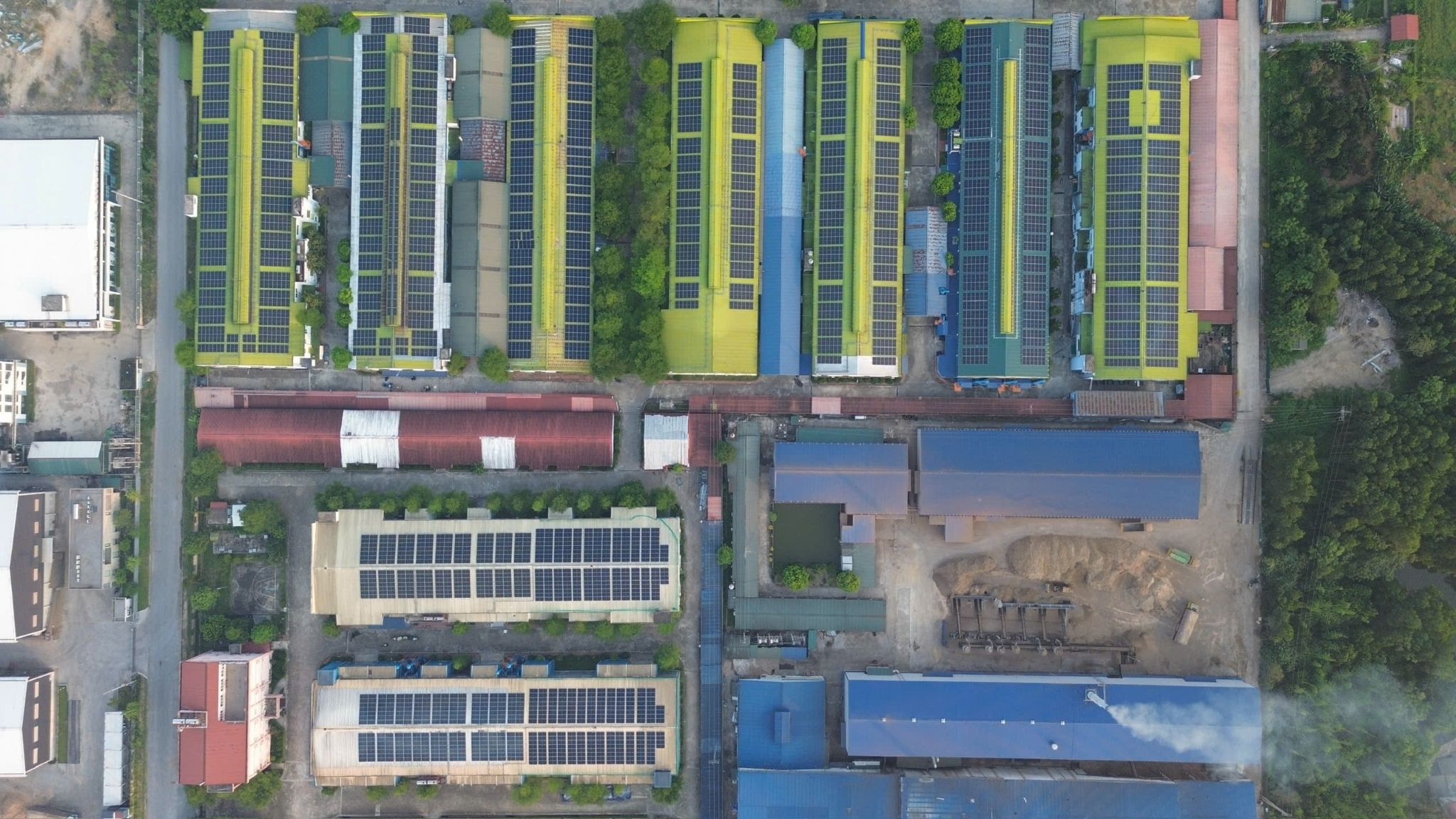
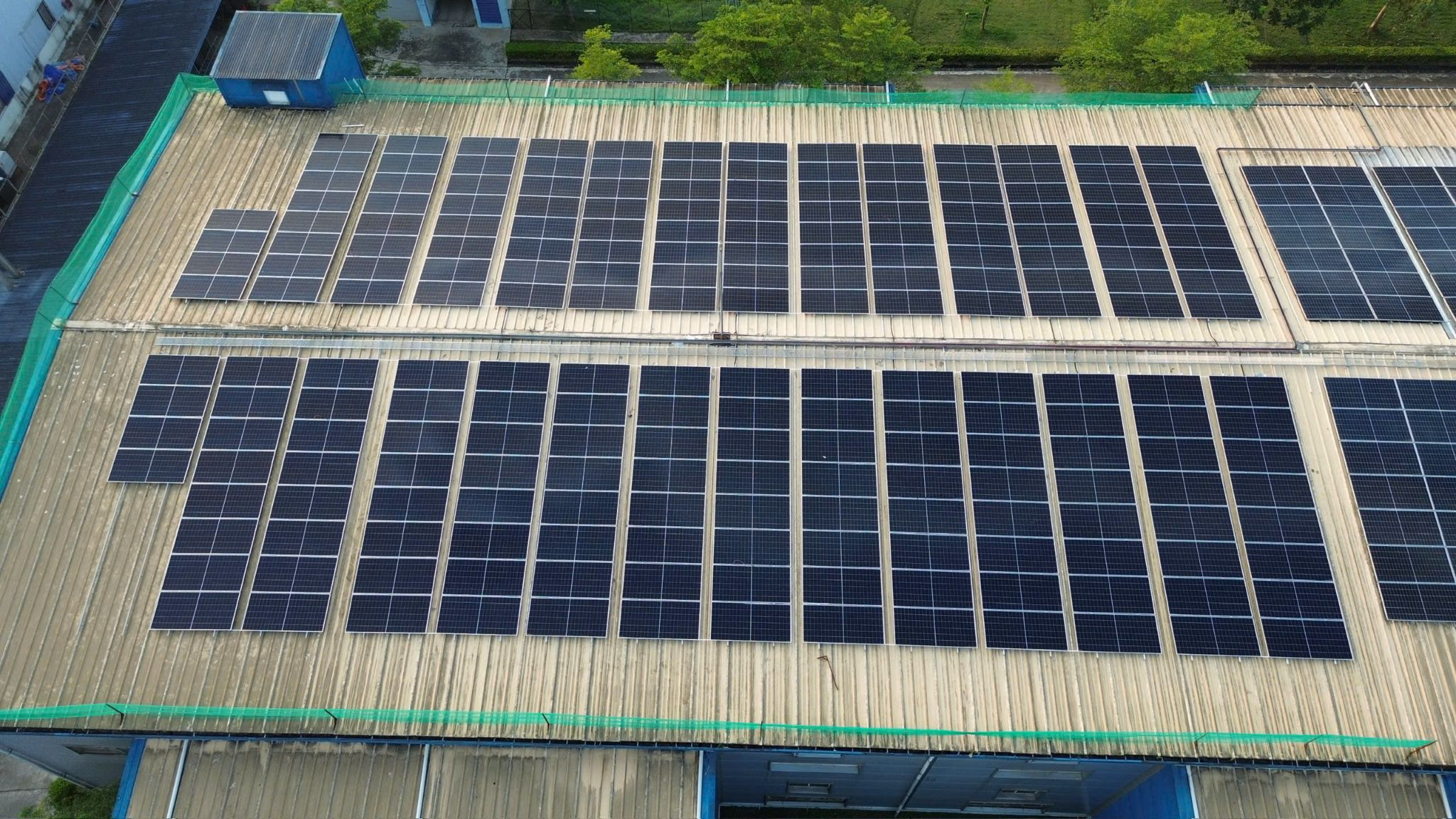
Three years after completing Phase 1, Hài Mỹ Phú Thọ is continuing to expand the solar power system at its factory. From 1.52 MWp in 2023 to approximately 804 kWp of additional capacity in Phase 2, the story is not simply about adding more capacity. It also shows how an energy transition can be built step by step, based on a company’s actual needs and operating conditions.
From 1.52 MWp to the next investment phase Operating in the footwear manufacturing sector in Phú Thọ, Hài Mỹ Phú Thọ Industrial Co., Ltd. is a foreign-invested enterprise. Given the characteristics of the footwear industry, energy is increasingly linked not only to operational efficiency but also to sustainability requirements across the supply chain.
In 2023, Hài Mỹ Phú Thọ completed Phase 1 of its solar power system, with a capacity of approximately 1.52 MWp. Three years later, the company is continuing its journey with SolarBK through Phase 2, adding approximately 804 kWp and bringing the combined capacity of the two phases to around 2.33 MWp.
Phase 2 alone is expected to generate approximately 890 MWh of electricity per year, corresponding to an estimated reduction of around 587 tonnes of CO₂ emissions annually, based on Vietnam’s grid emission factor.
What stands out is not only the additional capacity, but also the three-year interval between the two phases. Solar power, initially introduced as an investment project, is gradually being expanded as part of the energy infrastructure supporting the factory’s operations.
This also reflects a practical approach to factory decarbonization: the transition does not necessarily have to happen all at once; it can be built through specific investment decisions that continue and evolve over time.
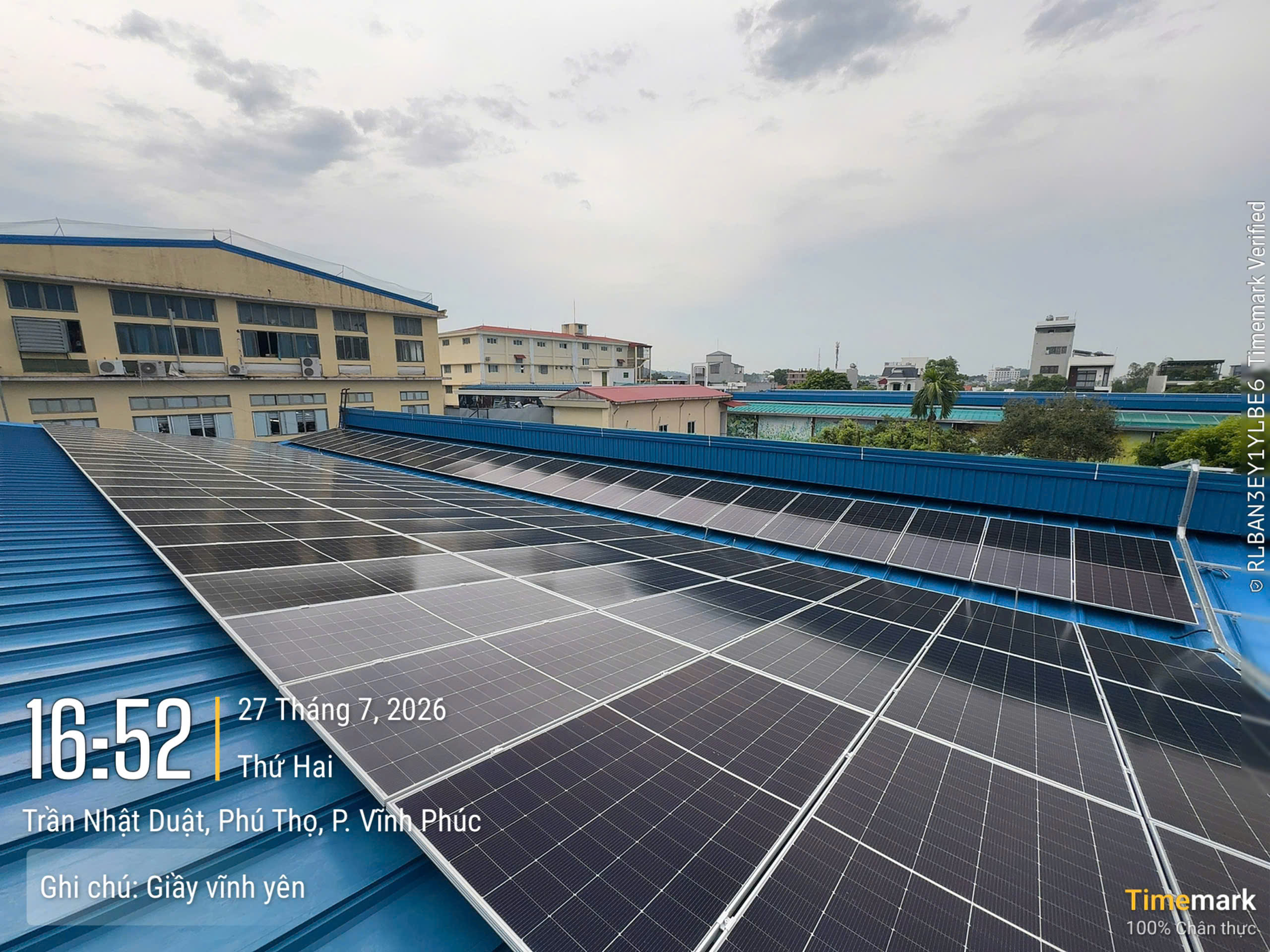
Phase 2 continues to use IREX solar modules, making use of existing rooftop space to generate electricity directly at the point of consumption.
When an energy system must fit an operating factory Behind an industrial solar power system, there is more than installed capacity and electricity output. Every solution must begin with the actual condition of the facility and the way the factory operates.
At Hài Mỹ Phú Thọ, Phase 2 is being implemented across four separate factory rooftop areas. Site surveys identified one roof section where the existing metal roofing needed to be replaced because its condition no longer met project requirements, while several other areas required structural reinforcement before the solar system could be installed.
All of this work is taking place while the factory remains in operation. Material staging, workforce deployment, movement between work areas and rooftop installation therefore need to be carefully coordinated to minimize disruption to production activities below.
Weather conditions in northern Vietnam add another layer of complexity. Periods of rain during project implementation directly affect rooftop work. Construction schedules therefore need to be adjusted according to actual conditions, with work intensified during favorable weather windows to compensate for weather-related interruptions.
For a project such as Hài Mỹ Phú Thọ, progress is therefore not measured simply by installation speed. It requires a balance between safety, quality, schedule and the factory’s ability to maintain ongoing production.
This is also where the capability of an implementation partner becomes particularly important: not simply installing a system on a rooftop, but integrating that system into an operating manufacturing environment in a way that is appropriate for both the facility and the company’s operations.
Clean energy as part of a factory’s green transition roadmap As an industry deeply integrated into international supply chains, footwear manufacturing is facing increasingly clear expectations for sustainable production. Alongside quality, cost and delivery capabilities, energy use and emissions management are also becoming increasingly important elements of the manufacturing sector’s transition.
In this context, rooftop solar creates change directly where energy is consumed: turning existing rooftop space into an on-site source of electricity for factory operations.
The Hài Mỹ Phú Thọ project also builds on SolarBK’s experience in the footwear and related materials industries, including projects such as Creative Source Vietnam in Thái Bình – 3.63 MWp; Jim Brother’s in Bình Dương – 1 MWp; Tong Hong Tannery in Bà Rịa – Vũng Tàu – 460 kWp; Bách Năng in Quảng Ninh – 388 kWp; and Vĩnh Yên Footwear – 815 kWp.
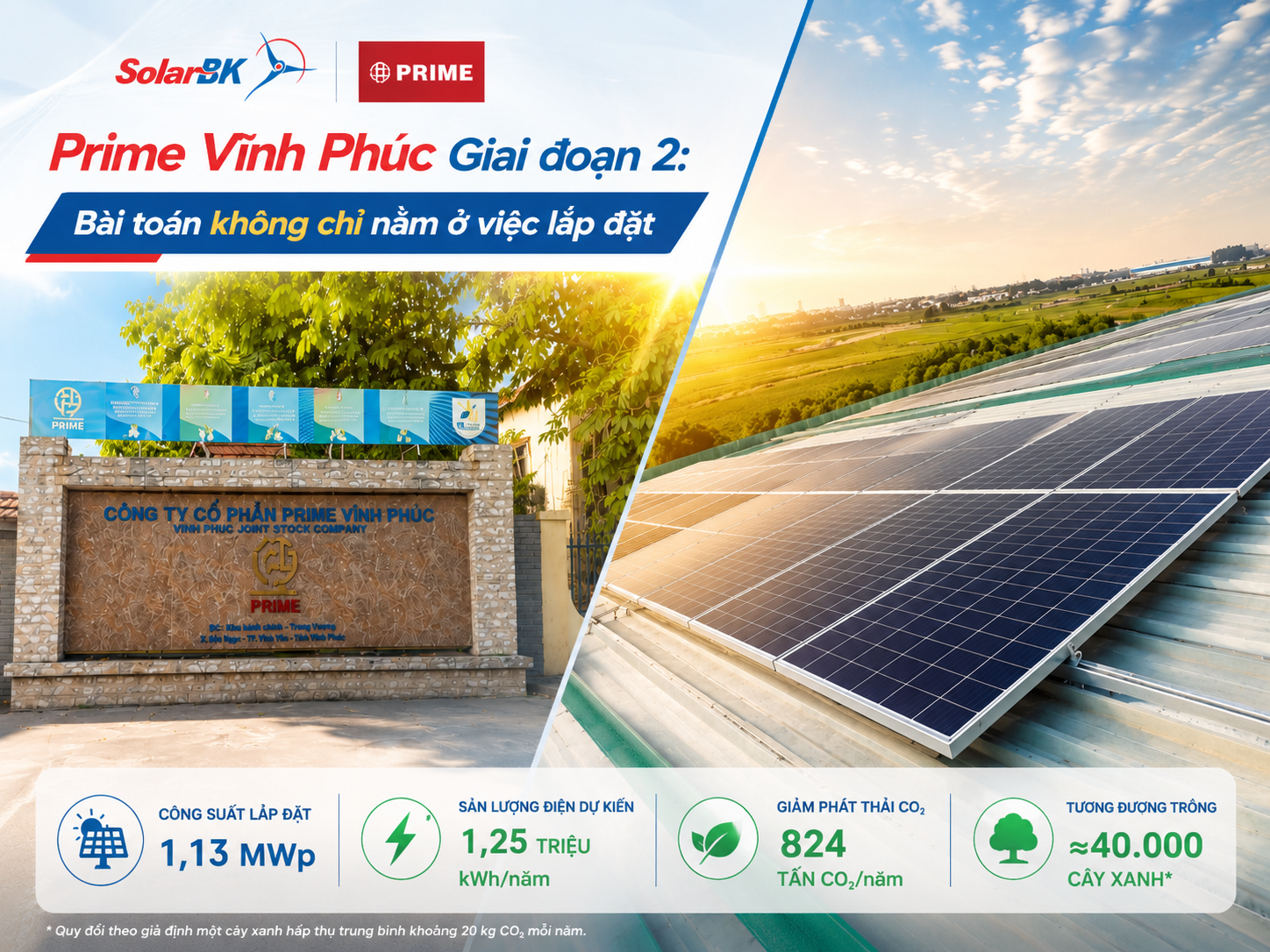
From a geographical perspective, the project further strengthens SolarBK’s presence across Phú Thọ, Vĩnh Phúc and the northern industrial region. Representative projects include the Prime project portfolio in Thái Nguyên and Vĩnh Phúc, with a combined capacity of approximately 8.6 MWp, including an additional 1.13 MWp expansion at Prime Vĩnh Phúc in 2026; TASA Ceramic in Phú Thọ – 8.7 MWp; as well as solar systems at Vincom Việt Trì and Vincom Phú Thọ.
These projects differ in industry, scale and operating conditions, but they point to the same principle: there is no one-size-fits-all energy solution for every factory. Each system must begin with the facility’s actual conditions, electricity demand and specific production requirements.
Returning to Hài Mỹ Phú Thọ, the journey from 1.52 MWp in 2023 to an additional 804 kWp three years later shows that a green transition is no longer simply the story of a single project. It can be built step by step, with each phase delivering measurable value in energy generation and emissions reduction while creating a foundation for the next stage.
Is your business building a green energy roadmap for its factory? SolarBK supports businesses from site assessment to solution design and implementation, with solutions tailored to each stage of the transition.