Inheriting research & development background since 1975, SolarBK is proud to be a pioneer in laying the groundwork for clean energy industry in Vietnam and is now a leading company in this field.
To carry out the mission of applying clean energy into everyday life, we have researched and developed many solutions to make Solar power energy more diverse, convenient and cheaper.
Energy Management: From Cost Control to Competitive Capability
Publish date 17/12/2025
Share
For many years, electricity has been viewed primarily as a cost to be controlled. For many businesses, energy management has meant monitoring monthly electricity bills, comparing consumption levels, and cutting usage when costs increase. This approach was once suitable in a stable production environment with limited volatility in the energy market.
However, as requirements for operational efficiency, sustainability, and emissions reduction become increasingly prominent, many businesses are realizing that simply “reading the electricity bill” is no longer sufficient. Energy is no longer just a cost item; it has become a variable that directly affects operational performance and long-term competitiveness. From this reality, energy management is emerging as a strategic shift in business thinking.
Energy management: A shift in perspective
Traditional energy cost management is reactive in nature. Businesses only see the outcome after energy has already been consumed. This approach makes it difficult to answer strategic questions such as how energy demand will evolve as production expands, where peak loads occur, or how efficiently existing systems are operating.
As production processes become more complex, the lack of real-time data and analytical tools creates challenges in optimizing operations. Decisions related to renewable energy investments or efficiency improvements are often made in isolation, without a comprehensive management framework, resulting in outcomes that do not fully justify the resources invested.
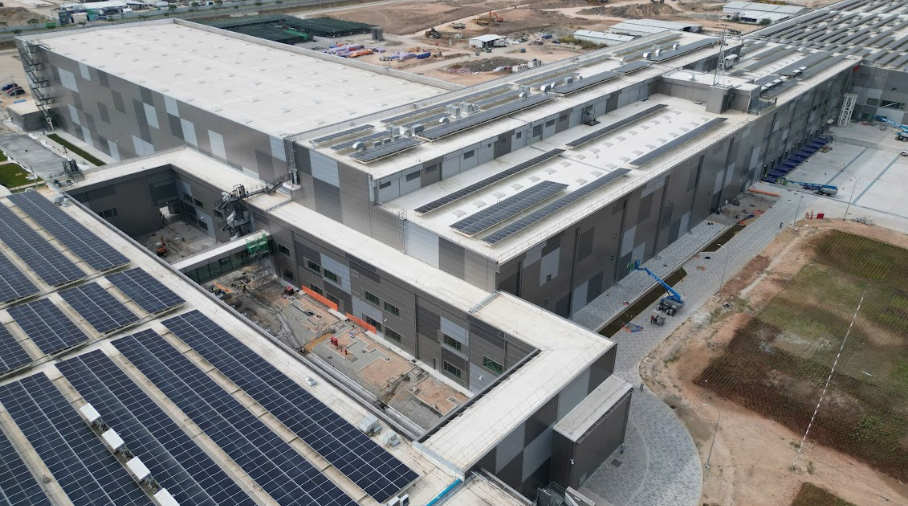
SolarBK partners with LEGO at the world’s first carbon-neutral factory.
Unlike cost control, energy management focuses on forecasting, monitoring, and optimization. It treats energy as an integral part of operational systems, requiring continuous oversight and data-driven decision-making.
This approach enables businesses to better understand energy consumption patterns over time and across production stages, allowing for more effective load distribution and improved efficiency. More importantly, energy management helps organizations proactively adapt to long-term changes in the energy market and regulatory environment, rather than relying on short-term pricing mechanisms or adjustments.
When energy becomes part of operational strategy
Practical experience from large-scale industrial projects shows that solar power is no longer approached as a standalone add-on solution. Instead, renewable energy is integrated into a broader operational ecosystem, addressing production stability, load management, and long-term optimization.
At the LEGO Manufacturing Vietnam facility in Binh Duong, announced as one of LEGO Group’s most sustainability-driven factories globally, energy planning goes beyond the use of clean electricity. Solar power is integrated as a component of a comprehensive energy system, requiring careful load analysis, compatibility with existing infrastructure, and continuous monitoring and optimization throughout the facility’s lifecycle. SolarBK participated in the project by providing technical solutions and supporting an energy management approach aligned with LEGO’s global operational standards. The focus was not on system size, but on integration, control, and long-term optimization.
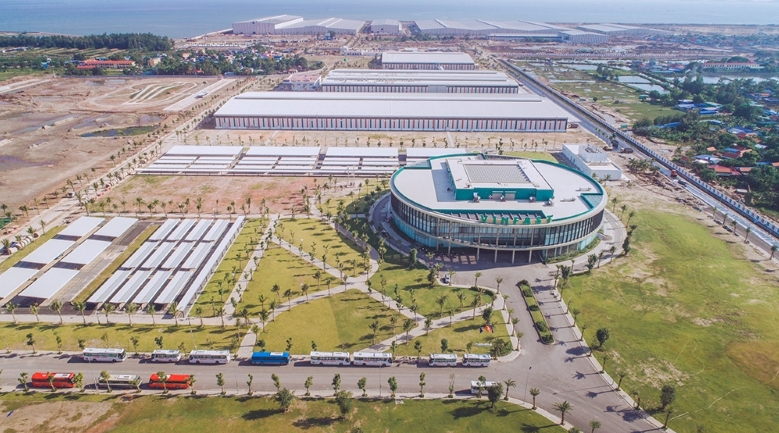
A similar approach applies to the VinFast manufacturing complex in Hai Phong, where energy management is essential due to large-scale industrial operations and continuous production demands. According to information published by SolarBK, rooftop solar systems with a total capacity of approximately 30 MWp were implemented at the VinFast facility. In this context, the primary challenge was not installed capacity, but seamless integration with existing infrastructure to ensure stable and uninterrupted production. Here, solar energy contributes not only to clean power supply but also to greater energy autonomy and long-term operational optimization.
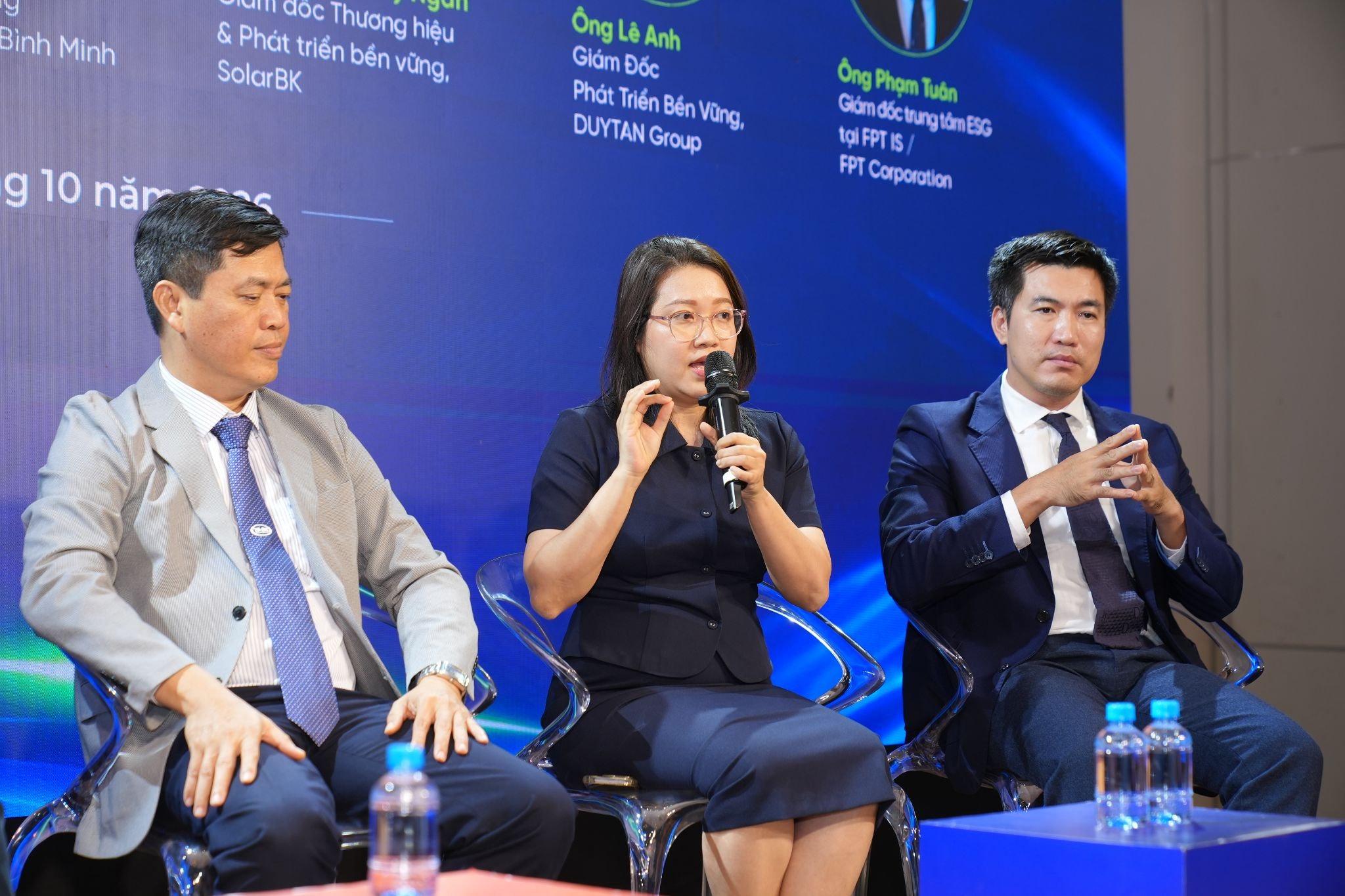
Drawing from these projects, SolarBK approaches energy as a holistic management challenge, where technology represents only part of the solution. Through professional activities and industry forums, SolarBK emphasizes that a sustainable energy transition can only be achieved when businesses shift their mindset from cost control to energy management.
At the VinFast Hai Phong plant, energy is addressed within the context of large-scale industrial production, characterized by high operational intensity and continuous demand.
From cost to operational capability
Transitioning from electricity cost management to energy management is a process, not an overnight change. It requires investment in data, technology, and—most importantly, a willingness to adapt operational thinking.
In the context of energy transition and evolving regulatory frameworks, the difference between businesses lies not in whether they adopt renewable energy, but in whether they manage energy as a short-term cost or as a strategic operational capability. This distinction may not produce immediate results, but it will define competitiveness and resilience over the next five to ten years.
Energy management is not just about cost, it is a strategic choice. SolarBK shares practical experience and solutions to help businesses gradually transform their mindset and operational capabilities in the new energy era.