Inheriting research & development background since 1975, SolarBK is proud to be a pioneer in laying the groundwork for clean energy industry in Vietnam and is now a leading company in this field.
To carry out the mission of applying clean energy into everyday life, we have researched and developed many solutions to make Solar power energy more diverse, convenient and cheaper.
SolarBK – Banpu NEXT – Amata sign 227 MWp rooftop deal; BESS becomes core infrastructure as green industrial parks accelerate in November
Publish date 01/12/2025
Share
November 2025 saw major shifts in Vietnam’s energy landscape: the large-scale EPC–ESCO cooperation model between SolarBK – Banpu NEXT – Amata officially kicked off; battery energy storage systems (BESS) were emphasized as “mandatory infrastructure” in a renewable-heavy grid; and a series of green–eco industrial parks (IPs) moved from concept to concrete implementation.
This context presents both opportunities and pressures for manufacturers, while underscoring the rising role of domestic players in the clean-energy ecosystem.
1. POLICY & MARKET
Rooftop solar enters a new era of “compliance discipline”
According to Báo Công Thương and Vietnam Energy Magazine: In November, the Ministry of Industry and Trade (MOIT) continued seeking feedback on the draft decree on administrative penalties in the power sector. A key highlight is the proposed sanctions on behind-the-meter rooftop solar systems that are grid-connected but not registered, or that fail to comply with metering and dispatching requirements.
The proposed fines scale with system capacity, reflecting a shift toward governing distributed sources through data, procedures, and operational discipline — instead of incentive-driven mechanisms seen in previous years.
2026 national power system operation method finalized
On November 28, MOIT issued Decision 3477/QĐ-BCT approving Vietnam’s power system operation method for 2026 (Vietnam Energy Magazine). The method is built on an economic growth scenario above 10%, with the National Load Dispatch Center (NSMO) empowered to adjust dynamically based on load demand, hydrology and progress of power sources and grid infrastructure.
The early finalization of the 2026 operation method signals stronger system discipline, especially as renewables continue to grow in share.
2. INFRASTRUCTURE – SUPPLY – OPERATIONS
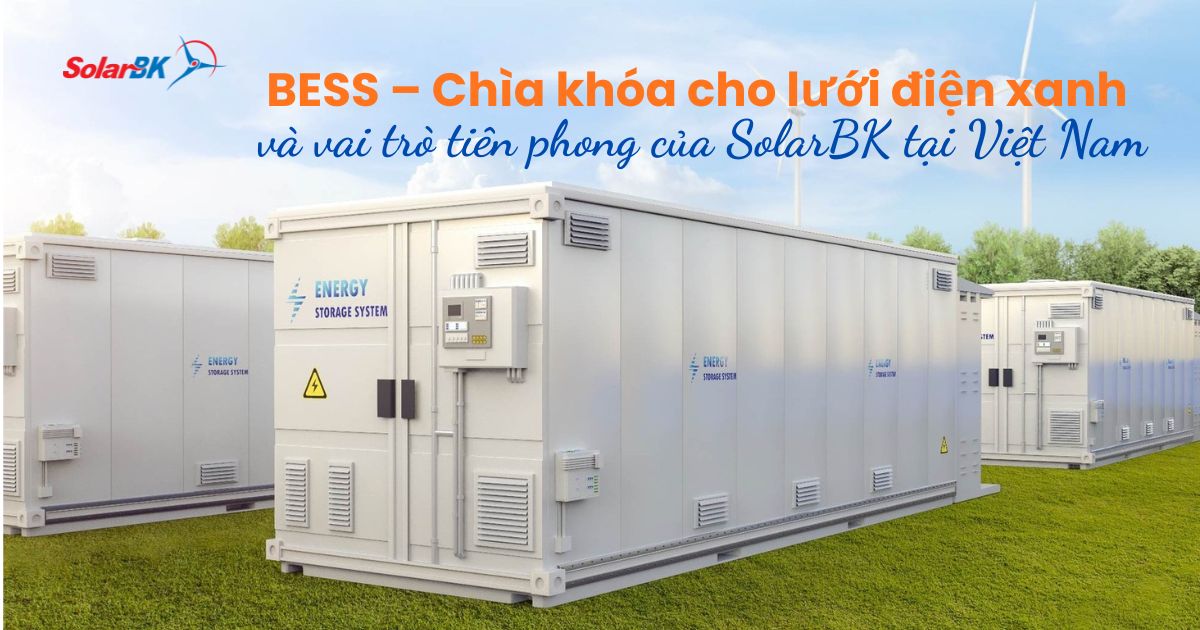
BESS emerges as the new “backbone” of energy security
At the Vietnam Energy Week 2025, experts quoted by Báo Công Thương, Vietnam News Agency, and Vietnam Energy Magazine shared one common view: battery energy storage (BESS) has moved beyond the role of an “auxiliary device” to become a critical component of the modern power grid.
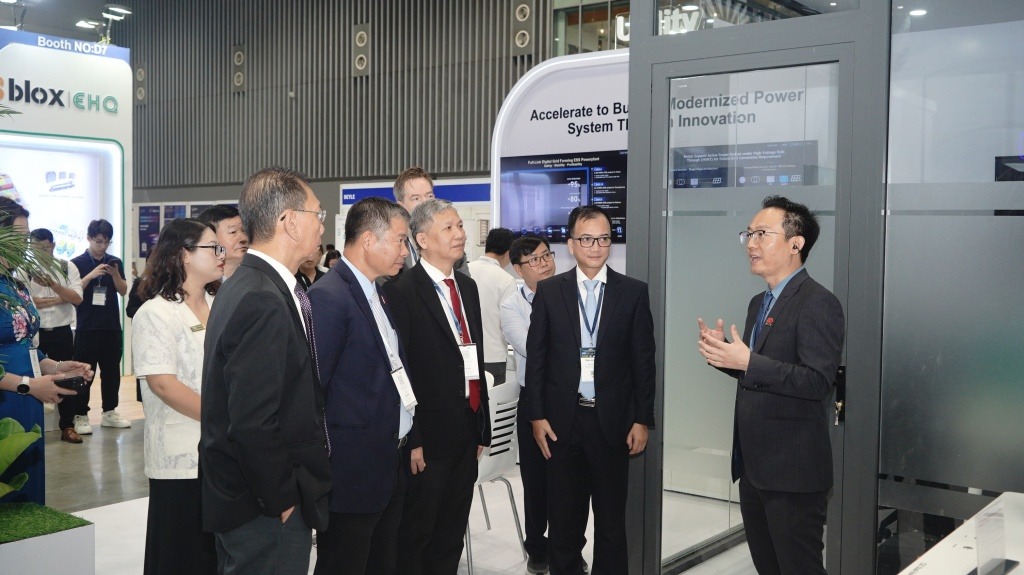
Businesses are increasingly focused on modern manufacturing technologies.Photo: Tax & Customs Magazine
As renewable penetration increases, BESS enables better absorption of variable generation, reduces the need for curtailment, and alleviates transmission congestion during peak hours.
Analysts also noted that with renewable energy potentially reaching 20–25% by 2030, BESS will almost certainly become a mandatory element in system design and operation.
This trend also unlocks significant potential for rooftop solar + BESS models in commercial–industrial (C&I) zones — especially in multi-shift industrial parks where stable load profiles and peak-cost reduction are increasingly critical.
3. GREEN – ECO INDUSTRIAL PARKS
HCMC accelerates planning of 6,500–6,800 ha of green industrial space
According to the Government Portal and Báo Đầu tư, HCMC is expediting the development plan for 6,500–6,800 hectares of new industrial land through 2030.
Unlike traditional approaches, the city now positions future industrial space as “green – smart”, prioritizing data centers, semiconductors, low-emission industries, and production clusters directly tied to clean electricity and integrated energy infrastructure.
The overall target is to attract USD 20–21 billion in new-generation FDI. Infrastructure investors will be required to meet clear standards on renewable energy, environmental treatment, energy management and integration of green-production models.
Experts consider this a decisive shift indicating that “green infrastructure” is now a mandatory benchmark in investment competitiveness.
Southern industrial parks emerge as pioneers in green transformation
Báo Đầu tư and Thời báo Tài chính Việt Nam reported that several southern IPs are becoming early adopters of green transition models.
The Phu My 3 Specialized IP (Ba Ria–Vung Tau) is recognized as meeting most of the 21 eco-IP criteria under Decree 35/2022 and Circular 05/2025, thanks to its integrated port–industry–energy planning and advanced environmental systems.
Meanwhile, Thành Thành Công IP is scaling rooftop solar, water-recycling systems and automated environmental monitoring, while Hiệp Phước IP promotes an integrated industry–urban–port–energy model to attract high-tech FDI.
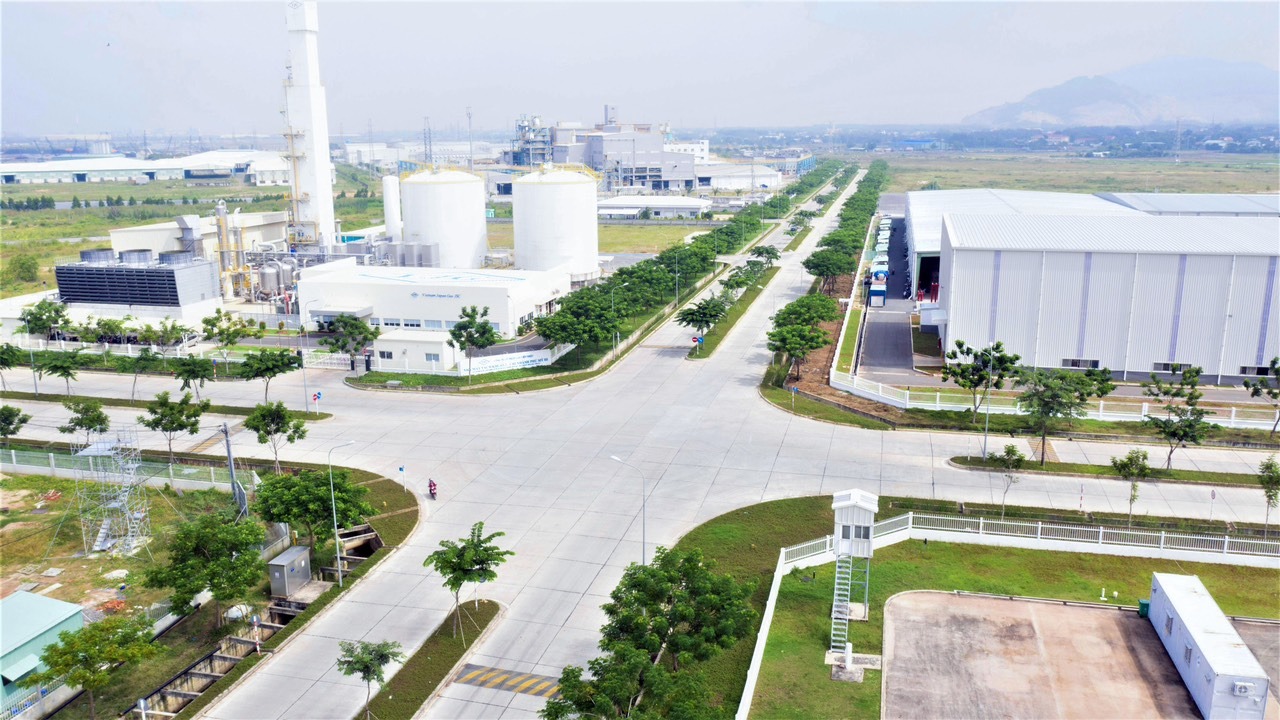
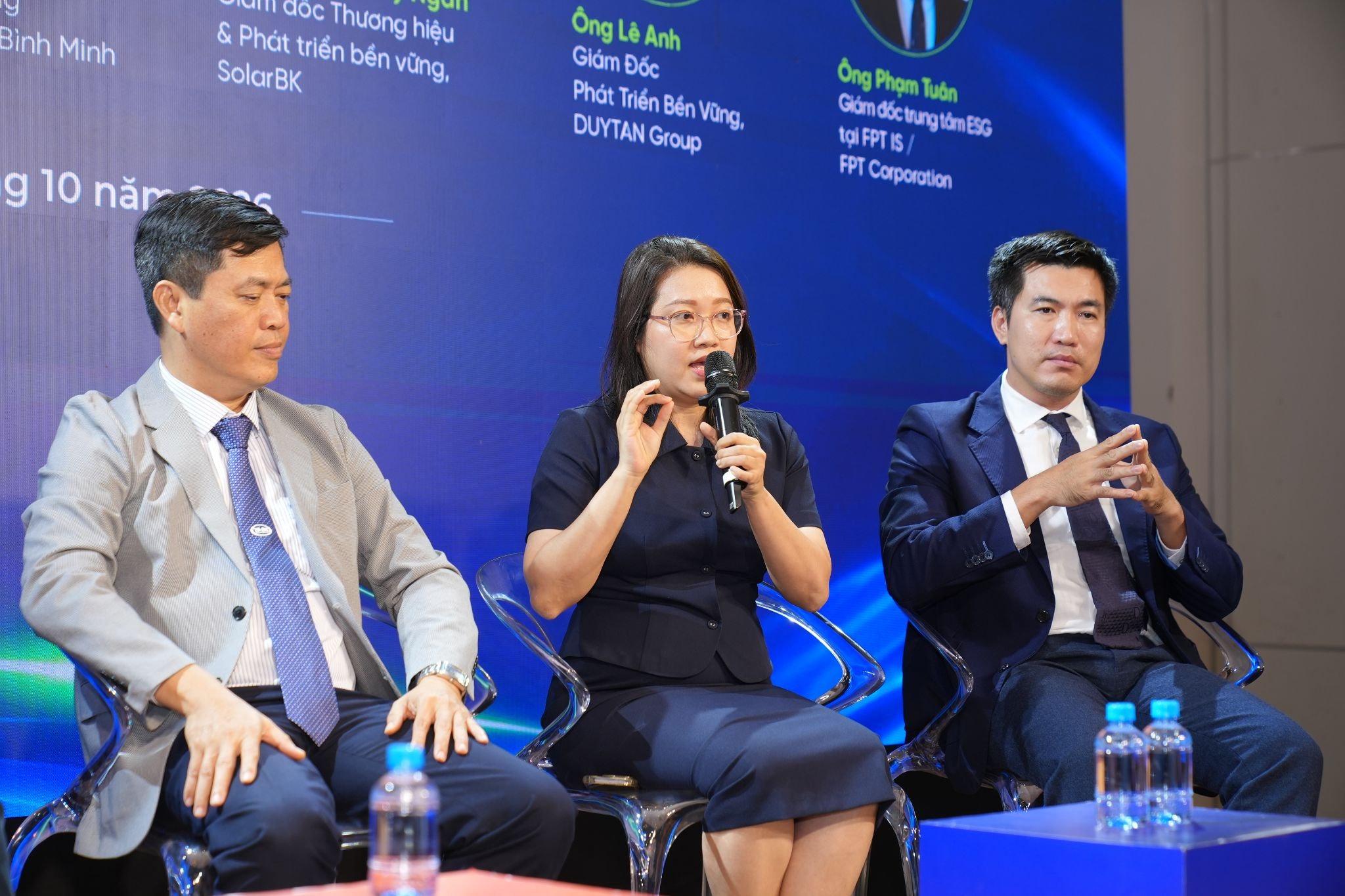
Industrial parks today are required to meet stringent green-transition standards.
These developments show that “green IPs” have moved beyond orientation to become practical infrastructure, closely linked with solar rooftops, BESS systems and ESCO/PPA models in energy governance.
4. INTERNATIONAL & PARTNERS
South Korea mandates rooftop solar in all public parking facilities
From late November, South Korea requires all public parking facilities to install rooftop solar systems (VietNamNet News). The policy reflects a global trend of transforming “dead space”, parking roofs, warehouses, factory rooftops, into strategic clean-energy assets, aligned with SolarBK’s carport-energy and rooftop logistics initiatives in Vietnam.
French green hydrogen firm announces USD 500 million investment plan in Vietnam
HDF Energy, a French green-hydrogen developer, announced plans to invest around USD 500 million into green energy and transport projects in Vietnam.
The capital is expected to fund green hydrogen and green ammonia projects, renewable-energy solutions for industrial parks, and clean-transport infrastructure spanning seaports, waterways and urban rail.
If implemented, this move could catalyze a new phase for Vietnam’s green-hydrogen sector, diversifying energy sources, cutting emissions and strengthening domestic clean-tech capability.
VinFast continues to be recognized across Southeast Asia
According to VnExpress and CNBC Indonesia: In November, VinFast was named “Pioneer Brand in Green and Sustainable Transition” in Indonesia, alongside expanding its financial-partnership network to accelerate EV adoption.
This reinforces the interconnected rise of clean transport and clean energy infrastructure.
5. SOLARBK HIGHLIGHTS
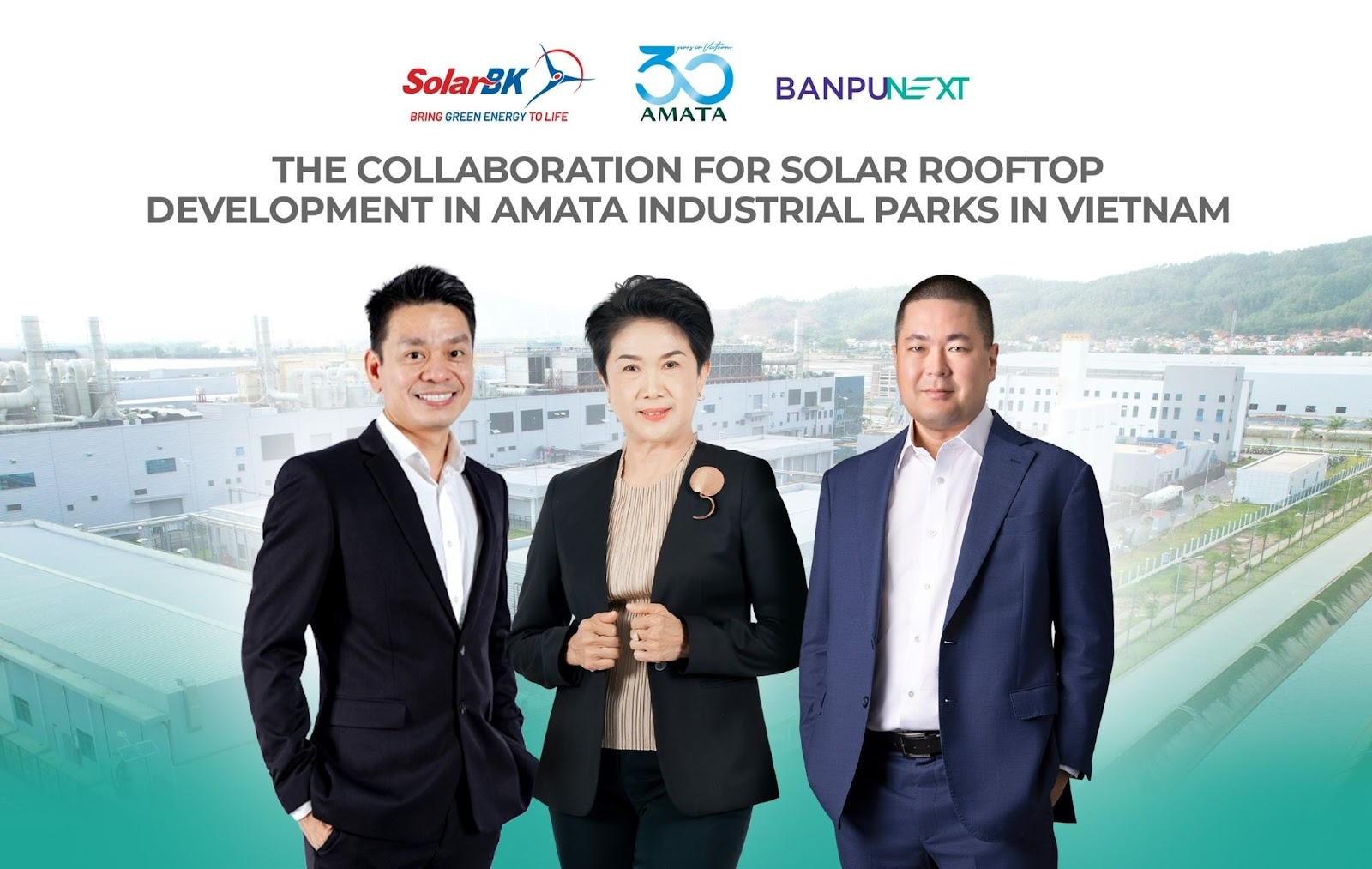
SolarBK – Banpu NEXT – Amata sign 227 MWp rooftop cooperation
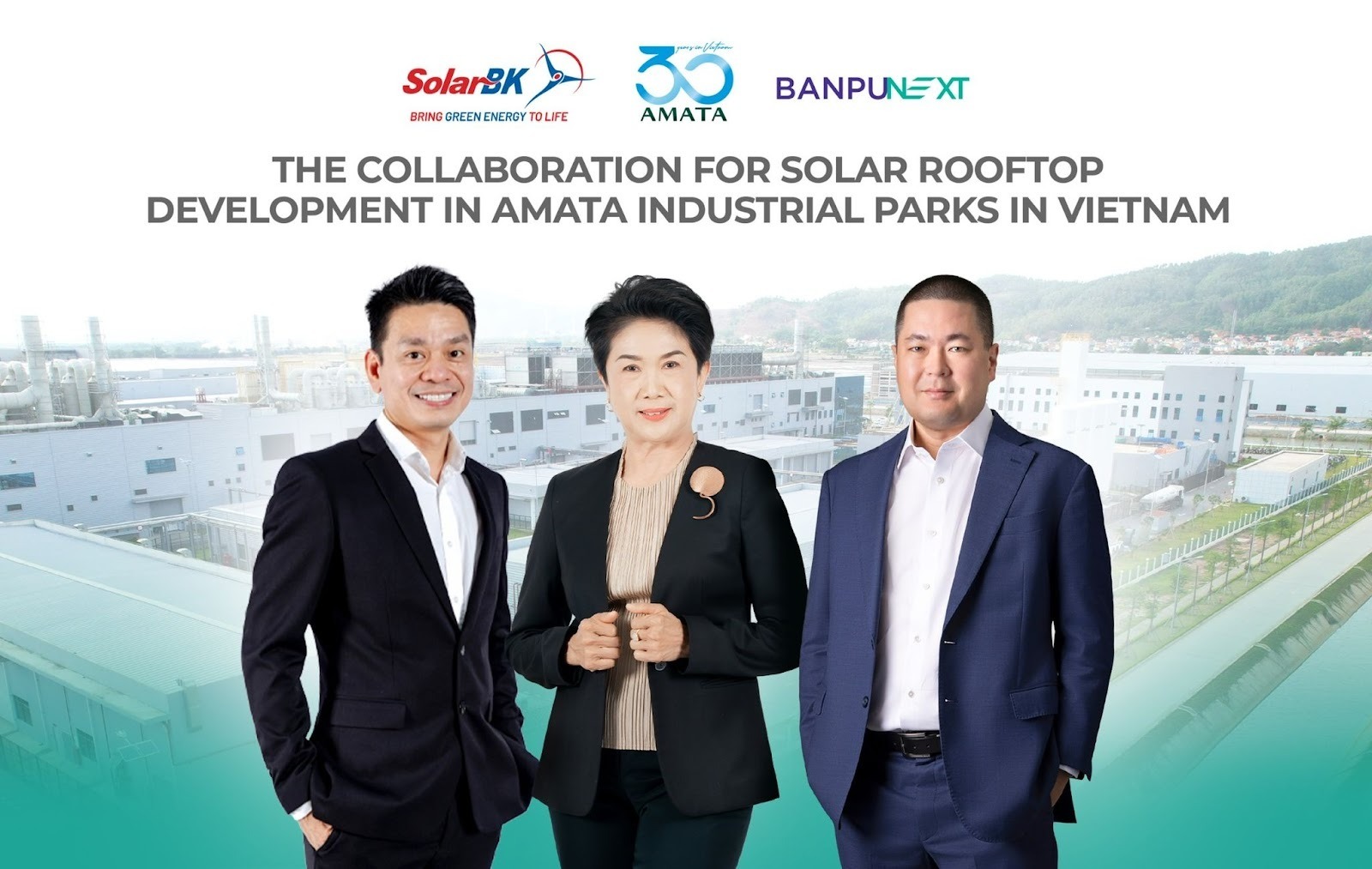
On November 3, SolarBK, Banpu NEXT and Amata Vietnam announced a strategic partnership to develop 227 MWp of rooftop solar at Amata City Ha Long and Amata City Long Thanh, among the largest C&I rooftop agreements signed in 2025.
Set to begin deployment in early 2026, the project will provide on-site clean power for factories in Amata IPs, supporting Vietnam’s Net Zero 2050 goals and reducing grid pressure in concentrated manufacturing zones.
This cooperation goes beyond a single energy project: it marks a new model linking industrial-park developers, energy-solution providers and technology investors.
VinFast was honored as the “Pioneer Brand in Green and Sustainable Transition” in Indonesia, while SolarBK – Banpu NEXT – Amata officially signed a cooperation agreement to develop 227 MWp of rooftop solar across key industrial zones.
For Amata, large-scale rooftop power elevates green-infrastructure standards, strengthens FDI competitiveness and aligns with global supply-chain decarbonization demands.
For Banpu NEXT, the initiative expands its clean-energy portfolio in Vietnam, solidifying its position as a leading Net Zero solution provider in the Asia–Pacific region.
For SolarBK, it underscores nearly 20 years of renewable-energy expertise, integrating design – EPC – monitoring – O&M – ESCO/PPA financing.
In a context where manufacturers face rising electricity costs, ESG and CBAM pressures and risks of capacity shortages, this 227 MWp initiative helps define a new industrial-energy model: on-site clean power + digital energy management + flexible investment structures.
SolarBK CEO shares 20-year clean-energy journey on HTV
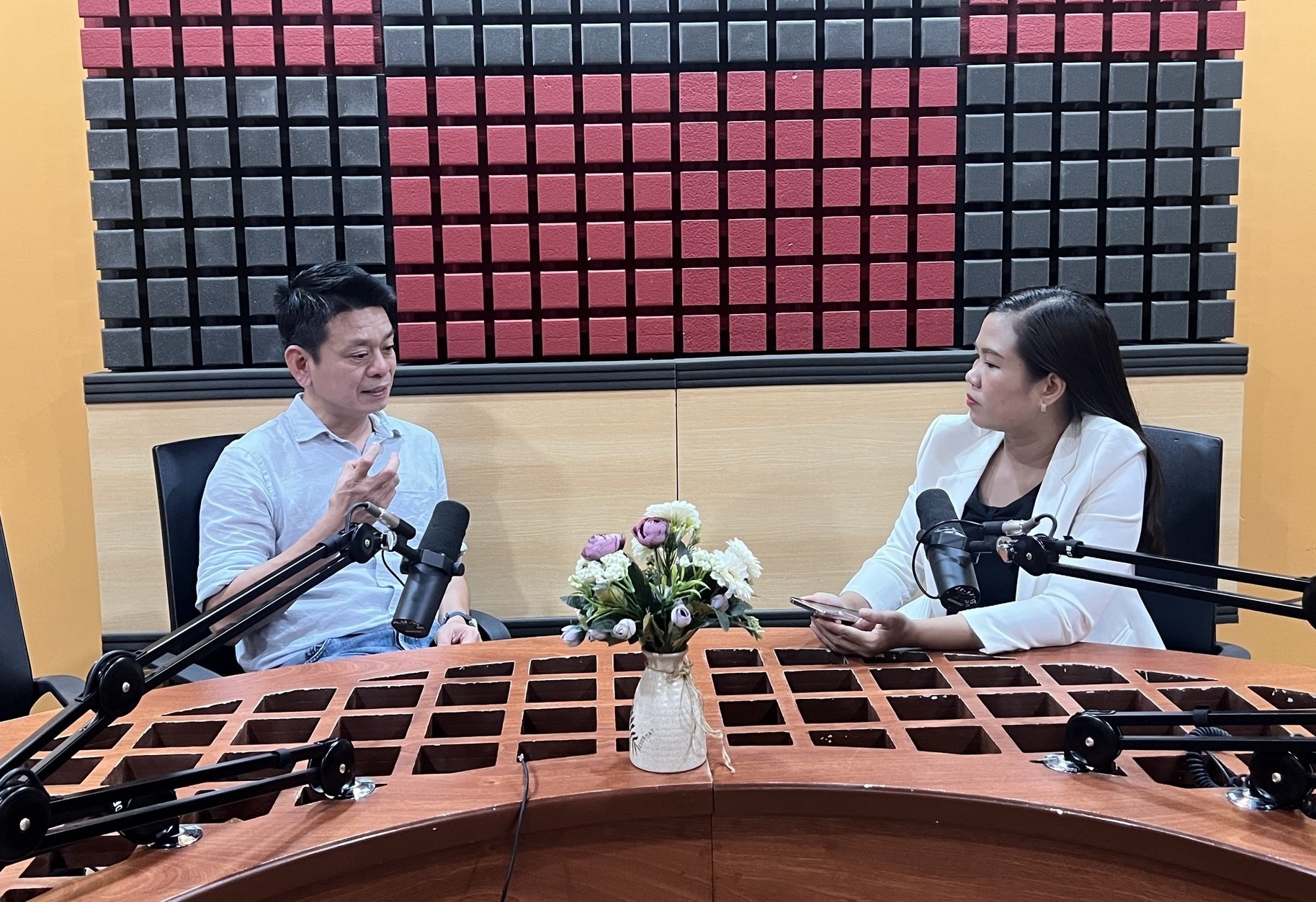
In November, SolarBK CEO Nguyen Duong Tuan appeared on HTV’s “For a Green Life”, sharing the company’s 20-year journey bringing clean energy “from the lab into daily life.” From early days of policy uncertainty to the post-FIT “ice age”, he emphasized SolarBK’s guiding philosophy: “steadfastness to go far” — maintaining integrity, technological rigor and unwavering commitments to customers.
He also affirmed that Vietnam’s clean-energy sector is entering a new Net Zero 2050 chapter where Vietnamese engineers can master technologies, deliver large-scale projects and contribute meaningfully to the green transition. His message reflects SolarBK’s role not only as a business, but as a pioneering symbol of Vietnam’s renewable-energy movement.
Mr. Nguyễn Dương Tuấn, CEO of SolarBK, also appeared on HTV’s program “For a Greener Life”
6. END-OF-MONTH INSIGHTS
November 2025 reflects a more defined phase of Vietnam’s energy transition:
• Distributed sources like rooftop solar are being “disciplined” with mandatory registration, metering and dispatch; • Green industrial parks are moving from concept to concrete implementation with renewable energy, environmental data and ESCO models as compulsory criteria; • BESS is rising as strategic infrastructure to stabilize the grid and optimize loads as renewables grow.
At the intersection of these trends, SolarBK, through its 227 MWp cooperation with Banpu NEXT and Amata, combined with ERIS, EPC–ESCO capabilities and industrial-project portfolio, is solidifying its role as a green-energy architect for factories and industrial parks entering the mandatory transition phase from 2026.