Inheriting research & development background since 1975, SolarBK is proud to be a pioneer in laying the groundwork for clean energy industry in Vietnam and is now a leading company in this field.
To carry out the mission of applying clean energy into everyday life, we have researched and developed many solutions to make Solar power energy more diverse, convenient and cheaper.
Korean Companies Accelerate Their Green Transition in Vietnam
Publish date 05/06/2026
Share
As global export markets continue to raise the bar on sustainability requirements, energy transition is becoming an increasingly important part of the competitive strategy of Korean manufacturers operating in Vietnam.
With approximately 10,000 Korean businesses active across sectors ranging from textiles and electronics to supporting industries and biotechnology, the Korean business community remains one of the most influential foreign-invested groups in Vietnam's manufacturing landscape. As a result, changes in the way these companies manage energy consumption often reflect broader trends within global supply chains.
Rather than viewing rooftop solar solely as a cost-saving solution, more companies are now adopting renewable energy as a strategic tool to optimize operations, reduce carbon emissions, and strengthen their ability to meet increasingly demanding ESG requirements from international customers.
Notably, within the Korean business community, investment decisions are rarely driven by advertising alone. Proven operational performance and recommendations from peers often carry far greater weight.
When Proven Performance Builds Trust
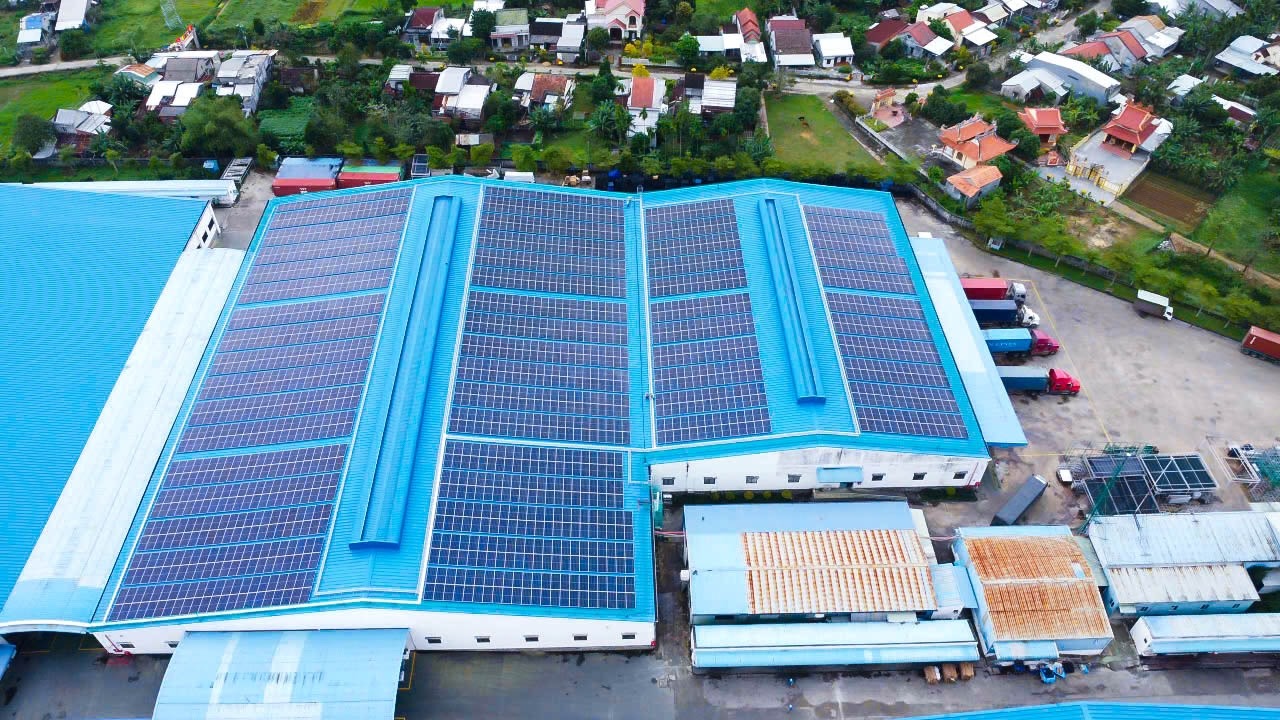
One of the most notable examples is Sedo Vinako, a member of Korea's Sedo Camping Group.
Its 1,624.7 kWp rooftop solar system, developed by SolarBK, currently helps the company save approximately VND 2 billion in electricity costs annually, reduce around 1,600 tons of CO₂ emissions, and generate about 2,300 I-REC renewable energy certificates each year.
One of the most notable examples is Sedo Vinako, a member of Korea's Sedo Camping Group.
For export-oriented manufacturers, these benefits go beyond energy savings. Renewable energy certificates provide greater transparency in renewable energy usage while supporting compliance with increasingly stringent sustainability expectations from international markets.
According to Mr. Kim Byung Tae, Factory Director of Sedo Vinako, the company is willing to recommend the solution to other group members after witnessing its stable performance and tangible benefits.
In the FDI sector, where investment decisions are carefully evaluated in terms of both efficiency and risk, customer endorsement often serves as a more powerful validation than any marketing message. The successful operation of the Sedo Vinako project has become an important trust-building milestone for SolarBK within the Korean business community.
From Sedo Vinako to a Broader Green Manufacturing Movement
Another notable observation is that these projects are concentrated in Central Vietnam, a region that is attracting increasing investment from Korean manufacturers in sectors such as textiles, supporting industries, advanced materials, and biotechnology.
As industrial zones across Da Nang, Quang Nam, and Quang Ngai continue to expand, energy optimization, carbon reduction, and ESG compliance are becoming strategic priorities for many businesses operating in the region.
If Sedo Vinako represents the beginning of trust, PNS Chun demonstrates how that trust can be replicated.
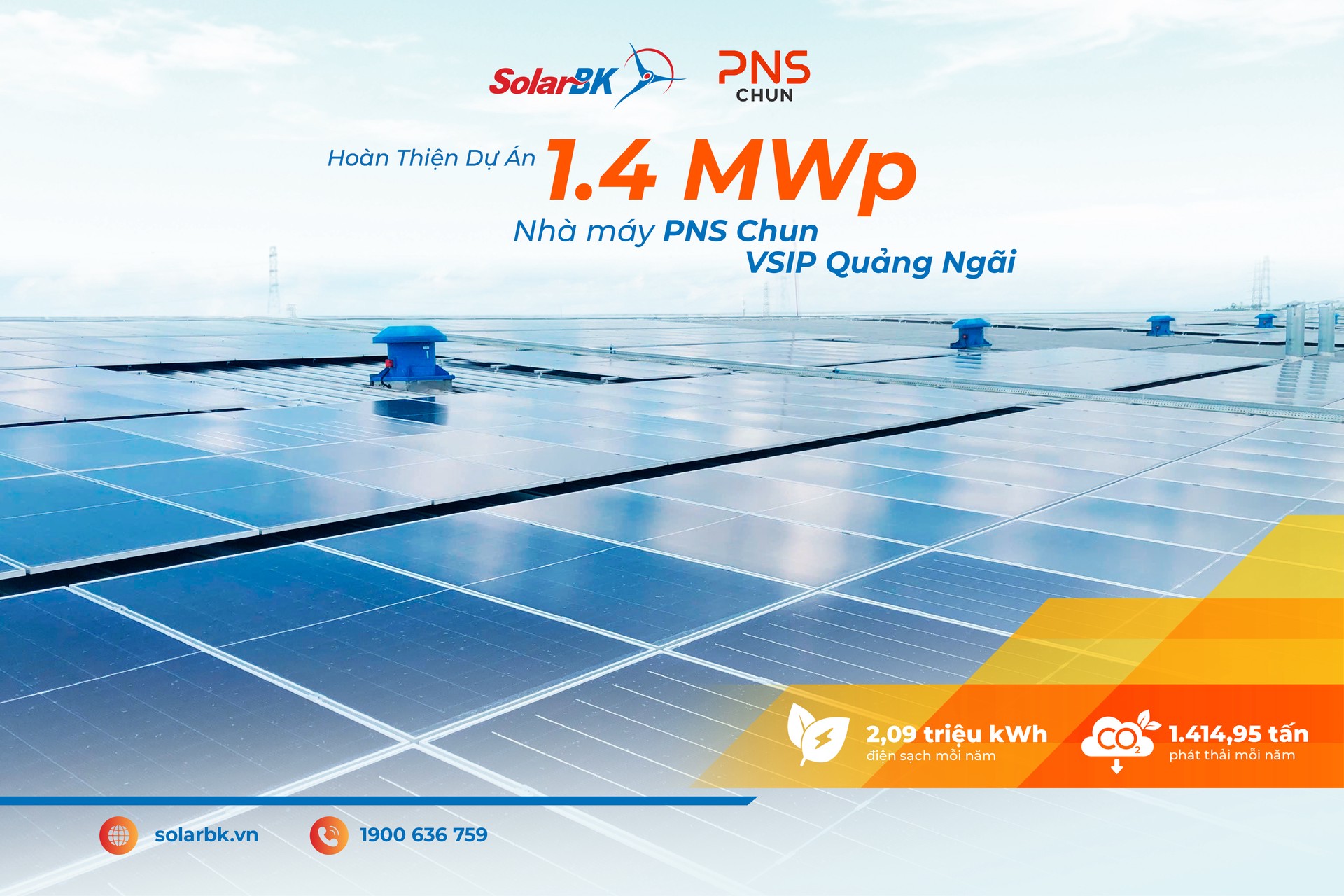
As another member of the Sedo Camping Group, PNS Chun selected SolarBK to deploy a rooftop solar system at its facility in VSIP Quang Ngai Industrial Park. The project is expected to generate approximately 2.09 million kWh of clean electricity annually while reducing more than 1,400 tons of CO₂ emissions each year.
The decision highlights how a successful project can evolve beyond a single facility and become a model for broader adoption across an entire manufacturing ecosystem.
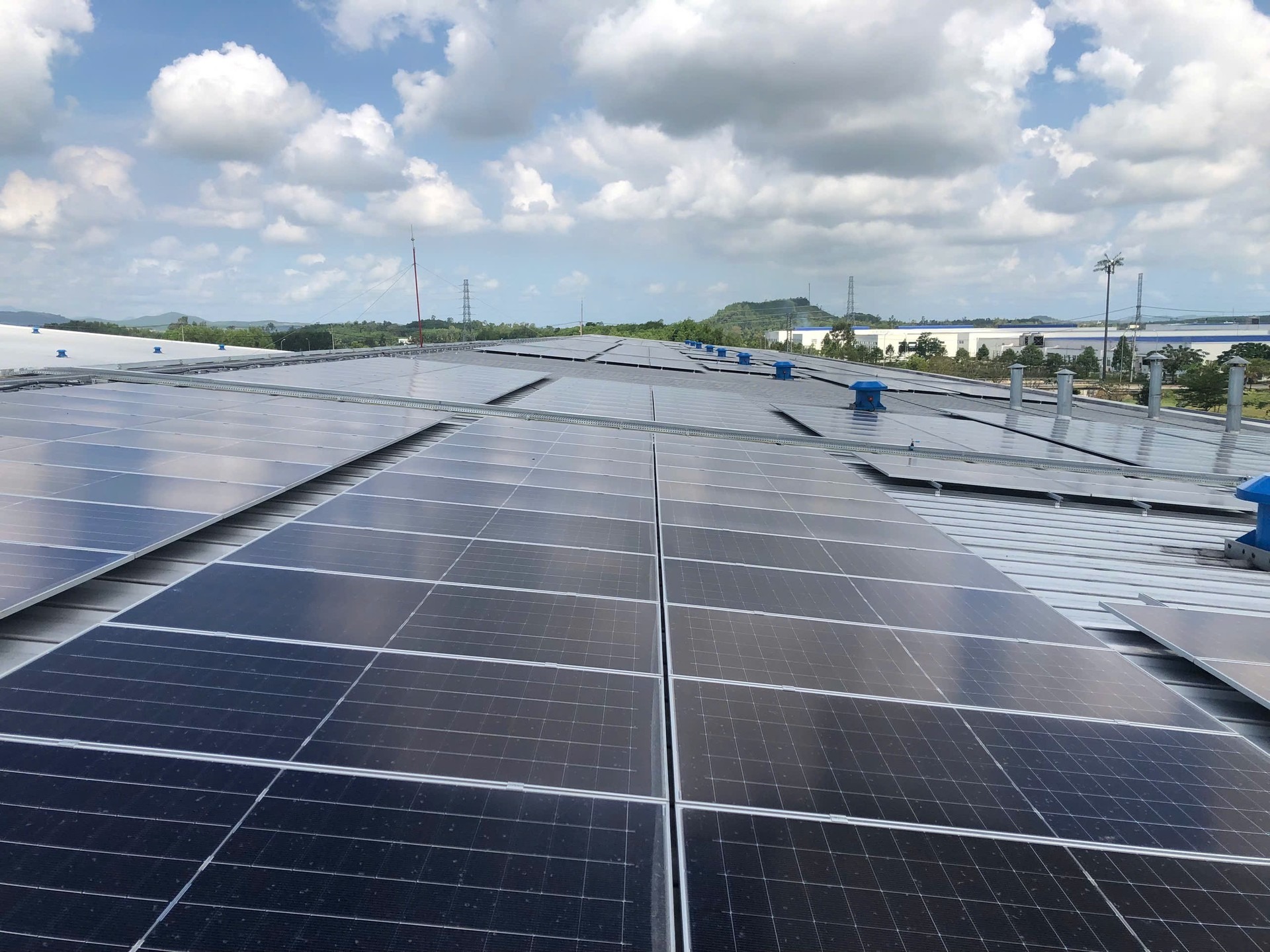
PNS Chun selected SolarBK to deploy a rooftop solar system at its facility in VSIP Quang Ngai Industrial Park.
The trend is also extending beyond the textile industry.
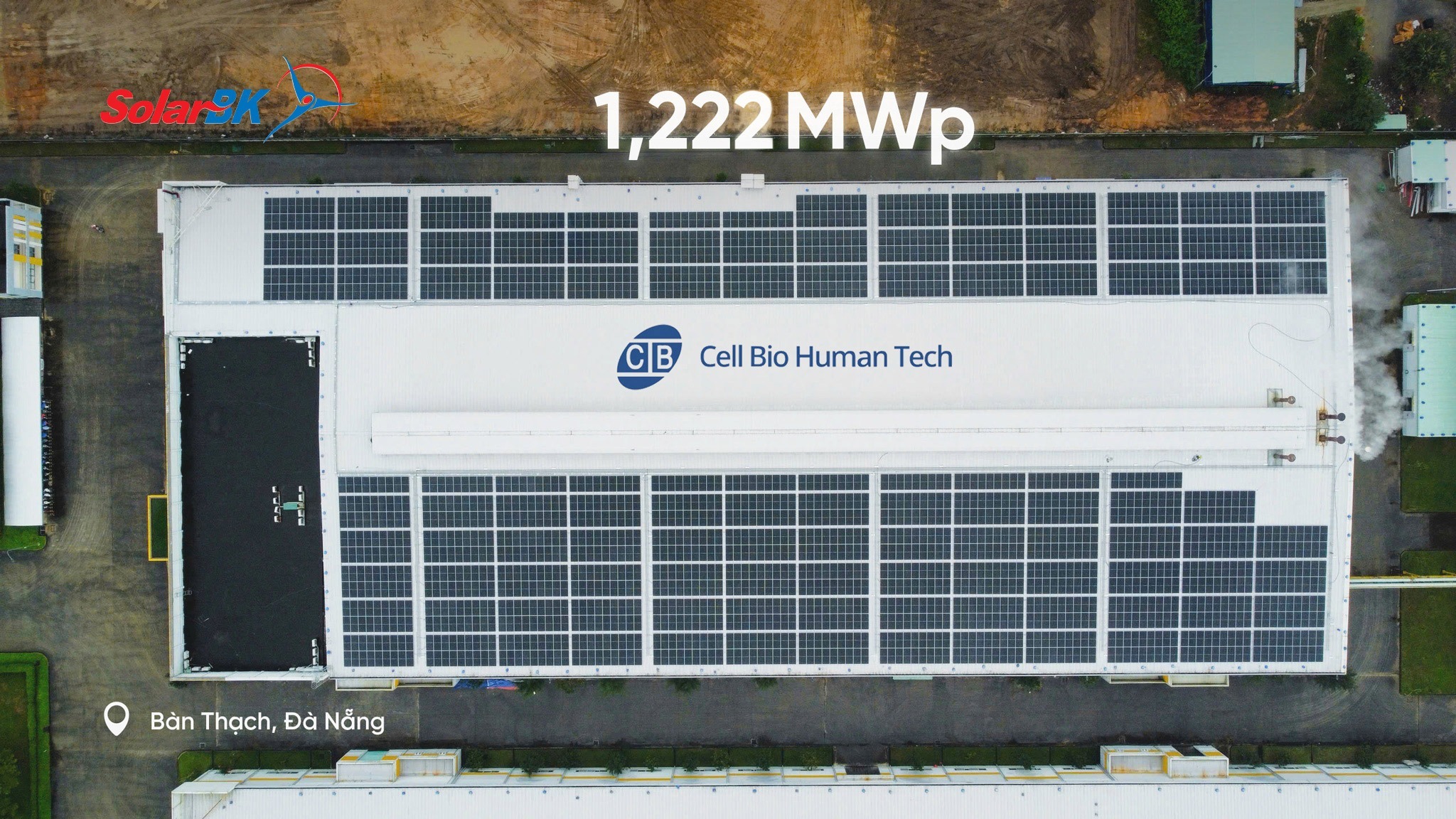
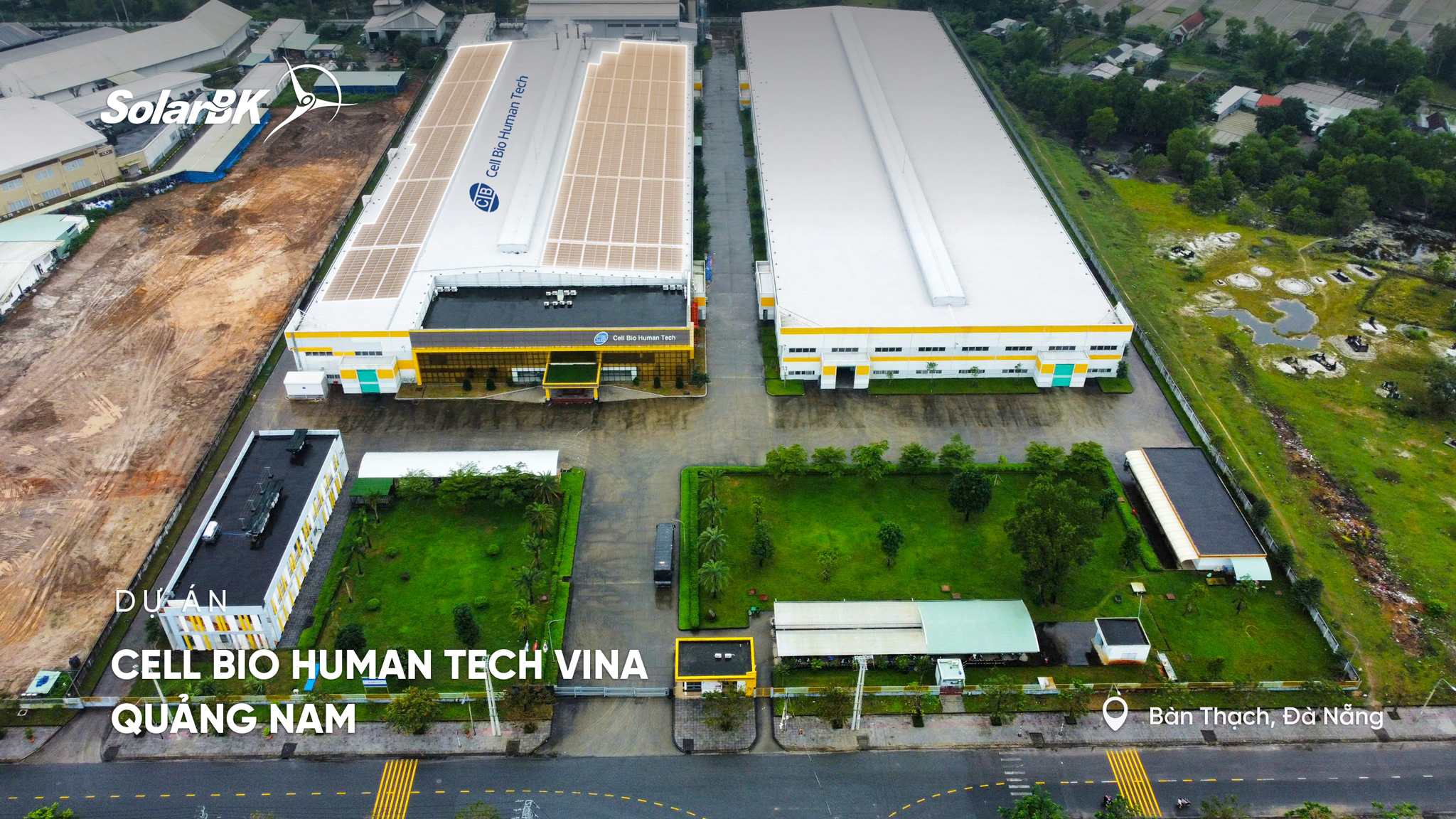
At Cell Bio Human Tech, a manufacturer of cellulose-based nonwoven materials for the cosmetics and personal care sectors, rooftop solar has been adopted as part of the company's strategy to improve energy efficiency, reduce emissions, and align with increasingly stringent ESG expectations across global supply chains.
Notably, the investment decision was made within a relatively short timeframe. Beyond technical and financial considerations, the reputation of the implementation partner played an important role. Successful projects such as Sedo Vinako helped establish the confidence needed for Cell Bio Human Tech to move forward with its renewable energy investment.
This reflects a common characteristic of the Korean business community: solutions that deliver measurable results are often shared and adopted through peer recommendations and real-world experience.
Supporting Korean Businesses on Their Green Transition Journey
From Sedo Vinako and PNS Chun to Cell Bio Human Tech, renewable energy is increasingly becoming part of the long-term growth strategy of Korean manufacturers in Vietnam.
At Cell Bio Human Tech, a manufacturer of cellulose-based nonwoven materials for the cosmetics and personal care sectors, rooftop solar has been adopted as part of the company's strategy to improve energy efficiency, reduce emissions
More importantly, behind each project lies more than installed capacity or clean electricity generation. It represents the growing importance of trust, proven performance, and sustainable competitiveness in today's manufacturing environment.
As green manufacturing becomes a key component of global competitiveness, energy transition is no longer a future ambition. It is a decision that an increasing number of forward-looking Korean businesses are making today.