Inheriting research & development background since 1975, SolarBK is proud to be a pioneer in laying the groundwork for clean energy industry in Vietnam and is now a leading company in this field.
To carry out the mission of applying clean energy into everyday life, we have researched and developed many solutions to make Solar power energy more diverse, convenient and cheaper.
Newsletter February 2026: Peak Demand, Carbon Markets and a New Phase of Power System Operations
Publish date 03/03/2026
Share
February 2026 offers a clearer picture of the operational state of Vietnam’s power system. While previous years focused primarily on expanding renewable energy capacity, developments this month highlight new priorities: supply reliability, disciplined infrastructure deployment, and the emergence of market mechanisms for emissions.
A sharp increase in peak demand, the growing role of energy storage, and the initial operationalization of the carbon market stand out as key developments. Evening Peak Demand and System Reliability
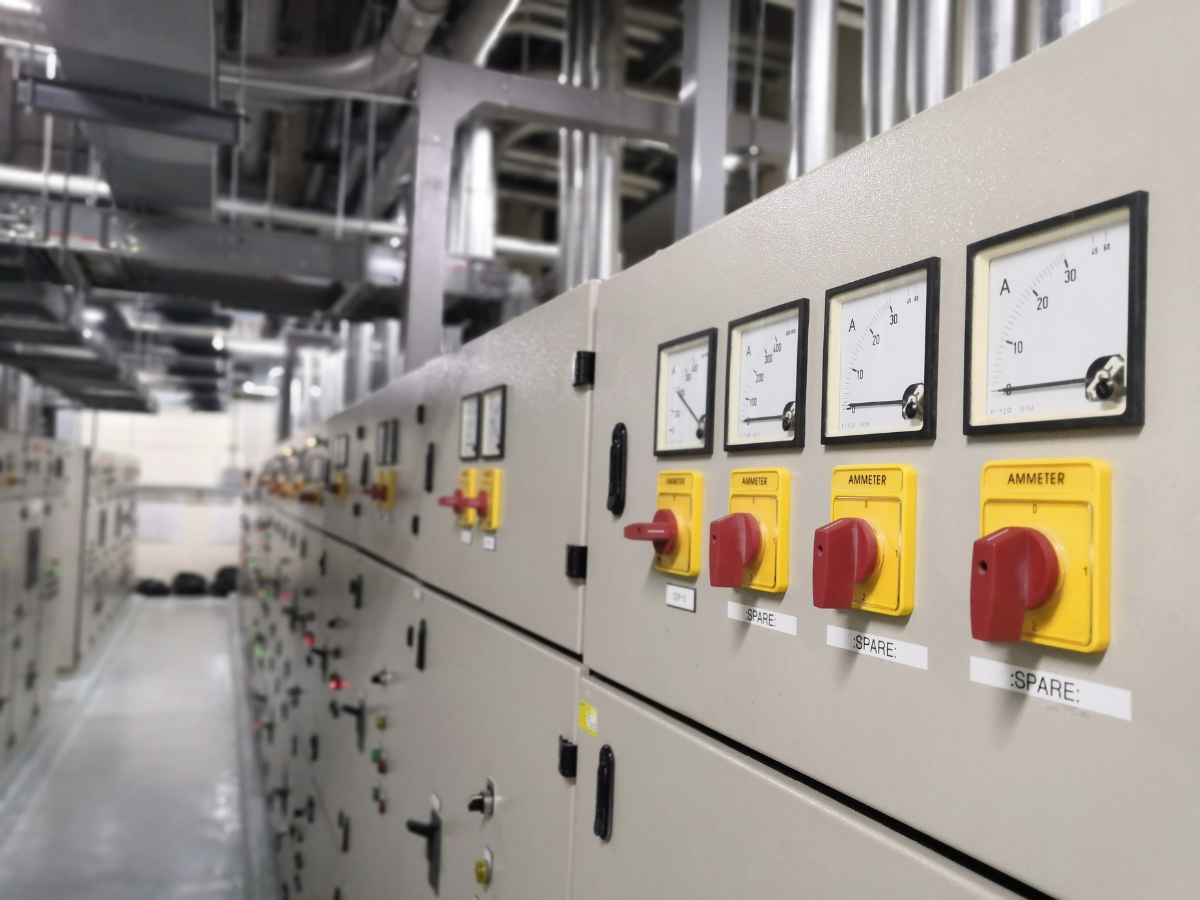
On February 5, 2026, Vietnam’s national power system recorded a daily peak demand of approximately 47,641 MW at 18:15. This peak occurred as electricity consumption rebounded after the Lunar New Year holiday, reflecting a pattern of demand increasingly concentrated in the evening hours.
Operational data from early in the month shows a clear difference between daytime and evening electricity demand.
Operational data from early February shows a clear contrast between daytime and nighttime demand. Solar power, both utility-scale and rooftop systems, plays a significant role in reducing load around midday, when system output is roughly 30 GW. However, during the evening peak, when system demand exceeds 35 GW, solar generation contributes little or no power. The system continues to rely mainly on coal-fired generation, hydropower, gas, and partial electricity imports to meet peak demand.
This reality underscores a growing requirement for the energy market: renewable energy can no longer be assessed solely by installed capacity, but by its ability to integrate into the grid and maintain supply reliability during peak hours. For industrial manufacturers, where power disruptions can directly affect supply chains, reliability is becoming a critical metric.
Policies to Ensure Peak Power Supply and Infrastructure Bottlenecks
In mid-February, regulators issued a directive outlining measures to ensure electricity supply during the peak demand period of 2026 and the 2027–2030 horizon. The directive focuses on accelerating power generation and grid projects, strengthening operational discipline, and enhancing coordination among stakeholders.
At the same time, working sessions between the national utility and local authorities have intensified to resolve land clearance challenges affecting transmission projects. This reflects a broader concern: electricity demand is projected to increase by more than 15% in 2026, driven by growth in semiconductor manufacturing, artificial intelligence infrastructure, and high-tech industries. In this context, transmission infrastructure is emerging as a key determinant of system stability.
From the consumer perspective, utilities have also warned that electricity bills in February may increase due to cold weather and high humidity, which drive higher usage of electrical appliances. Although seasonal, this highlights how demand patterns are becoming increasingly sensitive to both weather conditions and consumption behavior.
FIT Project Review and Market Discipline
Another notable development in February was the government’s request for local authorities to review and resolve pending renewable energy projects operating under the feed-in tariff (FIT) mechanism. Many of these projects have remained unresolved for years.
This process is expected not only to clarify the legal status of existing projects but also to restore market discipline and improve investor confidence in Vietnam’s renewable energy sector.
Carbon Markets Enter Operational Phase
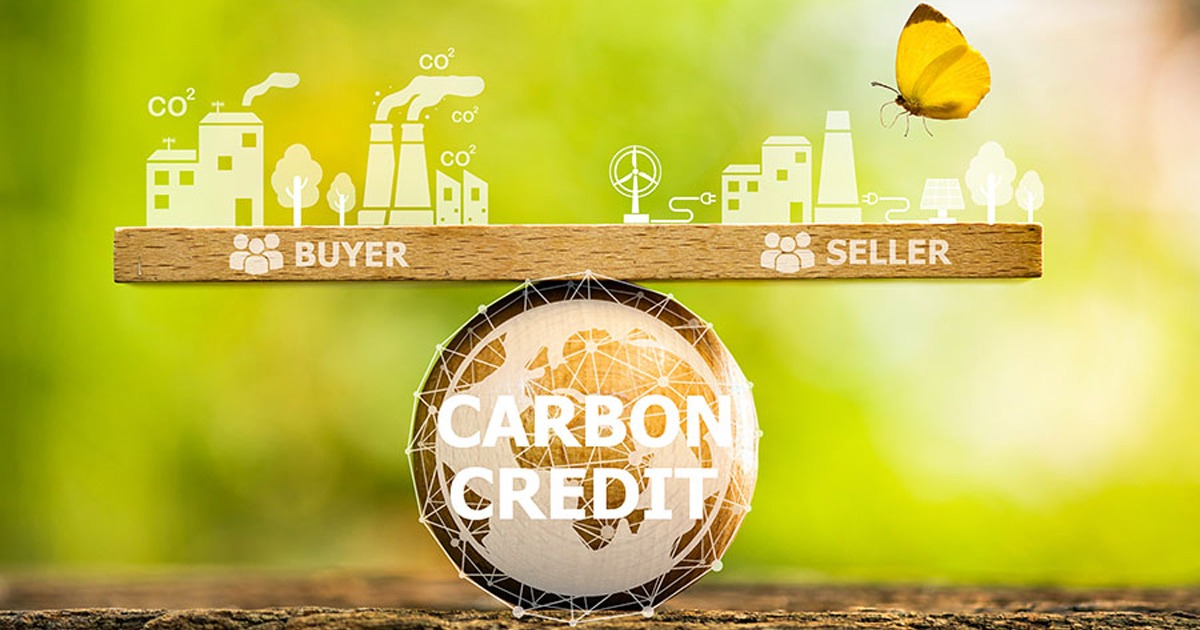
February also marked an important regulatory milestone with the issuance of operational rules for the national emissions quota and carbon credit registry system. The new framework establishes centralized management, registration, transfer, and offset mechanisms for emission allowances.
Carbon, once primarily a policy commitment discussed in international forums, is gradually becoming a quantifiable variable within the national regulatory and management system.
Carbon, previously discussed primarily as a policy commitment in international forums, is gradually becoming a quantifiable and tradable variable within the national regulatory system. As emissions become associated with compliance obligations or financial costs, demand for accurate and transparent energy data will increase significantly—particularly in export-oriented industries.
Green Industrial Parks and Integrated Energy Services
Another emerging trend is the integration of energy services within industrial parks. Partnerships between infrastructure developers to build **green energy ecosystems—combining rooftop solar, battery storage, electricity retail, and EV charging infrastructure, **reflect a shift from isolated installations toward comprehensive energy solutions.
In this context, clean energy is no longer merely an additional power source but a structural component of eco-industrial park infrastructure. Local governments setting targets for self-consumption rooftop solar capacity further indicate that renewable energy is becoming a factor in the competitiveness of industrial zones.
Vietnam’s acceptance as an Association Country of the International Energy Agency (IEA) in February also strengthens expectations of improved access to global energy data, policy frameworks, and operational best practices.
SolarBK: Closing 2025 with Execution Capability – Entering 2026 with Integrated Scale
Against this backdrop of system transition, SolarBK’s activities at the end of 2025 and the beginning of 2026 reflect a broader shift toward projects defined by operational performance.
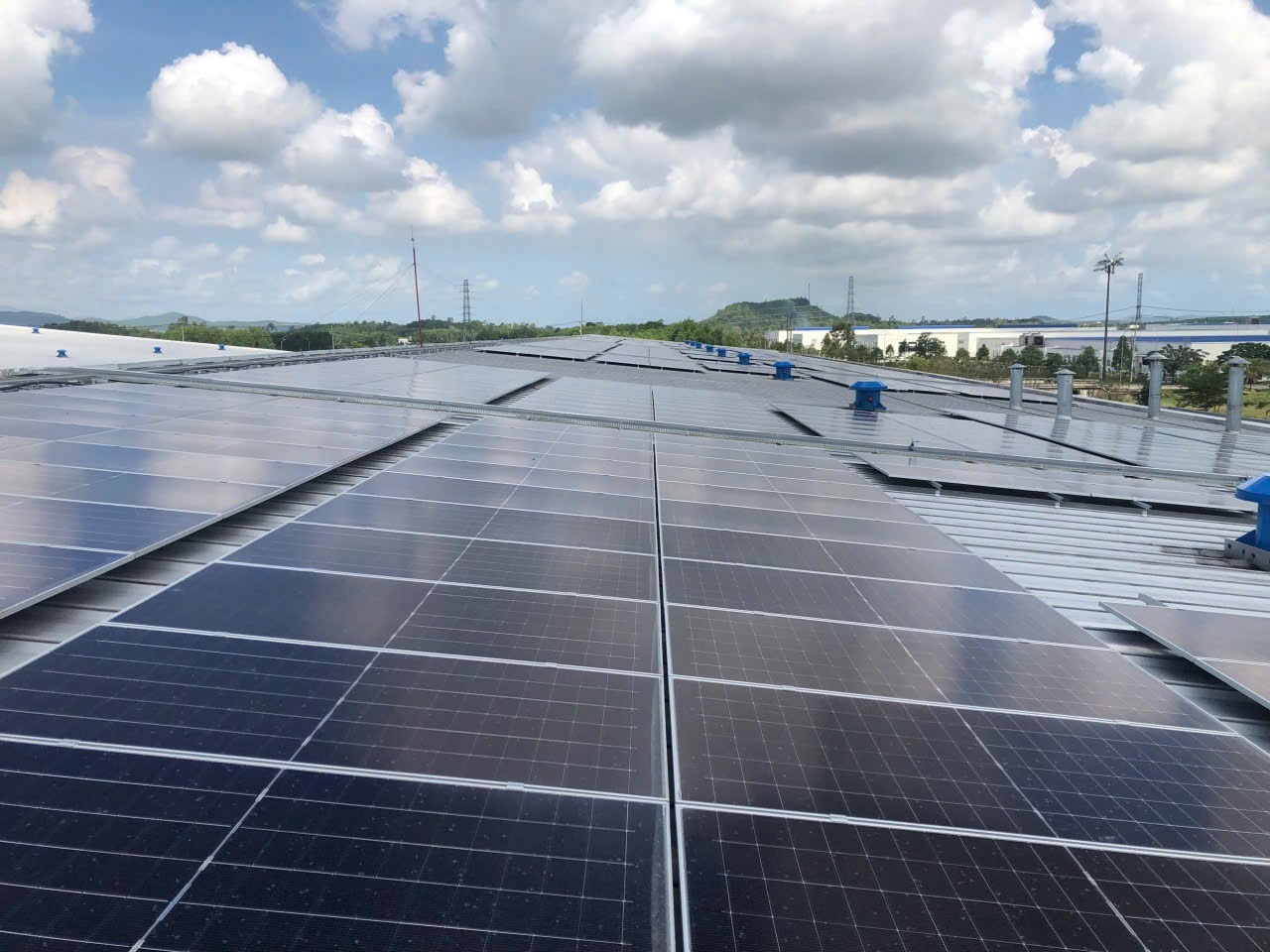
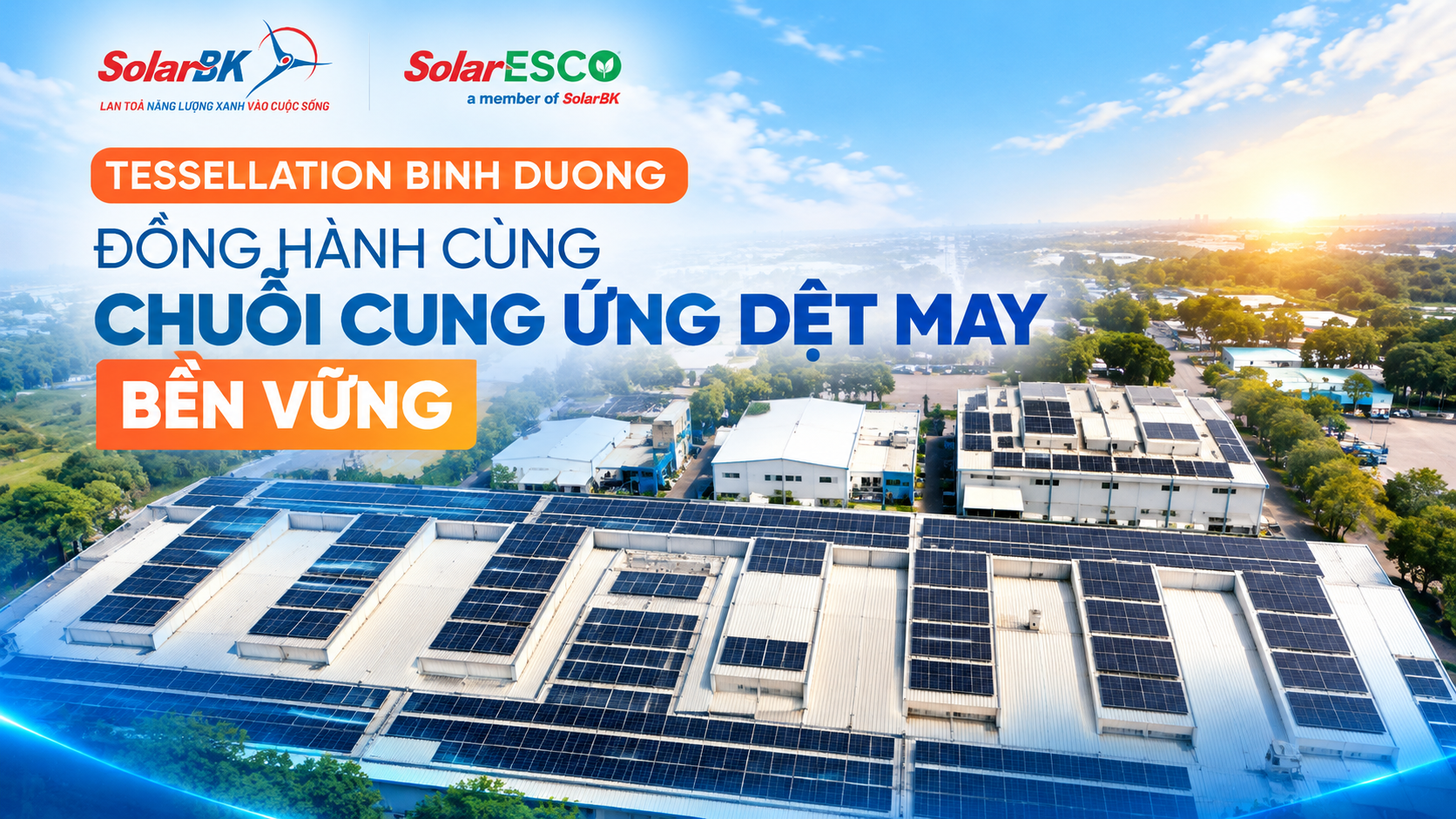
By the end of 2025, SolarBK had completed and commissioned multiple projects across Ho Chi Minh City, Quang Ngai, Quang Tri, Hue, and Binh Duong. The HDTC project in Ho Chi Minh City officially reached COD on December 31, 2025, while projects at PNS Chun (Quang Ngai), MDF Quang Tri, Mikado Hue, and Tessellation Binh Duong were implemented in large-scale manufacturing facilities.
By the end of 2025, SolarBK had simultaneously completed and commissioned multiple projects across Ho Chi Minh City, Quang Ngai, Quang Tri, Hue, and Binh Duong.
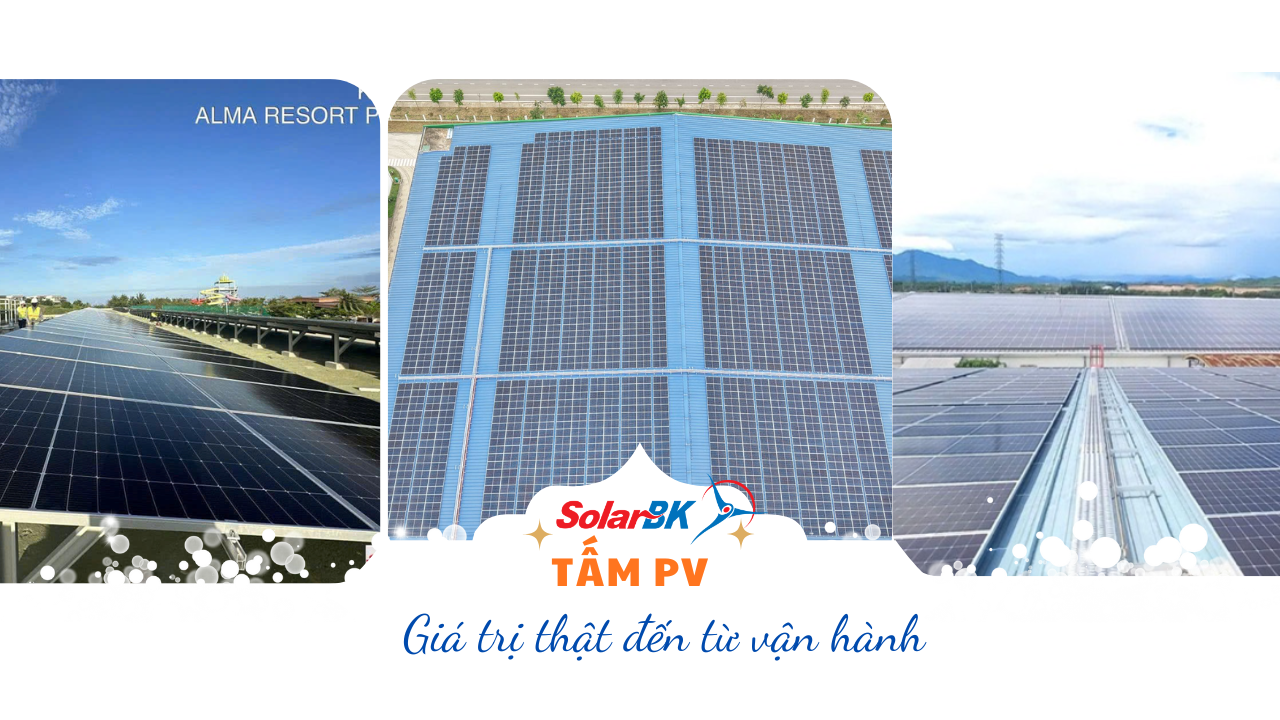
In 2025, SolarBK completed 205 MWp across 38 projects, spanning sectors including industrial manufacturing, textiles, building materials, and commercial services. Large projects such as the 30.72 MWp system at VinFast Hai Phong and 7.5 MWp at LEGO Binh Duong, which meets international green building standards, demonstrate how solar energy is becoming part of the long-term energy architecture of modern manufacturing complexes.
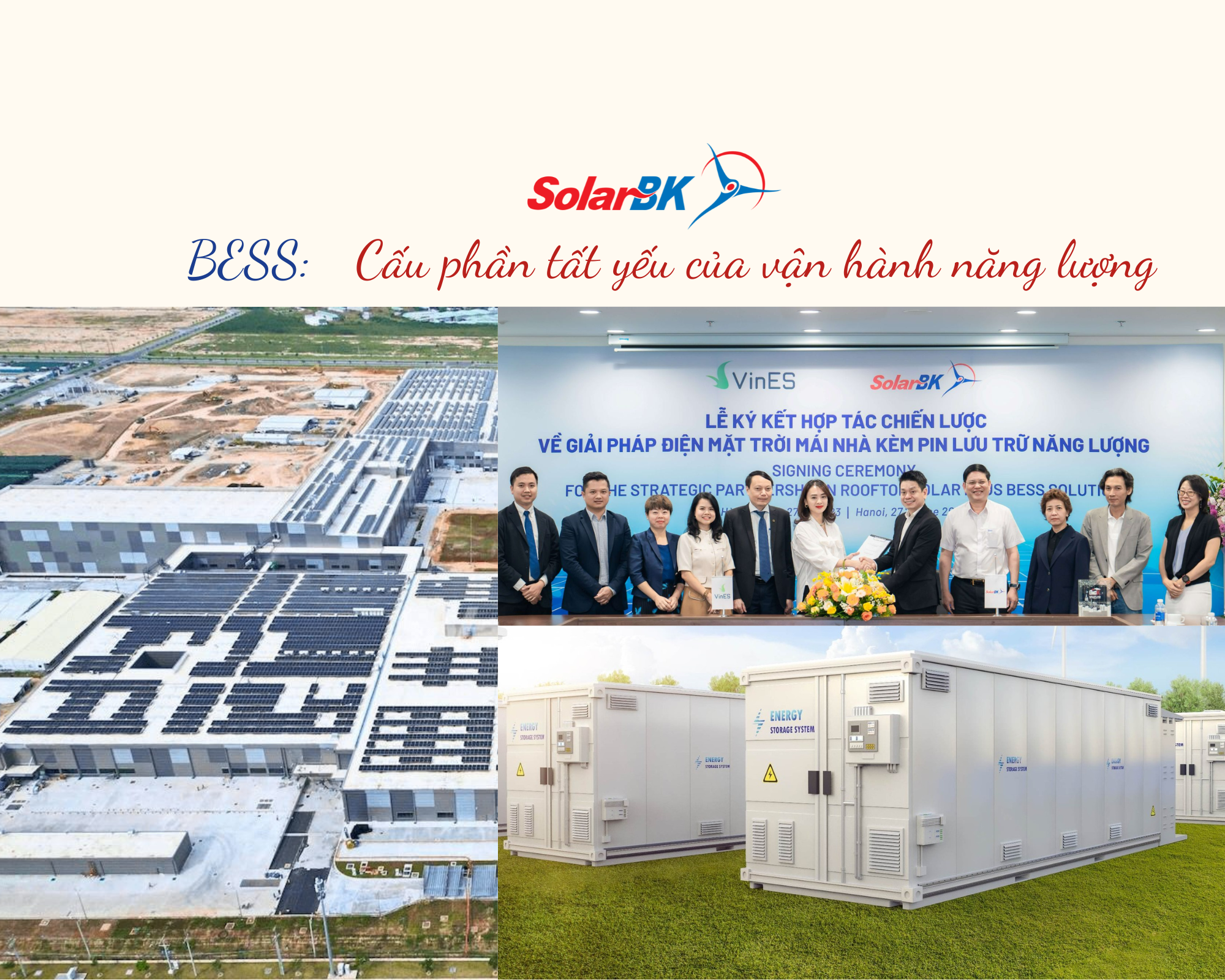
Entering 2026, SolarBK is deploying more than 90 MWp of solar power and 185 MWh of energy storage, while also participating in a large-scale solar-BESS integrated project. Beyond installed capacity, these projects highlight capabilities in technology integration, risk management, and maintaining stable 24/7 operations—requirements closely tied to global manufacturing supply chains.
This transition signals a shift in SolarBK’s role from EPC contractor toward an integrated energy infrastructure partner, where solar generation, storage systems, and operational data are connected within a unified energy management architecture.
Outlook for February 2026
Overall, February 2026 reflects three emerging trends:
• Rising evening peak demand requires greater system reliability • Energy storage is increasingly recognized as a system balancing component • Carbon markets are moving from policy direction toward operational mechanisms
Vietnam’s energy transition is therefore entering a phase defined less by installed capacity and more by operational capability, data transparency, and implementation discipline. As electricity demand continues to rise and decarbonization pressures intensify, the key question is no longer how much power is available, but how reliably and efficiently it can be delivered.