Inheriting research & development background since 1975, SolarBK is proud to be a pioneer in laying the groundwork for clean energy industry in Vietnam and is now a leading company in this field.
To carry out the mission of applying clean energy into everyday life, we have researched and developed many solutions to make Solar power energy more diverse, convenient and cheaper.
BESS for Shift 2–Shift 3 in Manufacturing: When Peak Shaving Becomes a Critical Need
Publish date 09/12/2025
Share
Across industrial zones in Ho Chi Minh City, Dong Nai, Binh Duong and Hai Phong, footwear factories and logistics centers are facing rising pressure on their electrical load profiles. Their operations, from full-factory lighting to motor-driven production lines, cold storage and automated logistics — create not only high consumption but also strong load fluctuations across working shifts.
Even without considering Time-of-Use (TOU) tariffs, repeated peak loads in Shift 2 and local load spikes in Shift 3 are already driving higher operational risks and electricity instability. This explains why BESS (Battery Energy Storage Systems) is drawing attention as a technical tool for peak shaving, voltage stabilization and operational reliability. Yet, BESS is never a “plug-and-play” solution, its effectiveness depends entirely on real load data.
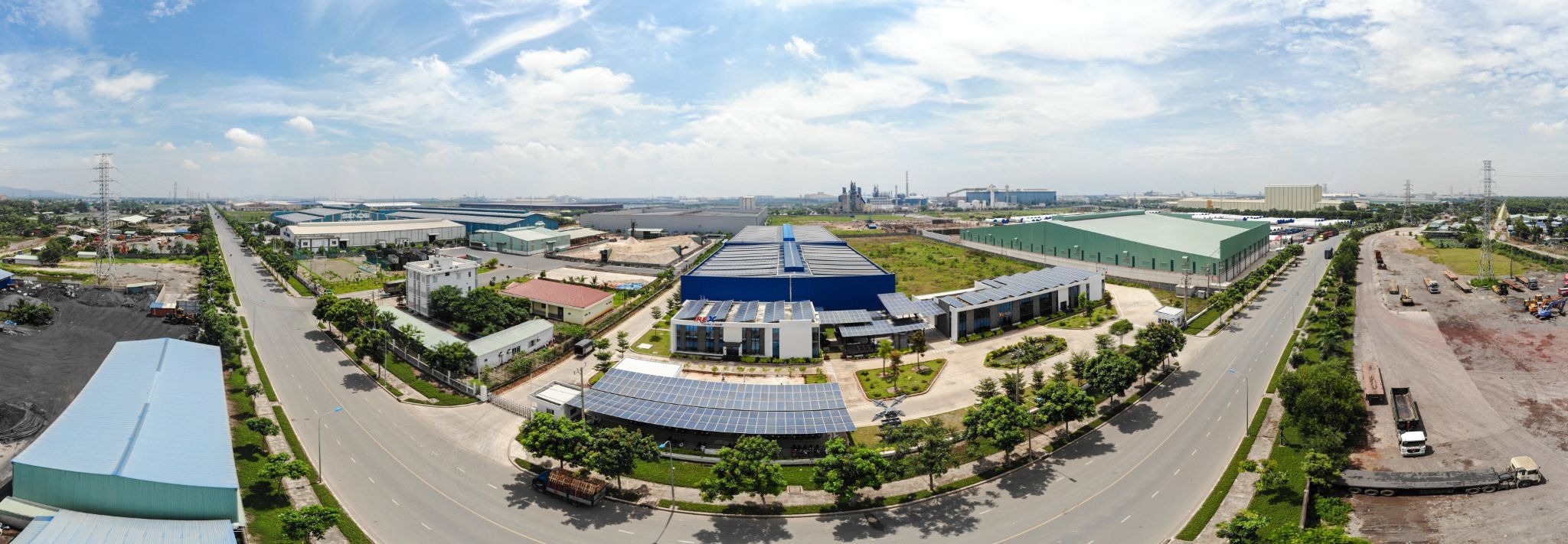
Across many industrial zones in Ho Chi Minh City, Dong Nai, Binh Duong, and Hai Phong, footwear factories and logistics centers are facing increasing load pressure. Illustrative image.
Why Shift 2 and Shift 3 become load hotspots?
Shift 2 (afternoon–evening): System-wide peaks During Shift 2, many factories simultaneously increase production intensity:
Lighting is fully on
Footwear lines run at peak capacity
Fans, presses and motors operate continuously
This creates recurring peak loads, voltage fluctuations and risks of local overload.
Shift 3 (night–early morning): Local spikes from cold storage & logistics
Cold-chain and logistics facilities run through the night. Compressors, conveyors and automated warehouse systems generate large inrush currents during startup — causing local voltage sags that affect sensitive loads. In both shifts, the issue is not the total electricity consumption, but the moment-to-moment stability of power demand. This is where BESS fills a critical technical gap.
Three BESS application scenarios, based on real load data
SolarBK has not yet announced a commercial BESS deployment, but the company owns 24h/30-day load datasets from hundreds of rooftop solar and ESCO projects. This foundation enables simulation-based engineering — similar to global energy developers.
1. Peak shaving for footwear factories (Shift 2–3)
Typical load curves in footwear or textile factories show stable daily peaks. BESS can:
Charge during low-load periods
Discharge during peak spikes
Flatten the factory’s load profile
Improve voltage stability for production lines
SolarBK’s long operational history allows highly accurate modeling rather than theoretical consulting.
2. Local peak suppression for logistics and cold storage
Cold storage loads are stable, but compressors generate large inrush currents. BESS acts as a fast-response buffer:
Supplying instantaneous power
Reducing voltage fluctuations
Preventing voltage sag that disrupts warehouse management systems, electronic scales and IoT devices
Years of rooftop/ESCO deployment at ICDs and cold warehouses provide SolarBK deep insights into seasonal and shift-based load cycles — essential for BESS design.
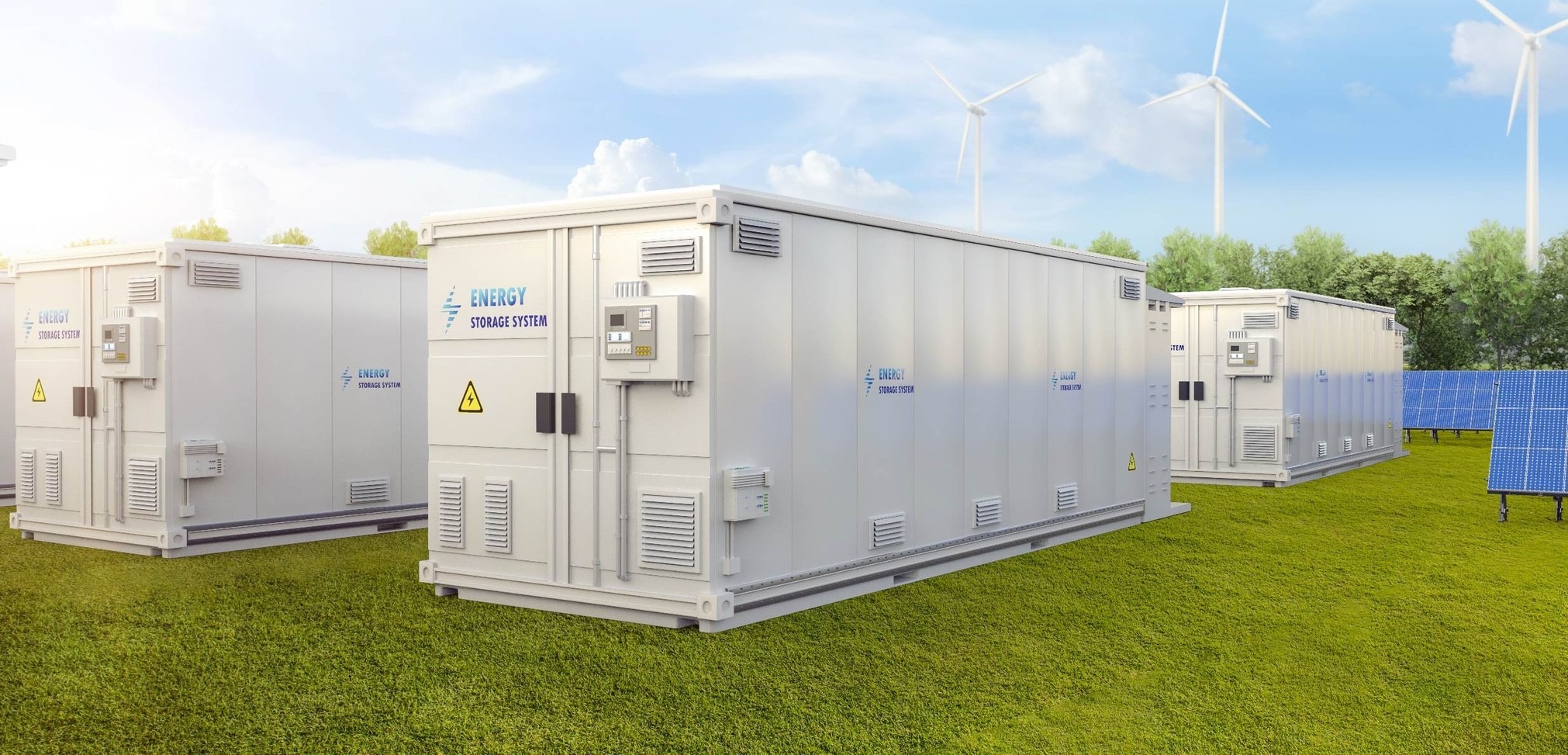
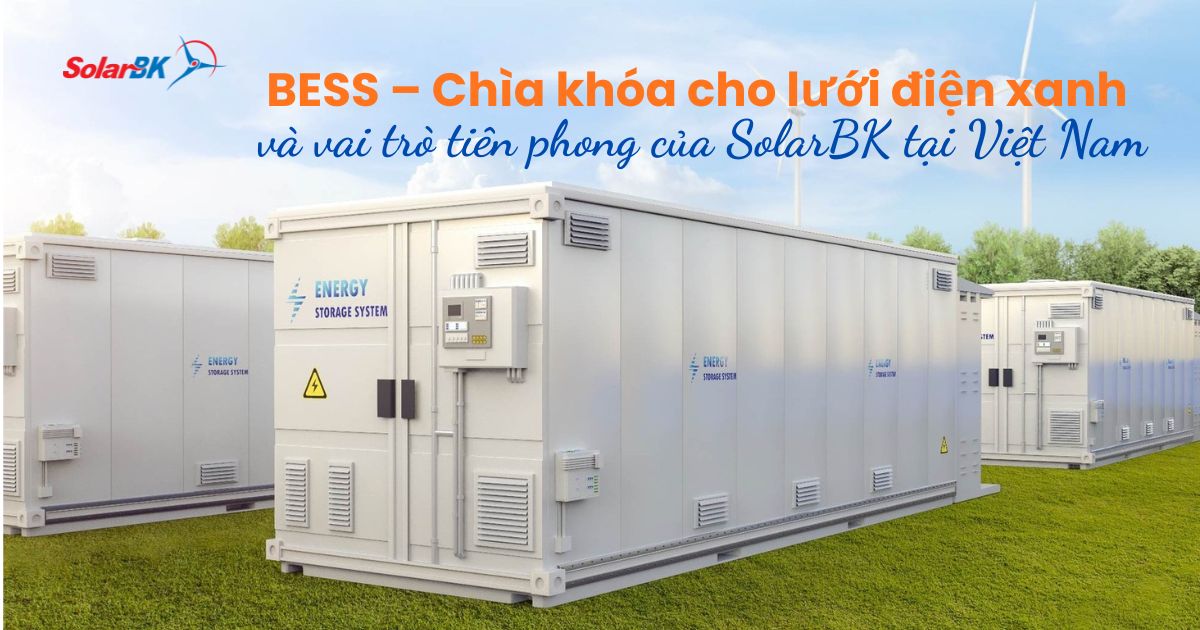
BESS (Battery Energy Storage System), a battery-based energy storage solution, is emerging as a key technical tool to shave peak demand, stabilize voltage, and reduce operational risks.
3. BESS as a safety buffer for sensitive production lines
Processes such as drying, pressing or quality inspection cannot tolerate sudden stops. BESS offers ultra-short backup by:
Maintaining voltage during grid disturbances
Protecting sensitive equipment
Reducing product defect risks
SolarBK’s experience with high-stability rooftop deployments (Vincom, power substations, etc.) forms a strong foundation for future C&I BESS systems.
BESS should never be deployed as a trend, but as a data-backed decision
A responsible BESS assessment requires:
24h/30-day load data collection
Identifying critical load areas
Simulating Grid–Rooftop–BESS interactions
Assessing voltage impact, peak shaving performance and operational risks
Only then evaluating economic benefits
With real-world datasets and deep technical experience, SolarBK acts as an analytical partner — not merely an equipment vendor.
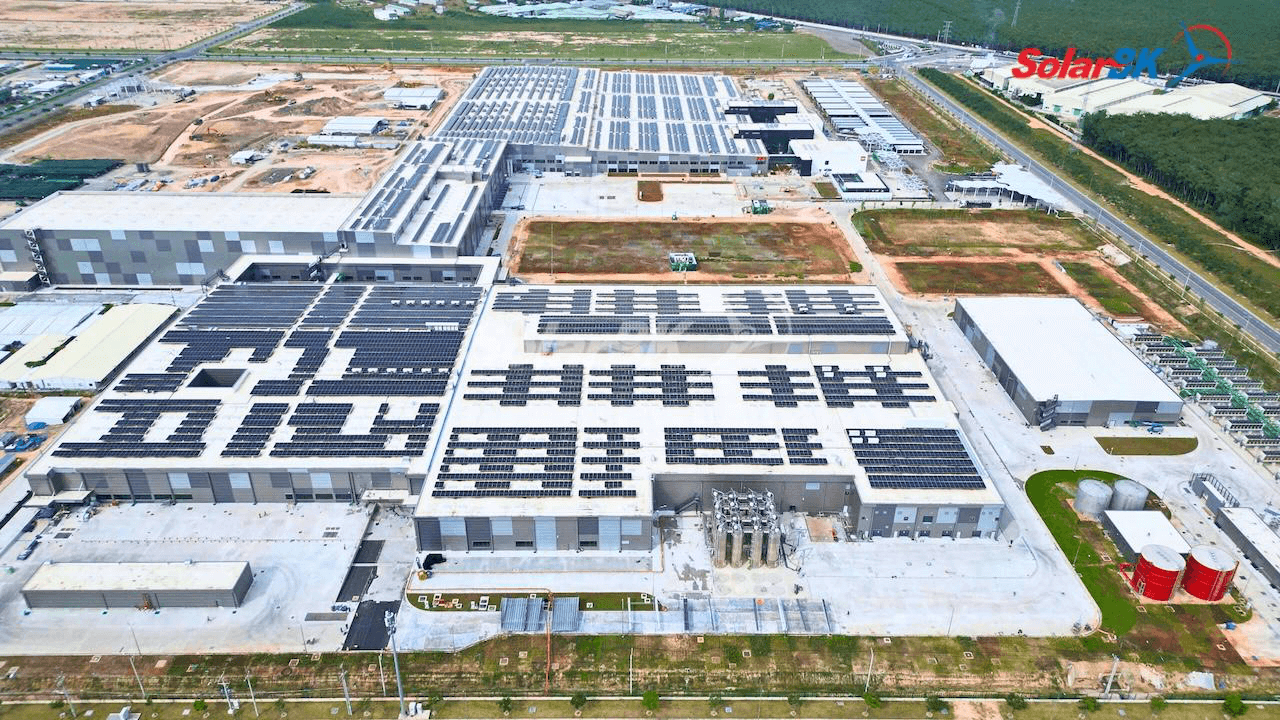
At its Binh Duong facility, LEGO has installed 12,400 rooftop solar panels integrated with a BESS system.
BESS is not for every factory, but essential for multi-shift operations
For footwear and logistics businesses, where load variability in Shift 2 and 3 is significant, BESS offers an engineering solution to stabilize voltage, reduce operational risks and align with ESG demands in the global supply chain.
Understanding your true load profile is not optional. It is the precondition for BESS to deliver real value.
Want to know if your factory is ready for BESS? SolarBK can analyze your load profile and simulate BESS performance before you invest. Contact our energy experts for a data-driven assessment.